The Photographer's Safari Framework
After 15+ years of shooting across Africa, I've developed a systematic approach to safari photography that maximizes quality and minimizes missed opportunities. This framework has helped me capture award-winning images and teach hundreds of photographers to elevate their work.
- 1. Location Intelligence: Strategic selection of reserves based on seasonal patterns, wildlife density, and photographic potential.
- 2. Light Mastery: Predicting and utilizing optimal lighting conditions for maximum visual impact.
- 3. Behavioral Anticipation: Reading animal behavior to position for decisive moments before they happen.
- 4. Technical Precision: Mastering camera settings and equipment for challenging safari conditions.
Photographic Potential Matrix: Top Safari Destinations
Based on extensive field testing, here's my data-driven analysis of Africa's premier wildlife photography destinations:
Serengeti National Park, Tanzania
Photographic Score: 9.2/10
Photographic Strengths
Technical Considerations
- Optimal Lens: 400-600mm for migration action
- Best Season: June-July (north) or Oct-Nov (south) for river crossings
- Pro Tip: Position vehicle at 45-degree angle to the sun for dramatic side lighting
Masai Mara National Reserve, Kenya
Photographic Score: 9.0/10
Photographic Strengths
Technical Considerations
- Optimal Lens: 300-500mm for versatile coverage
- Best Season: July-September for peak migration action
- Pro Tip: Use a polarizing filter to enhance the blue skies against acacia canopies
Technical Mastery for Safari Photography
Camera Settings Cheat Sheet
Golden Hour Settings
- ISO: 100-400
- Aperture: f/5.6-f/8
- Shutter Speed: 1/500s+
- White Balance: 5500K (daylight)
Action Photography
- ISO: 400-1600
- Aperture: f/5.6-f/7.1
- Shutter Speed: 1/1000s+
- Focus Mode: AI Servo/Continuous
Low Light Conditions
- ISO: 800-3200
- Aperture: f/2.8-f/5.6
- Shutter Speed: 1/250s+
- Noise Reduction: Enable
Composition Masterclass: Beyond the Rule of Thirds
The Golden Triangle
Create dynamic tension by placing key elements at the intersection points of imaginary triangles within your frame.
Application: Position a lion at one point, its prey at another, and the setting sun at the third.
Negative Space Utilization
Use vast African landscapes to create dramatic isolation of your subject, emphasizing scale and environment.
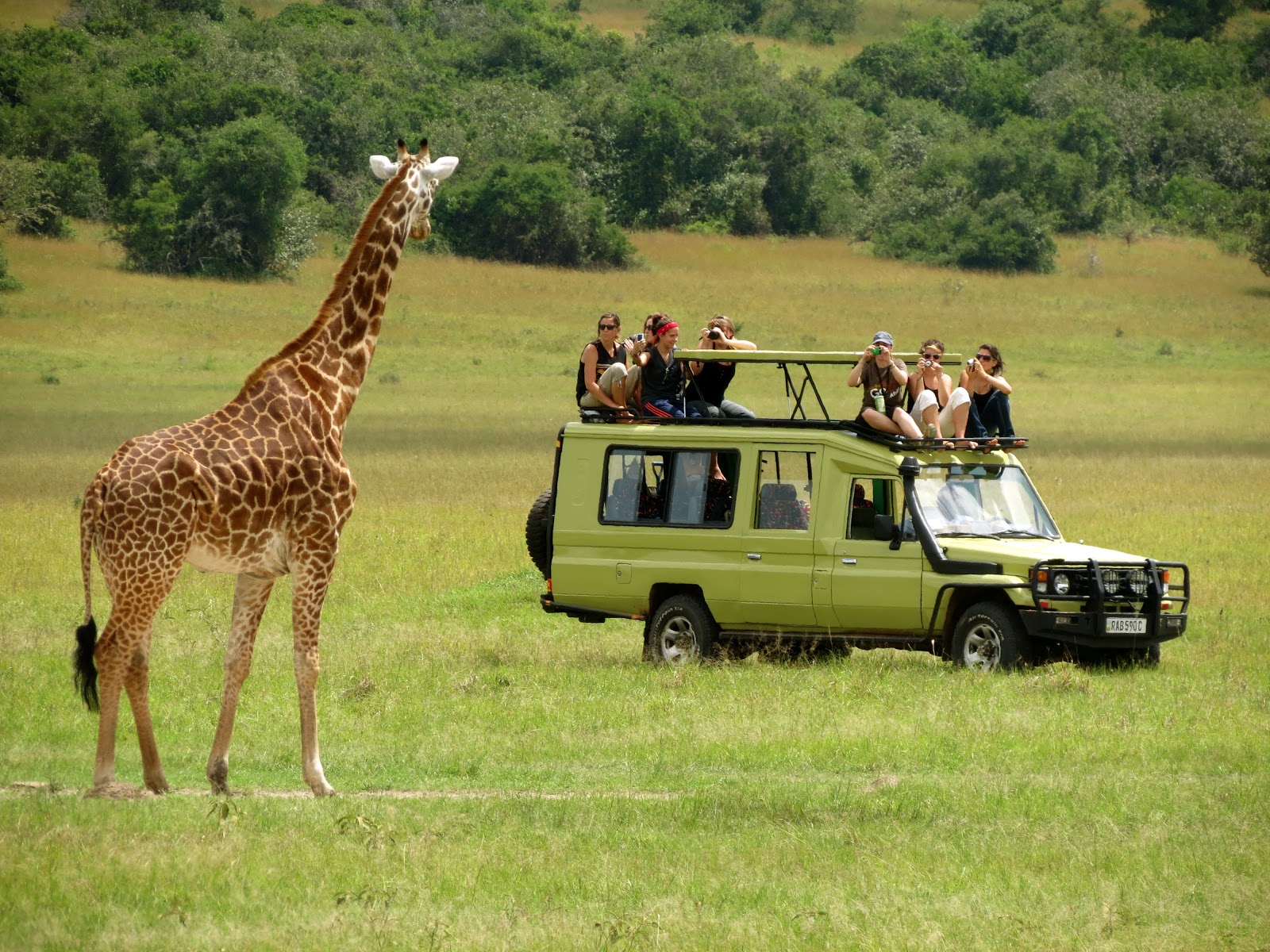
Application: Place a single giraffe against the endless Serengeti plains at dawn.
Leading Lines
Use natural elements like rivers, game trails, or acacia branches to draw the viewer's eye to your subject.
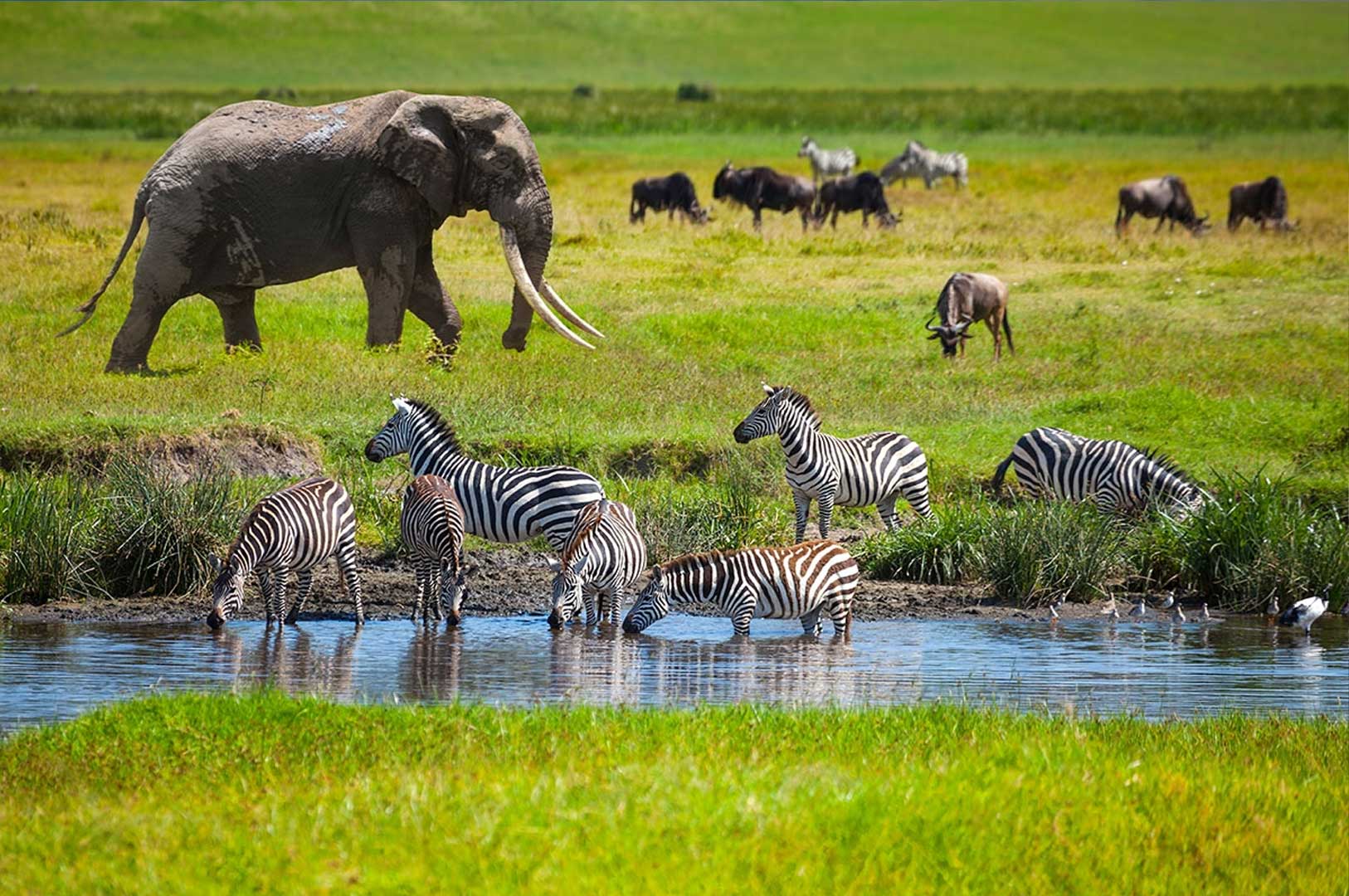
Application: Compose a herd of elephants walking along a dried riverbed towards the camera.
Gear Optimization: The Photographer's Kit
Essential Gear
- Primary Camera: Full-frame with fast autofocus (e.g., Canon R5, Sony A7R IV)
- Telephoto Lens: 400mm f/2.8 or 150-600mm zoom
- Versatile Zoom: 24-70mm f/2.8 for landscapes and close-ups
- Monopod: Lightweight and sturdy for stability
Smart Extras
- Memory Cards: 4-6x 128GB UHS-II cards
- Batteries: 4-5 spares (cold drains power faster)
- Filters: Circular polarizer and neutral density
- Storage: Portable SSD for backup
Ethical Wildlife Photography: The Responsible Approach
Distance & Respect
Maintain minimum distances of 20m for large predators and 10m for herbivores. Never approach animals on foot unless with a professional guide.
Light Discipline
Never use flash at night or during golden hours. Flash can blind animals temporarily and disrupt natural behaviors.
Habitat Protection
Stay on designated roads and trails. Avoid disturbing vegetation or natural features in pursuit of the perfect shot.
Photographer's Safari FAQ
Q: What's the single most important piece of gear for safari photography?
A: A high-quality telephoto lens (400mm+). While camera bodies matter, the ability to get close optically is far more critical than megapixels. I've seen stunning images from older camera bodies paired with excellent glass.
Q: How do you handle the dust on safari?
A: Dust is inevitable. I use weather-sealed equipment, keep lenses capped when not in use, and use a blower brush daily. I avoid changing lenses in open vehicles and always carry microfiber cloths and lens cleaning fluid. A good quality camera bag with dust protection is essential.
Q: What's the biggest mistake new photographers make on safari?
A: Chasing quantity over quality. They move from one sighting to the next without taking the time to truly work a subject. The best images often come from spending 30+ minutes with a single animal, observing behavior and waiting for the perfect light and moment.
Q: How do you balance photography with enjoying the experience?
A: I set aside specific times each day to shoot without interruption, and other times to simply observe without the camera to my eye. This balance prevents burnout and allows me to appreciate the experience beyond just capturing images.
Conclusion: The Art of Safari Photography
Africa offers a unique canvas for wildlife photography that combines technical challenge with unparalleled beauty. The key to success lies not just in having the right equipment, but in developing a deep understanding of the environment, animal behavior, and the art of composition.
Remember that the best safari photography tells a story. It captures not just the physical beauty of an animal, but its behavior, its environment, and its place in the ecosystem. Each click of the shutter is an opportunity to create something meaningful and contribute to conservation through visual storytelling.
For photographers willing to invest the time, patience, and dedication, an African safari remains the ultimate photographic adventure. The images you create will serve as lasting reminders of the continent's incredible biodiversity and the urgent need to protect it for future generations.