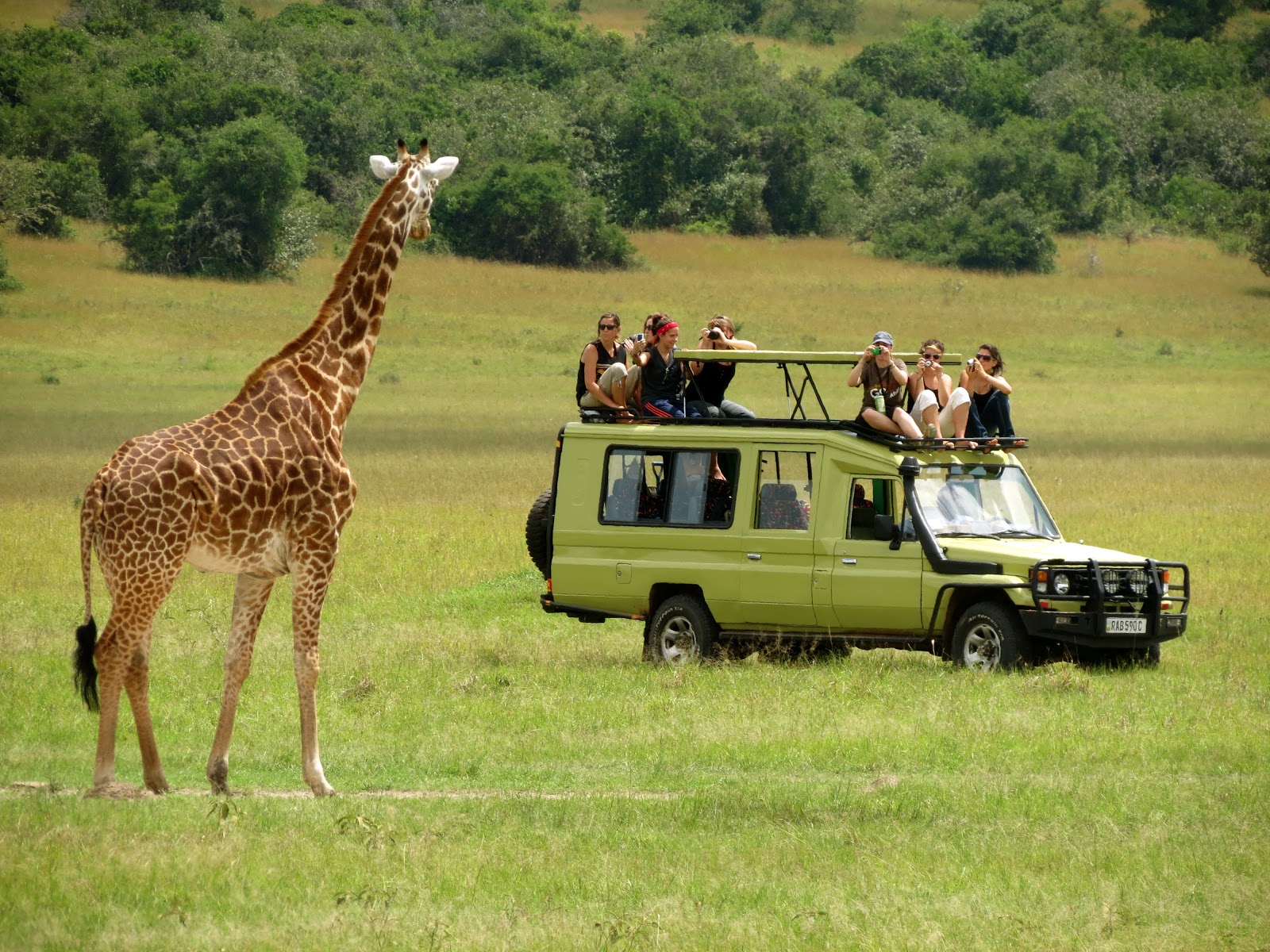
My First Morning Game Drive in the Serengeti
At 5:30 a.m., our guide stopped the engine and whispered, "Lions." Ten meters away, a pride lay hidden in the tall grass, their golden coats blending perfectly with the savanna. I fumbled with my camera, my hands shaking with excitement and a hint of nervousness. This was my first safari in the Serengeti, and I had no idea what to expect beyond the images I'd seen in documentaries.
As the sun rose over the horizon, painting the sky in shades of pink and orange, a lioness stood up, stretched, and began to move toward a herd of wildebeest grazing nearby. Time seemed to stand still as we watched the predator stalk her prey, the only sound being the click of our cameras and the distant calls of birds.
Over the years, I've returned to the Serengeti three times, each visit offering a completely different experience. This guide is based on those personal experiences, conversations with local guides, and lessons learned the hard way.
Best Time to Visit
The best time to visit the Serengeti depends on what you want to see, but I have some personal recommendations:
- Calving Season (January to March): The southern plains are teeming with wildebeest calves, attracting predators. Many people think this is the busiest time, but I've found it's actually more manageable than the peak migration months.
- Migration Season (April to May): The wildebeest begin their annual migration, crossing the Grumeti River. I made the mistake of visiting too early in April one year and missed the main crossing by just a week.
- Dry Season (June to October): Animals gather around water sources, making wildlife viewing easier. I personally recommend June-July because the weather is cooler and the migration is usually in full swing.
- Wet Season (November to December): The landscape is lush and green, with fewer crowds. This is actually my second favorite time to visit – the Serengeti transforms into a different world, and you'll have many areas almost to yourself.
Many people mistakenly believe the dry season is the only good time to visit, but I've had incredible experiences during the wet season too. The key is managing your expectations and being flexible with your plans.
Types of Safaris
There are several types of safaris available in the Serengeti, each with its pros and cons based on my experience:
- Game Drives: The most common type of safari, where you travel in a 4x4 vehicle to view wildlife. This is the best option for most first-time visitors and what I recommend starting with.
- Hot Air Balloon Safaris: A unique way to view the Serengeti from above. While breathtaking, I'll be honest – this isn't for everyone. I've seen people get quite motion sick, and it's significantly more expensive than a regular game drive.
- Walking Safaris: Guided walks through the bush, offering a more intimate wildlife experience. I did this on my second trip and it completely changed how I experience the Serengeti – you notice so much more on foot.
- Mobile Safaris: Camping safaris that move with the migration. I tried this once and loved the adventure, but be prepared for basic facilities and early mornings.
- Luxury Safaris: High-end accommodations with personalized service. While I usually prefer more budget-friendly options, I splurged on a luxury lodge for my last night and it was worth every penny – waking up to elephants at the waterhole outside my room was unforgettable.
I regret not trying a walking safari on my first trip – I was too nervous about the risk, but it turned out to be the most rewarding experience.
Wildlife in the Serengeti
The Serengeti is home to a diverse range of wildlife, and each visit has brought unexpected encounters:
- Mammals: Lions, leopards, elephants, rhinoceroses, buffaloes, giraffes, zebras, wildebeest, and many more. On my first trip, I spent hours searching for leopards without success – they're incredibly elusive. On my third trip, I was lucky enough to see a mother leopard with her cubs.
- Birds: Over 500 species of birds, including eagles, vultures, and flamingos. I regret not bringing a better bird guide on my first trip – I missed identifying many unique species.
- Reptiles: Crocodiles, snakes, and lizards. During the migration crossings, the crocodiles are particularly active – it's both thrilling and sobering to watch.
Accommodation Options
There are several accommodation options in the Serengeti, including:
- Luxury Lodges: High-end accommodations with all amenities. Perfect for a special occasion, but be prepared for the price tag.
- Tented Camps: Permanent or mobile camps that offer a more authentic safari experience. I've stayed in both, and while mobile camps are more basic, they put you right in the heart of the action.
- Public Campsites: Budget-friendly options where you bring your own equipment. I tried this once and it was an adventure, but I wouldn't recommend it for first-time visitors – the facilities are very basic and you need to be self-sufficient.
What to Expect
A typical safari experience in the Serengeti includes:
- Early morning game drives (when animals are most active)
- Late afternoon game drives
- Sightseeing and wildlife photography
- Lectures by guides and naturalists
- Enjoying the stunning sunsets and starry skies
Essential Gear
When going on a safari in the Serengeti, it's essential to pack the right gear, including:
- Neutral-colored clothing (to blend in with the environment)
- Comfortable walking shoes
- Hat and sunscreen
- Binoculars and camera with telephoto lens
- Insect repellent
- Water bottle and snacks
For a comprehensive packing list that covers everything you'll need for your safari adventure, check out my ultimate packing list to make sure you don't forget anything important.
Safari Etiquette
When on a safari, it's important to follow proper etiquette, including:
- Stay in your vehicle (unless on a guided walking safari)
- Keep a safe distance from wildlife
- Don't feed the animals
- Be quiet and respectful
- Don't litter
Who Should Not Visit the Serengeti
While the Serengeti is a remarkable destination, it's not for everyone:
- Young Children: The long game drives (often 3-4 hours at a time) can be challenging for young kids. I've seen families struggle with bored children who couldn't sit still.
- People Prone to Motion Sickness: The dirt roads can be extremely bumpy, especially during the wet season. I've experienced motion sickness myself on some of the more rugged routes.
- Those with Severe Back or Knee Problems: The uneven terrain and getting in and out of safari vehicles can be difficult for people with mobility issues.
- Travelers on a Very Tight Budget: While there are budget options, the Serengeti is generally an expensive destination. You'll need to factor in park fees, guide costs, accommodation, and transportation. If you're looking for budget travel tips, my guide on traveling on a shoestring budget might help you plan more affordable adventures.
- People Expecting Constant Action: Safari is as much about patience as it is about excitement. There will be long stretches where you don't see much, followed by moments of incredible wildlife encounters.
Lessons Learned the Hard Way
My time in the Serengeti has taught me several valuable lessons:
- Don't Overpack on Camera Gear: I brought three lenses on my first trip and only used one consistently. A good zoom lens is essential, but don't weigh yourself down. If you're planning to capture stunning wildlife photos, check out my travel photography tips for more advice on getting the perfect shot.
- Listen to Your Guide: On my second trip, I ignored my guide's advice about staying in the vehicle and nearly got too close to a herd of elephants. It was a scary reminder of who's really in charge in the wild.
- Be Flexible: Wildlife doesn't follow a schedule. I've spent entire days waiting for a specific sighting only to be rewarded with something completely unexpected.
- Respect the Animals: This should go without saying, but I've seen tourists do some reckless things in pursuit of the perfect photo. Remember that we're visitors in their home.
Planning Your Safari
Planning a safari to the Serengeti requires careful preparation. Beyond the gear and timing, you'll need to consider:
- Travel Insurance: Safari adventures can be expensive, and having the right travel insurance policy can protect your investment in case of unexpected cancellations or emergencies.
- Health Precautions: Make sure you're up to date on vaccinations and take malaria prophylaxis as recommended by your doctor. My guide on essential travel health tips covers important health considerations for international travel.
- Flight Planning: Getting to Tanzania can be part of the adventure. My tips on saving money on flights might help you find affordable airfare to start your safari journey.
Conclusion
My first morning game drive in the Serengeti remains one of the most vivid memories of my travel life. There's something profound about witnessing nature's raw power and beauty in such an unfiltered way.
Over the years, I've learned that the Serengeti isn't just about the big game sightings – it's about the quiet moments too: the way the light changes over the savanna at dusk, the sound of the wind through the grass, and the sense of being a small part of something much larger.
Whether you're a first-time safari-goer or a seasoned traveler, the Serengeti has a way of surprising you. Just remember to go with an open mind, be patient, and respect the incredible ecosystem you're privileged to visit.
Author Bio
Emma Johnson has visited the Serengeti three times over the past decade, experiencing everything from budget camping safaris to luxury lodge stays. She's also explored other African safari destinations including the Masai Mara in Kenya and the Okavango Delta in Botswana. Emma writes about safari experiences to help travelers prepare properly and set realistic expectations, drawing from her own mistakes and successes in the African wilderness. Her favorite safari memory remains that first morning game drive, watching the lions hunt as the sun rose over the Serengeti.