About Kyoto
Let me start with a confession: I'm obsessed with Kyoto. I first visited as a graduate student studying Japanese art history, and I've been coming back every year since. There's something magical about this city—where ancient temples stand alongside traditional machiya townhouses, and the pace of life feels both timeless and modern.
Kyoto served as Japan's capital for over 1,000 years, from 794 to 1868, and today it's home to over 1,600 Buddhist temples and 400 Shinto shrines. It's a city where you can walk through bamboo groves in the morning, visit a 1,000-year-old temple in the afternoon, and enjoy a traditional kaiseki meal in the evening.
What I love most about Kyoto is its ability to balance preservation with innovation. While it's deeply rooted in tradition, it's also a vibrant modern city with excellent restaurants, shops, and cultural events.
Cherry Blossoms in Kyoto
Cherry blossom season, or hanami, is without a doubt the most popular time to visit Kyoto. The city's parks, temples, and streets are transformed by the delicate pink blooms, creating a magical atmosphere that's truly unforgettable.
One of my most memorable cherry blossom experiences was early one morning at Philosopher's Path. I arrived before sunrise, and as the first light hit the blossoms, the entire canal was bathed in a soft pink glow. There was barely anyone else there, and for a few moments, it felt like the city belonged just to me.
Best Cherry Blossom Viewing Spots
- Philosopher's Path (Tetsugaku-no-Michi): A 2-kilometer canal lined with cherry trees, perfect for a peaceful stroll.
- Maruyama Park: Home to a giant cherry tree that's over 100 years old, with evening illuminations during peak season.
- Arashiyama Bamboo Grove: While famous for its bamboo, it also has beautiful cherry blossoms in spring.
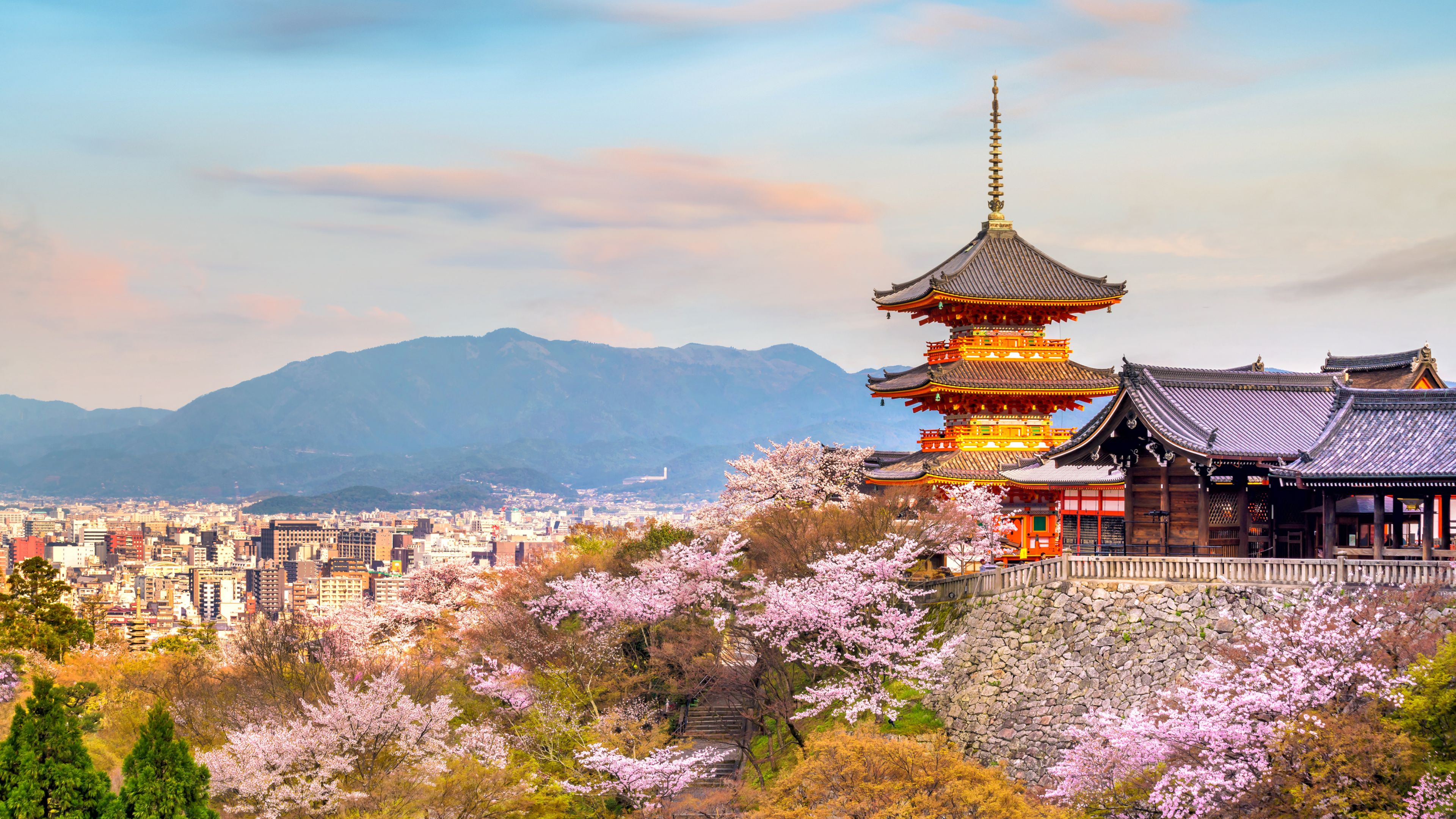
- Kiyomizu-dera Temple: The wooden terrace offers stunning views of cherry blossoms in the valley below.
- Heian Shrine: The wide grounds are dotted with cherry trees, and the wooden gate provides a beautiful frame for photos.
For more detailed information about cherry blossom season in Japan, you can check out my guide on cherry blossom guide.
Traditional Temples in Kyoto
Kyoto's temples are some of the most beautiful and historically significant in Japan. Each one has its own unique character and story to tell. Here are my personal favorites:
Kinkaku-ji (Golden Pavilion)
Covered in gold leaf, this Zen temple is one of Kyoto's most iconic landmarks. I've visited it in all seasons, but it's especially stunning in spring when cherry blossoms frame the golden exterior.
Best time to visit: Early morning to avoid crowds, or late afternoon for golden hour light.
My tip: Don't miss the reflection of the pavilion in the pond—it's just as beautiful as the building itself.
Kiyomizu-dera
Famous for its wooden terrace that juts out over the hillside, Kiyomizu-dera offers breathtaking views of the city. I love visiting in the early morning when the mist is still hanging over the valley.
Best time to visit: Early morning or late afternoon to avoid crowds and for better light.
My tip: Try the spring water at the Otowa-no-taki fountain—it's said to bring good luck.
Fushimi Inari Taisha
Home to thousands of vermilion torii gates, Fushimi Inari is a must-visit for any first-time visitor to Kyoto. I recommend hiking up to the summit for panoramic views of the city.
Best time to visit: Very early morning (before 7am) to avoid the crowds.
My tip: Most tourists only go up to the first few gates—hike further up for a more peaceful experience.
Arashiyama Bamboo Grove
While technically not a temple, the Arashiyama Bamboo Grove is one of Kyoto's most popular attractions. The towering bamboo stalks create a surreal, almost magical atmosphere.
Best time to visit: Early morning (before 8am) to avoid crowds.
My tip: After visiting the bamboo grove, explore the nearby Tenryu-ji Temple and the Arashiyama Monkey Park.
Best Time to Visit Kyoto
Choosing the right time to visit Kyoto can make a huge difference in your experience. Here's my guide to the best seasons:
Spring (March-April): Cherry blossom season is the most popular time to visit, but also the most crowded and expensive. The blossoms typically peak in late March to early April, but this can vary by a week or two depending on weather.
Summer (June-August): Hot and humid, with occasional typhoons. However, it's a great time to see hydrangeas in bloom (June-July) and participate in traditional summer festivals.
Autumn (October-November): Fall foliage season is nearly as popular as cherry blossom season, with vibrant red and orange leaves. The weather is mild, and crowds are smaller than in spring.
Winter (December-February): Cold but relatively dry, with fewer tourists. Many temples and shrines have special winter illuminations, and it's a great time to experience traditional winter festivals.
Essential Items for Your Kyoto Trip
Packing appropriately for Kyoto depends on the season, but here are some essentials I always bring:
Year-Round Essentials
- Comfortable walking shoes: You'll be doing a lot of walking on uneven surfaces.
- Portable umbrella: Kyoto can have sudden rain showers, especially in spring and summer.
- Reusable water bottle: Drinking water is safe from the tap, and there are many water fountains around the city.
- Portable Wi-Fi device: While some places have free Wi-Fi, having your own device ensures you're always connected.
- Respectful clothing: For temples and shrines, avoid overly revealing clothing.
Spring (March-April)
- Layers: Mornings and evenings can be cool, while afternoons can be warm.
- Rain jacket: April is one of the rainiest months.
- Camera: You'll want to capture the cherry blossoms!
Summer (June-August)
- Lightweight, breathable clothing: It gets very hot and humid.
- Hat and sunscreen: Protection from the strong summer sun.
- Fans or handheld misters: Helpful for staying cool.
Autumn (October-November)
- Layers: Similar to spring, with cool mornings and evenings.
- Camera: For the beautiful fall foliage.
Winter (December-February)
- Warm clothing: Coats, scarves, gloves, and warm shoes.
- Layers: Important for staying warm while exploring.
Travel Tips for Kyoto
Based on my many visits to Kyoto, here are some tips to help you make the most of your trip:
Getting Around
- Use public transportation: Kyoto has an excellent bus system that covers most major attractions. Consider buying a one-day bus pass for ¥700.
- Walk when possible: Many of Kyoto's attractions are within walking distance of each other, especially in the downtown area.
- Bike rentals: Kyoto is very bike-friendly, with many rental shops around the city.
Cultural Etiquette
- Remove shoes: When entering temples, shrines, and traditional restaurants.
- Bow appropriately: A slight bow is sufficient for most situations.
- Be quiet: Speak softly in temples and shrines.
- Don't touch: Avoid touching temple artifacts and statues.
Saving Time
- Visit early: Many attractions open at 9am—arrive when they open to avoid crowds.
- Buy tickets in advance: For popular attractions like Kiyomizu-dera and Fushimi Inari.
- Plan your route: Group attractions by neighborhood to minimize travel time.
Budget Tips for Kyoto
Kyoto can be expensive, especially during peak seasons, but there are ways to save money:
- Visit during shoulder seasons: May-June and September-October offer good weather with fewer crowds and lower prices.
- Stay in a ryokan (traditional Japanese inn) on a weekday: Weekday rates are often significantly lower than weekend rates.
- Eat at local restaurants: Look for small, family-run restaurants rather than tourist-focused establishments.
- Take advantage of free attractions: Many temples and shrines have free admission, or free entry during certain times.
- Buy a Kyoto City Bus Pass: Unlimited bus rides for one day at a discounted rate.
My Unforgettable Kyoto Experience
After visiting Kyoto more than 20 times, I have countless memories, but one stands out above all others. It was during cherry blossom season, and I had woken up early to visit Philosopher's Path before the crowds arrived.
As I walked along the canal, the cherry blossoms were in full bloom, and the morning light was just starting to filter through the trees. I came across an elderly Japanese man sitting on a bench, painting the scene in front of him. He motioned for me to sit down, and we spent the next hour watching the sun rise over the cherry blossoms, sharing snacks (he had brought rice balls), and communicating with a mix of broken English and Japanese.
It was a moment of pure connection—two people from different cultures, brought together by the beauty of Kyoto in spring. He didn't speak much English, but through gestures and a few words, he shared stories about growing up in Kyoto and watching the cherry blossoms every year.
That day reminded me that travel is not just about seeing sights—it's about connecting with people and having authentic experiences. It's why I keep coming back to Kyoto, and why I'm passionate about sharing this city with others.
Questions I Get Asked Most About Kyoto
These are the questions I get asked most often by people planning their first trip to Kyoto. I've tried to answer them honestly, based on my own experiences.
How many days should I spend in Kyoto?
I recommend at least 3-4 full days to see the main attractions, but ideally a week to fully explore and experience the city's hidden gems. Kyoto is best enjoyed at a slower pace—there's no need to rush from one attraction to the next.
Is it easy to get around Kyoto without knowing Japanese?
Yes, you can get by with basic English in tourist areas. Many signs are in both Japanese and English, and transportation staff can often help with basic questions. However, learning a few basic Japanese phrases is always appreciated and can enhance your experience.
What's the best way to experience cherry blossoms in Kyoto?
Wake up early to visit popular spots before the crowds, and consider joining a hanami (cherry blossom viewing) party in one of Kyoto's parks. Many local companies offer guided hanami tours that include traditional food and drinks.
Are there any cultural customs I should be aware of?
Yes, some important customs include removing your shoes when entering temples and traditional establishments, bowing when greeting people, and not tipping (it's not customary in Japan). Also, be respectful when taking photos, especially at religious sites.
About the Author
Dr. Sophia Chen is a Japanese culture expert and travel writer with over 15 years of experience studying and visiting Japan. She has a PhD in Japanese art history from Columbia University and has published several books on Japanese cultural traditions.
After living in Tokyo for 5 years, Sophia now splits her time between New York and Kyoto, where she conducts research and leads cultural tours. She has visited all 47 prefectures of Japan and has a deep understanding of Japanese customs and traditions.
Sophia is passionate about sharing her love of Japan with others and helping travelers have authentic, meaningful experiences. She believes that the best way to understand a culture is through its people, food, and traditions.
Update Information
This guide was last updated in February 2026 based on Sophia's most recent visit to Kyoto.
Temple hours, admission fees, and cherry blossom timing can change, so please verify information before planning your trip.