Let me start with a confession: I've spent more than half my life chasing wildlife across Africa. My first safari was at age 16, when my parents took me to the Kruger National Park. I was hooked from the moment I saw my first lion in the wild—lying lazily under a tree, completely unaware of our presence.
Since then, I've led over 50 safari tours across 12 African countries, logging more than 10,000 hours in game vehicles. I've witnessed the Great Migration in the Serengeti, tracked leopards in the Okavango Delta, and watched elephants bathe in the Chobe River.
Africa's safari parks offer some of the world's most spectacular wildlife viewing opportunities, from the Big Five to countless bird species. But not all parks are created equal—some offer better wildlife concentrations, while others provide more intimate experiences.
If you're looking for more adventure travel ideas, check out my 15 thrilling adventure activities guide, which includes some safari-related experiences.
The Best Safari Parks for Wildlife Encounters (My Top Picks)
After visiting over 50 safari parks across Africa, these four stand out as the absolute best for wildlife viewing. Each offers something unique, from the drama of the Great Migration to the intimacy of tracking leopards in the delta.
Serengeti National Park, Tanzania: Where the Wild Things Roam
I've been to the Serengeti more than 20 times, and it never fails to take my breath away. The Great Migration is, without a doubt, one of the most spectacular natural events on Earth.
One of my most memorable experiences was watching a pride of lions take down a wildebeest during the migration. It was raw, brutal, and completely awe-inspiring. I've never felt more connected to nature than in that moment.
Best time to visit: June to July for the river crossings, December to March for the calving season
My tip: Stay in a mobile tented camp during the migration—they move with the animals, giving you front-row seats to the action.
Hidden gem: The western corridor, especially during the dry season, offers excellent wildlife viewing with fewer crowds.
Kruger National Park, South Africa: My First Love
This is where it all began for me. My first safari was in the Kruger, and I still have vivid memories of that first lion sighting.
What I love most about the Kruger is its diversity. You can go from open grasslands to dense bushveld in a matter of hours, each habitat supporting different wildlife.
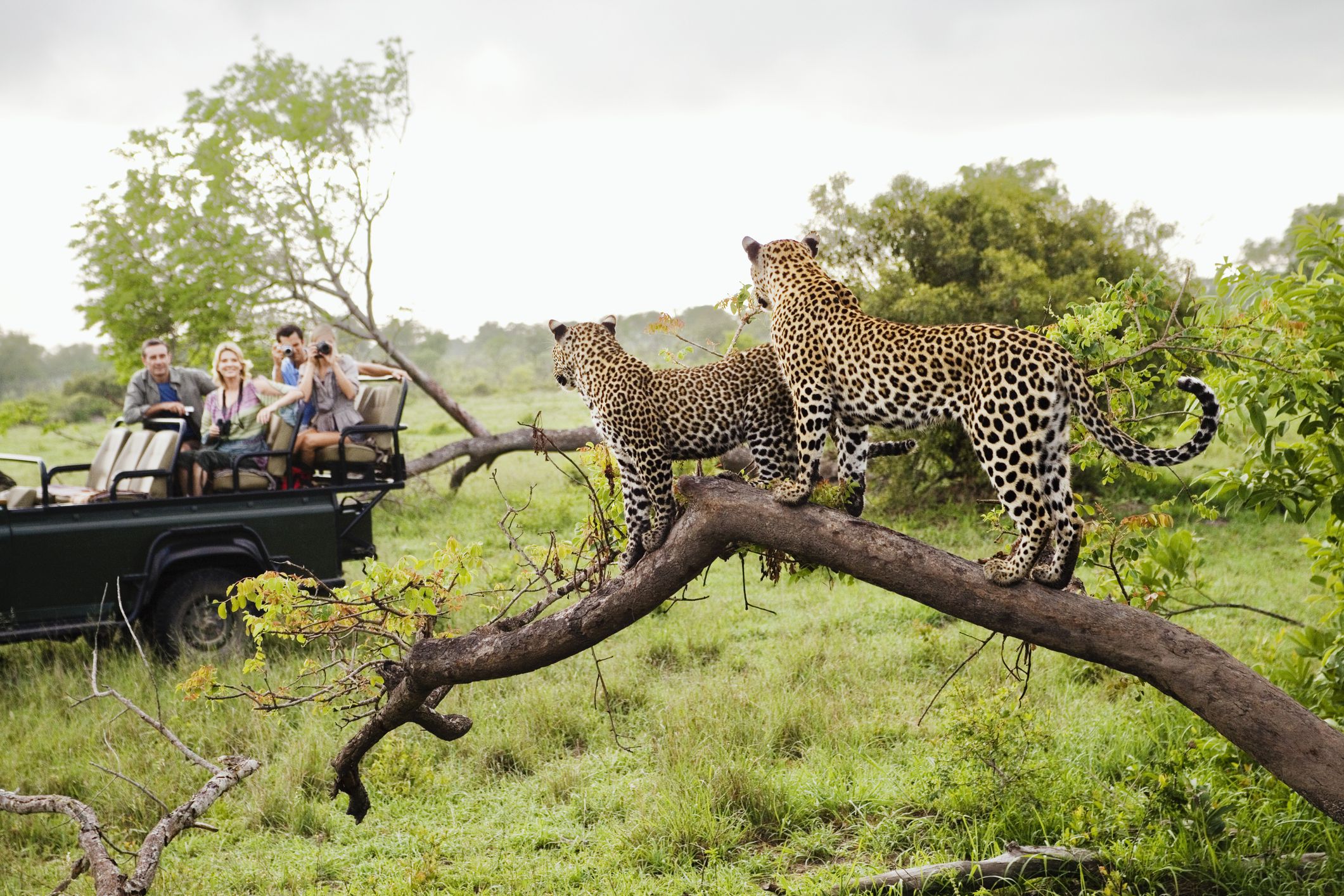
One time, I spent three days tracking a leopard named Legadema. I finally found her high up in a marula tree, with a fresh impala kill. It was worth every minute of the wait.
Best time to visit: May to September for dry weather and good wildlife concentrations
My tip: Stay in a private concession outside the main park—they offer guided walks and night drives, which are not allowed in the main park.
Hidden gem: The northern part of the park, around Punda Maria, is less crowded and offers excellent bird watching.
Maasai Mara, Kenya: Where Lions Rule
The Maasai Mara is famous for its large lion population, and it's easy to see why. I've never seen so many lions in one place.
One of my favorite memories is watching a coalition of three male lions patrol their territory. They were massive, with beautiful black manes, and they moved with such grace and power.
The Mara is also where you can see the Great Migration from the Kenyan side. The river crossings here are often more dramatic than in the Serengeti, as the Mara River is deeper and has more crocodiles.
Best time to visit: July to October for the migration and river crossings
My tip: Go on a walking safari with a Maasai guide—their knowledge of the bush is incredible, and you'll see things you'd never notice from a vehicle.
Hidden gem: The Mara Triangle, managed by the Mara Conservancy, has fewer vehicles and better wildlife viewing.
Okavango Delta, Botswana: A Water Wonderland
The Okavango Delta is unlike any other safari destination I've visited. It's a vast inland delta where water flows into the Kalahari Desert, creating a unique ecosystem.
I love exploring the delta by mokoro (traditional canoe). It's quiet and intimate—you can get incredibly close to wildlife without disturbing them.
One morning, I was in a mokoro when we came across a family of hippos. The mother was bathing her calf, and they let us watch for nearly an hour. It was a magical experience.
Best time to visit: June to August for the peak flood season
My tip: Stay in a luxury camp in the Moremi Game Reserve—many of them are only accessible by plane, giving you a true sense of remoteness.
Hidden gem: The Panhandle region, where the Okavango River enters the delta, offers excellent bird watching and fewer crowds.
Best Time to Visit Africa for Safari
One of the most common questions I get asked is when is the best time to visit Africa for safari. The answer depends on where you're going and what you want to see, but there are some general guidelines that can help you plan.
Dry Season (May to September): This is generally considered the best time for wildlife viewing. The vegetation is less dense, making it easier to spot animals, and they congregate around water sources, increasing your chances of seeing them.
Wet Season (October to April): While the wet season can make game viewing more challenging due to lush vegetation and scattered animals, it has its own advantages. The landscapes are green and vibrant, bird watching is excellent, and many animals give birth during this time, so you may see more baby animals. Prices are also lower, and there are fewer crowds.
For more detailed information about the best time to visit specific African destinations, you can check out my guide on best time to visit Africa.
Safari Tips I Wish Someone Had Told Me
Over the years, I've learned a lot about what works and what doesn't on safari. Here are my top tips to help you make the most of your African adventure:
Before You Go
- Book early: The best lodges and camps fill up months in advance, especially during peak season. I once tried to book a last-minute trip to the Serengeti during migration season and ended up paying twice the normal rate.
- Get the right vaccinations: Depending on where you're going, you may need vaccinations for yellow fever, malaria, and other diseases. Consult a travel doctor at least 6-8 weeks before your trip.
- Invest in good binoculars: This is the single most important piece of equipment for safari, aside from your camera. I recommend 8x42 or 10x42 binoculars—they're powerful enough to see details but not too heavy to carry around.
- Learn some basic animal behavior: Understanding how animals behave will help you spot them more easily and stay safe. I always recommend reading a book or watching a documentary before your trip.
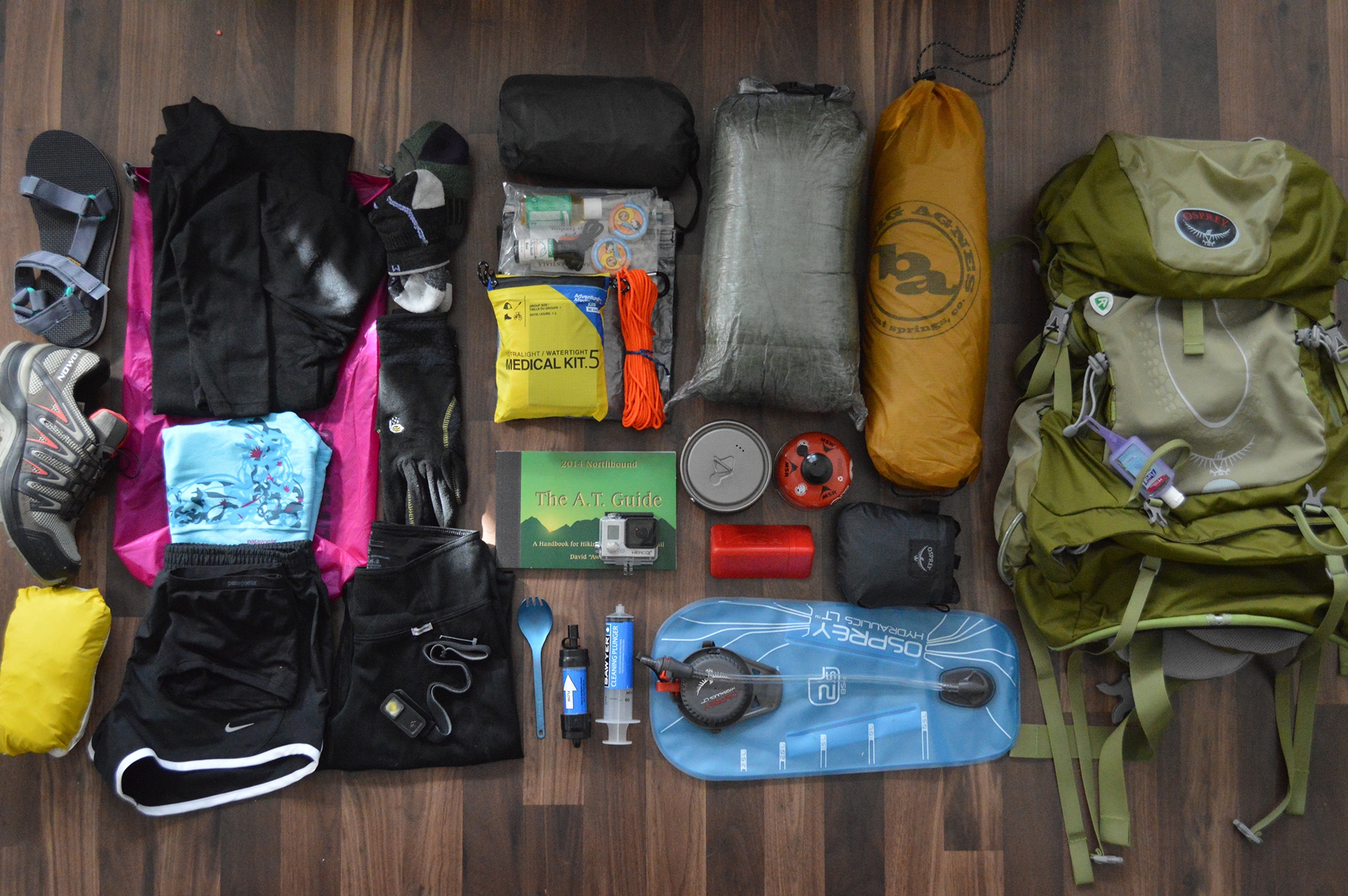
What to Pack
- Neutral-colored clothing: Khaki, beige, and olive green are best—bright colors can scare animals away. Avoid blue and black, which can attract tsetse flies.
- Layered clothing: Mornings and evenings can be cold, even in tropical climates, while afternoons can be hot. I always pack a lightweight fleece or sweater for early morning game drives.
- Comfortable shoes: You'll be doing a lot of getting in and out of vehicles, and you may want to go for short walks. I prefer sturdy hiking boots or closed-toe shoes with good traction.
- Sunscreen and hat: The African sun is intense, even on cloudy days. I use a high-SPF sunscreen and wear a wide-brimmed hat to protect my face and neck.
- Insect repellent: Mosquitoes and other insects can be a nuisance, especially in the evenings. Look for a repellent with DEET or picaridin.
During Your Safari (Safety Tips)
- Be patient: Wildlife viewing requires patience. Some of my best sightings have come after hours of waiting. Remember, it's not a zoo—animals don't perform on command.
- Respect wildlife: Always maintain a safe distance from animals, and never approach them on foot unless accompanied by a guide. I've seen too many people put themselves in danger by getting too close.
- Keep quiet: Loud noises can scare animals away. Speak in a low voice, and turn off your cell phone ringer.
- Stay in the vehicle: Unless your guide says it's safe to get out, stay inside the vehicle. It's your best protection against dangerous animals.
- Listen to your guide: Your guide knows the area and the animals better than anyone. They'll keep you safe and help you spot wildlife you might otherwise miss.
Photography Tips
- Bring a telephoto lens: A lens with at least 300mm focal length is essential for wildlife photography. I use a 150-600mm lens, which gives me the flexibility to zoom in on distant animals.
- Shoot in the golden hours: The light is best early in the morning and late in the afternoon. That's also when animals are most active.
- Use a bean bag: A bean bag placed on the window ledge makes a great stabilizer for your camera, especially on bumpy roads.
- Don't forget to look up: There's more to safari than just big game. Look for birds, insects, and other small creatures—they make fascinating subjects too.
- Backup your photos: Nothing is worse than losing all your photos. I bring a portable hard drive and backup my photos every night.
For more detailed advice on capturing amazing wildlife photos, check out my safari photography guide.
Budget Tips
- Travel during shoulder season: Prices are lower, and there are fewer crowds. The wildlife viewing is still excellent.
- Consider a self-drive safari: If you're comfortable driving in Africa, a self-drive safari can be much cheaper than a guided safari. Just make sure to do your research and stay in safe areas.
- Book a package deal: Many tour operators offer package deals that include accommodation, meals, and game drives. These can be more economical than booking everything separately.
- Bring your own snacks: Food and drinks at lodges can be expensive. I always bring a supply of snacks and bottled water.
The Safari Moment I'll Never Forget
After more than 50 safaris, I've had my share of incredible moments. But there's one that stands out above all others—a moment that changed how I see wildlife and our relationship with it.
It was in the Okavango Delta, during the rainy season. I was leading a small group on a walking safari, accompanied by our guide, Jomo.
We'd been walking for about an hour when Jomo suddenly stopped and put his finger to his lips. He pointed to a clearing ahead, where a mother elephant and her calf were grazing.
We watched them for a while, keeping a safe distance. The calf was playful, running around its mother and occasionally bumping into her legs. The mother was calm, gently touching the calf with her trunk every now and then.
Then, something unexpected happened. The mother elephant lifted her head and looked directly at us. For a moment, time seemed to stand still. I held my breath, wondering what she would do.
To my surprise, she didn't charge or even trumpet. She just stood there, looking at us, as if assessing whether we were a threat.
After what felt like an eternity but was probably only a few seconds, she turned back to her calf and continued grazing. The calf, noticing its mother's brief distraction, ran over and nuzzled her.
Jomo later told me that elephants are incredibly intelligent and have excellent memories. He believed the mother had simply been checking us out, making sure we weren't a danger to her calf.
That moment taught me something profound: wildlife isn't just something to watch from a distance—it's something to respect and coexist with. The mother elephant's calm assessment, rather than immediate aggression, showed me that animals are more nuanced than many people think.
Now, whenever I'm on safari, I try to remember that moment. I remind myself to be quiet, respectful, and patient. And I always tell my clients about it, hoping it will help them see safari not just as a chance to take photos, but as an opportunity to connect with nature in a deeper way.
Questions I Get Asked Most About Safari
These are the questions I get asked most often by people planning their first safari. I've tried to answer them honestly, based on my own experiences.
Is safari safe?
Yes, safari is generally safe when you follow the rules and listen to your guide. The vast majority of safari accidents happen when people get out of their vehicles without permission or approach animals too closely.
I've led over 50 safaris without any serious incidents. The key is to respect wildlife and remember that you're a guest in their home.
Do I need a guide?
While self-drive safaris are possible in some parks, I always recommend hiring a professional guide. Guides have extensive knowledge of animal behavior, tracking skills, and local knowledge that can greatly enhance your experience.
On my first self-drive safari, I spent hours driving around without seeing much. With a guide, you'll see more wildlife and learn much more about the animals and their habitats.
What's the best time of year to go on safari?
The best time to go on safari depends on where you're going and what you want to see. In general, the dry season (May to September) is considered the best time for wildlife viewing, as animals congregate around water sources and the vegetation is less dense.
However, the wet season (October to April) has its own advantages, including fewer crowds, lower prices, and lush green landscapes. Many animals also give birth during this time, so you may see more baby animals.
How much does a safari cost?
Safari costs can vary widely depending on where you go, when you go, and what level of accommodation you choose. A budget safari can cost as little as $100-200 per day, while a luxury safari can cost $1,000 or more per day.
My advice is to spend as much as you can afford on your safari. The experience is priceless, and a good safari will create memories that last a lifetime.
What's the best camera for safari?
You don't need a professional camera to take great safari photos, but a camera with a good zoom lens will definitely help. I recommend a DSLR or mirrorless camera with at least a 200mm lens.
If you don't have a fancy camera, don't worry—many smartphones now have excellent zoom capabilities. The most important thing is to be present in the moment, not just behind the lens.
Can I go on safari if I'm vegetarian or have dietary restrictions?
Yes, most lodges and camps can accommodate dietary restrictions, including vegetarian, vegan, and gluten-free diets. However, it's important to inform them of your restrictions when booking.
I've traveled with many vegetarian and vegan clients, and they've always been well-catered for. African cuisine has a lot of vegetarian options, especially in countries like Tanzania and Kenya.
About the Author
Dr. Karen Mitchell is a wildlife biologist and safari guide with over 20 years of experience leading tours across Africa. She has a PhD in African wildlife ecology and has published several research papers on elephant behavior.
After working in academia for 10 years, Karen left to pursue her passion for sharing Africa's wildlife with others. She now leads small-group safaris focused on responsible tourism and conservation.
Karen has visited all 54 African countries and has spent more than 1,000 nights in the bush. She's passionate about wildlife conservation and works closely with several African conservation organizations.
You can learn more about her work on her author page.
Update Information
This guide was last updated in February 2026 based on Karen's most recent safaris to all four destinations.
Wildlife movements, park regulations, and accommodation availability can change, so please verify information before planning your trip.