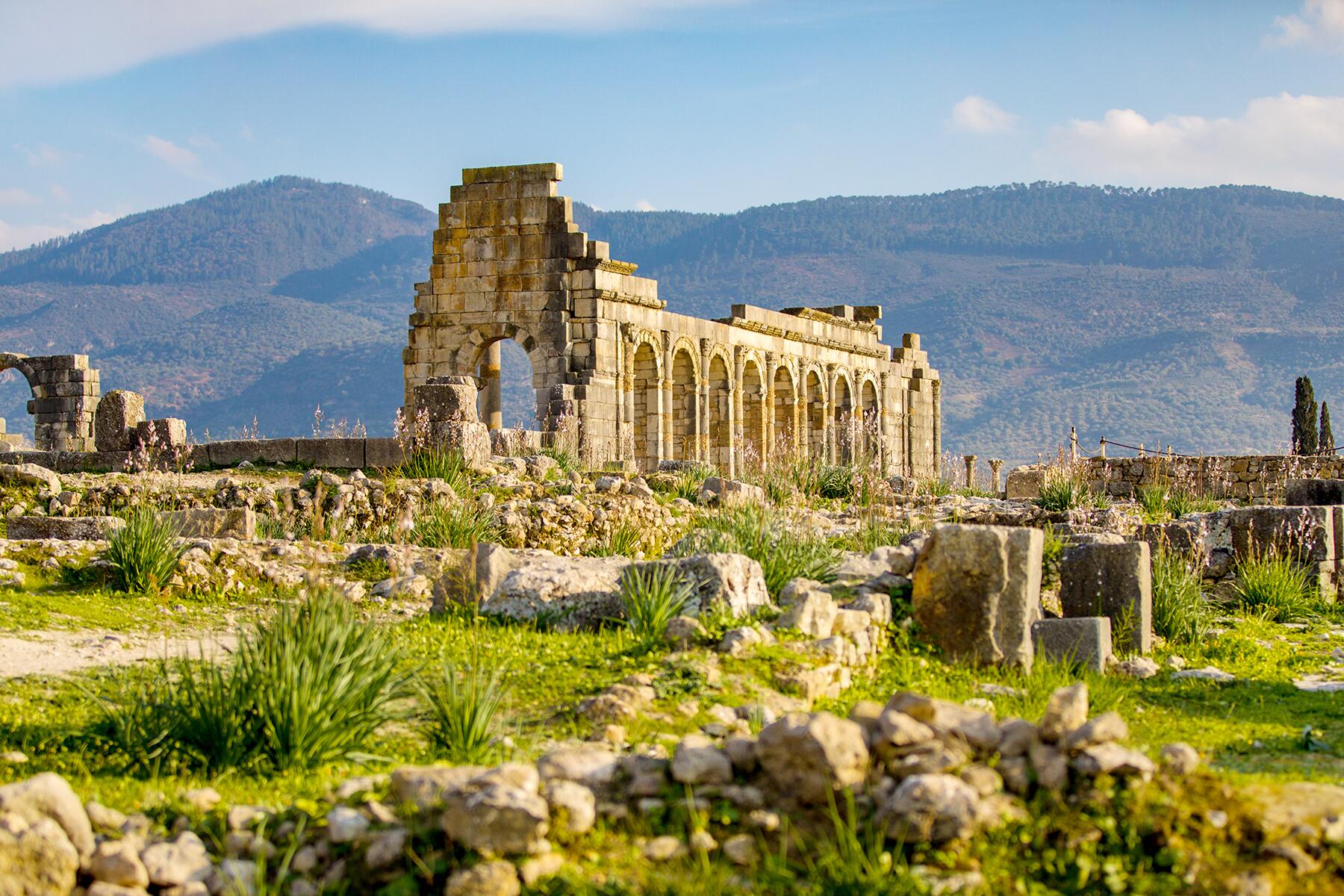
Budget-Friendly Adventure
Experience 10 countries in 30 days with our comprehensive backpacking guide
Quick Summary: Is Backpacking Europe Right for You?
- Best for: Adventure seekers, budget travelers, cultural enthusiasts, students
- Not ideal for: Those seeking luxury accommodations, travelers with limited time
- Time required: Minimum 2–3 weeks, ideally 4–8 weeks
- Budget range: $50–$150 USD per day (budget to moderate)
- Best seasons: Spring (April–June) and Fall (September–October) for ideal weather and fewer crowds
⭐ Who Backpacking Europe Is NOT For
Backpacking across Europe may not be the right choice if you:
- Prefer fixed schedules and structured tours: Backpacking requires flexibility and adaptability when plans change.
- Need consistent comfort and privacy: Hostel dormitories and shared facilities are part of the experience.
- Have limited flexibility in time or budget: Unexpected costs and delays are common, requiring buffer time and money.
- Dislike frequent transportation and packing/unpacking: Moving every 2–3 days is typical for most routes.
- Are uncomfortable with social interaction: Hostels and shared spaces involve meeting new people regularly.
That said, even if some of these apply to you, there are ways to adapt the backpacking experience to better suit your preferences—like booking private hostel rooms or traveling at a slower pace.
⭐ How I'd Backpack Europe Again (If I Started Today)
After three backpacking trips across Europe totaling over 150 days on the road, here's what I'd do differently if I started today:
- Focus on one main region: Instead of trying to cross the entire continent, I'd choose either Western Europe, Southern Europe, or the Balkans for a more immersive experience.
- Travel for at least 4 weeks: This avoids burnout and allows for unexpected detours and rest days.
- Mix transportation options: I'd use a combination of trains, buses, and occasional budget flights instead of relying solely on Eurail.
- Prioritize Eastern and Balkan countries: They offer incredible value, stunning scenery, and authentic cultural experiences.
- Budget realistically: I'd aim for €50–70 per day instead of trying to stick to an overly strict budget, which allows for occasional splurges and reduces stress.
- Book fewer accommodations in advance: Leaving 30–40% of my accommodations unbooked gives me the flexibility to stay longer in places I love.
Why Backpack Europe? My Personal Journey
Backpacking across Europe wasn't just a trip for me—it was a rite of passage. After saving for months and mapping out my route, I set off with a 45L backpack, a Eurail pass, and a sense of adventure. Over 7 weeks, I traveled through 12 countries, from the misty hills of Scotland to the sun-drenched beaches of Croatia. What struck me most was how Europe's compact size allows you to experience incredibly diverse cultures, cuisines, and landscapes all within a relatively short time.
From the historic streets of Prague to the vibrant markets of Budapest, Europe provides endless adventures for travelers seeking authentic experiences on a budget. As someone who's now completed three separate backpacking trips across the continent, I can confidently say it's one of the best ways to truly understand the richness and diversity of European culture.
Essential Planning
Choosing Your Route: Finding the Right Fit
On my first trip, I tried to cram too many countries into too little time—10 countries in 30 days. While I saw a lot, I often felt rushed and exhausted. For my second trip, I focused on just 6 countries over 7 weeks, which allowed me to truly immerse myself in each place.
While there are countless routes across Europe, most first-time backpackers fall into one of four paths. Each comes with different costs, travel pace, and cultural depth:
- Western Europe: London → Paris → Amsterdam → Brussels → Prague → Vienna
Best for: First-time travelers seeking iconic sights
Consider: Higher costs, more tourists - Southern Europe: Spain → Italy → Greece → Croatia
Best for: Food lovers and beach enthusiasts
Consider: Hot summers, popular with students - Eastern Europe: Germany → Poland → Czech Republic → Hungary
Best for: History buffs on a budget
Consider: Rich culture, better value - Balkan Trail: Slovenia → Croatia → Bosnia → Montenegro → Albania → Greece
Best for: Adventure seekers and off-the-beaten-path travelers
Consider: Stunning scenery, great value, less developed infrastructure
My personal favorite? The Balkan Trail. It offers stunning natural beauty, rich history, and incredibly friendly locals—all at a fraction of the cost of Western Europe. Croatia's Plitvice Lakes National Park and Montenegro's Bay of Kotor are two spots I still dream about.
Best Time to Travel
Consider seasonal factors:
- Spring (March-May): Mild weather, fewer crowds, affordable prices
- Summer (June-August): Peak season, warm weather, but higher prices
- Fall (September-November): Good weather, fewer tourists, harvest season
- Winter (December-February): Budget-friendly, Christmas markets, winter sports
Budget Considerations: How I Stretched My Money
On my first trip, I set a strict budget of €40 per day and managed to stick to it—even in more expensive countries like France and Italy. Here's how my daily expenses broke down:
- Accommodation: €15-25 (hostel dorm beds)
- Food: €10-15 (street food, supermarkets, hostel kitchens)
- Transportation: €5-10 (public transit, walking)
- Activities: €5-10 (free museums, walking tours)
Daily budget estimates for backpacking Europe:
- Budget traveler: €30-50 per day
- Mid-range traveler: €50-80 per day
- Comfortable traveler: €80-120 per day
Money-Saving Tip
Travel during shoulder season (April-May or September-October) for the best balance of good weather and lower prices. I traveled in May and saved nearly 30% on accommodation compared to peak summer prices.
Transportation Options
Eurail Pass
For extensive train travel, consider a Eurail Pass:
- Flexible travel days for 1-3 months
- Discounts for youth travelers
- Seat reservations included for most trains
- Valid in 27 European countries
Budget Airlines
Budget airlines offer cheap connections between major cities:
- Ryanair - Extensive network across Europe
- EasyJet - Good coverage of major destinations
- Vueling - Spanish network and connections
- Wizz Air - Eastern European specialist
Bus Travel
Budget-friendly option for longer distances:
- FlixBus - Pan-European network
- Megabus - UK and European routes
- Student Agency - Czech Republic and Central Europe
Accommodation Strategies
Hostels
Budget-friendly accommodation with social atmosphere:
- Dormitory beds typically €15-35 per night
- Private rooms available in most hostels
- Shared kitchens and common areas
- Great for meeting fellow travelers
Couchsurfing
Stay with locals for free:
- Create detailed profile with references
- Send personalized requests
- Be respectful and clean
- Bring small gifts from your country
Camping
Budget option for outdoor enthusiasts:
- Campgrounds typically €5-20 per night
- Wild camping allowed in some countries
- Consider weather and equipment
- Good for nature lovers
What to Pack
Essential Gear
Pack smart for European travel:
- Lightweight, 40-60L backpack
- Comfortable walking shoes
- Weather-appropriate clothing
- Universal power adapter
- Portable charger and cables
- Travel insurance documents
- Emergency cash in multiple currencies
Clothing Strategy
Layer clothing for varying weather:
- Base layers for warmth
- Waterproof jacket
- Comfortable walking pants
- Quick-dry shirts
- Warm sweater or fleece
- Rain poncho or umbrella
Regional Highlights
Western Europe
Paris, France: Explore the Louvre, climb the Eiffel Tower, and enjoy Parisian cuisine.
Amsterdam, Netherlands: Canal tours, cycling culture, and vibrant nightlife.
Prague, Czech Republic: Beautiful architecture, affordable beer, and rich history.
Southern Europe
Rome, Italy: Ancient ruins, world-class cuisine, and Vatican treasures.
Barcelona, Spain: Gaudí architecture, beach culture, and tapas scene.
Athens, Greece: Ancient history, Mediterranean cuisine, and island hopping.
Eastern Europe
Krakow, Poland: Medieval Old Town, affordable costs, and rich culture.
Budapest, Hungary: Thermal baths, Danube views, and nightlife.
Bucharest, Romania: Mix of old and new, affordable prices, and hidden gems.
Safety Tips
General Safety
- Keep copies of important documents
- Use hotel safes for valuables
- Stay aware of your surroundings
- Trust your instincts
- Learn basic local phrases
Health Considerations
- Get comprehensive travel insurance
- Carry a basic first aid kit
- Know emergency phone numbers
- Keep medication in original containers
- Research healthcare options
Food and Dining
Budget Dining
Eat like a local while saving money:
- Street food and markets
- Self-catering in hostels
- Lunch specials and set menus
- Local bakeries and cafes
- Supermarket meals
Must-Try Dishes
- French: Croissants, coq au vin, cheese plates
- Italian: Pasta, pizza, gelato
- Spanish: Paella, tapas, churros
- German: Bratwurst, pretzels, sauerbraten
- Greek: Moussaka, souvlaki, baklava
Cultural Etiquette
General Tips
- Learn basic greetings in local languages
- Dress appropriately for cultural sites
- Respect photography rules
- Tip appropriately for services
- Be patient and flexible
Language Basics
Essential phrases to learn:
- Hello / Goodbye
- Thank you / Please
- Excuse me / Sorry
- How much? / Where is...?
- Help! / Emergency!
Communication and Internet
Staying Connected
- International roaming plans
- European SIM cards
- Free WiFi in most accommodations
- Internet cafes in major cities
- Portable WiFi hotspots
Useful Apps
- Google Translate for language barriers
- Maps.me for offline navigation
- Trainline for transportation schedules
- Hostelworld for accommodation
- XE Currency for exchange rates
Money Management
Currency Considerations
- Eurozone countries use the Euro
- Some countries still use local currencies
- Credit cards widely accepted
- ATMs available in most cities
- Notify banks of travel plans
Money-Saving Tips
- Eat breakfast in your accommodation
- Take advantage of free walking tours
- Visit free museums and attractions
- Buy groceries and cook meals
- Look for student discounts
- Use public transportation
Conclusion: My Final Thoughts
Backpacking across Europe has been one of the most transformative experiences of my life. It taught me to be flexible when plans fall through, to connect with people from different cultures, and to appreciate the beauty in unexpected moments—like sharing a bottle of wine with strangers in a Parisian park or watching the sunrise over the Adriatic Sea.
What I cherish most are the friendships I made along the way—fellow travelers from around the world who became like family for a few weeks. We shared meals, stories, and even the occasional disaster (like missing a train or getting caught in a rainstorm without an umbrella).
With proper planning, realistic budgeting, and an open mind, you can experience the rich history, diverse cultures, and natural beauty that Europe has to offer. Whether you're exploring ancient Roman ruins, sampling local cuisines, or meeting fellow travelers in hostels, Europe provides countless opportunities for personal growth and unforgettable experiences.
Remember that the journey is just as important as the destinations. Take time to appreciate the small moments, try new things, and embrace the unexpected. Your European backpacking adventure awaits!
About the Author
Marcus Johnson is an experienced travel writer and backpacker who has explored over 40 countries across Europe, Asia, and the Americas. He has completed three extensive backpacking trips across Europe, totaling over 150 days on the road, with specialized knowledge of the Balkan region and Eastern Europe.
Marcus specializes in budget travel and cultural immersion, and his writing has been featured in numerous travel publications. This guide is based on his personal experiences, extensive research, and feedback from fellow travelers.
More of Marcus's budget travel guides and backpacking stories can be found on this website.