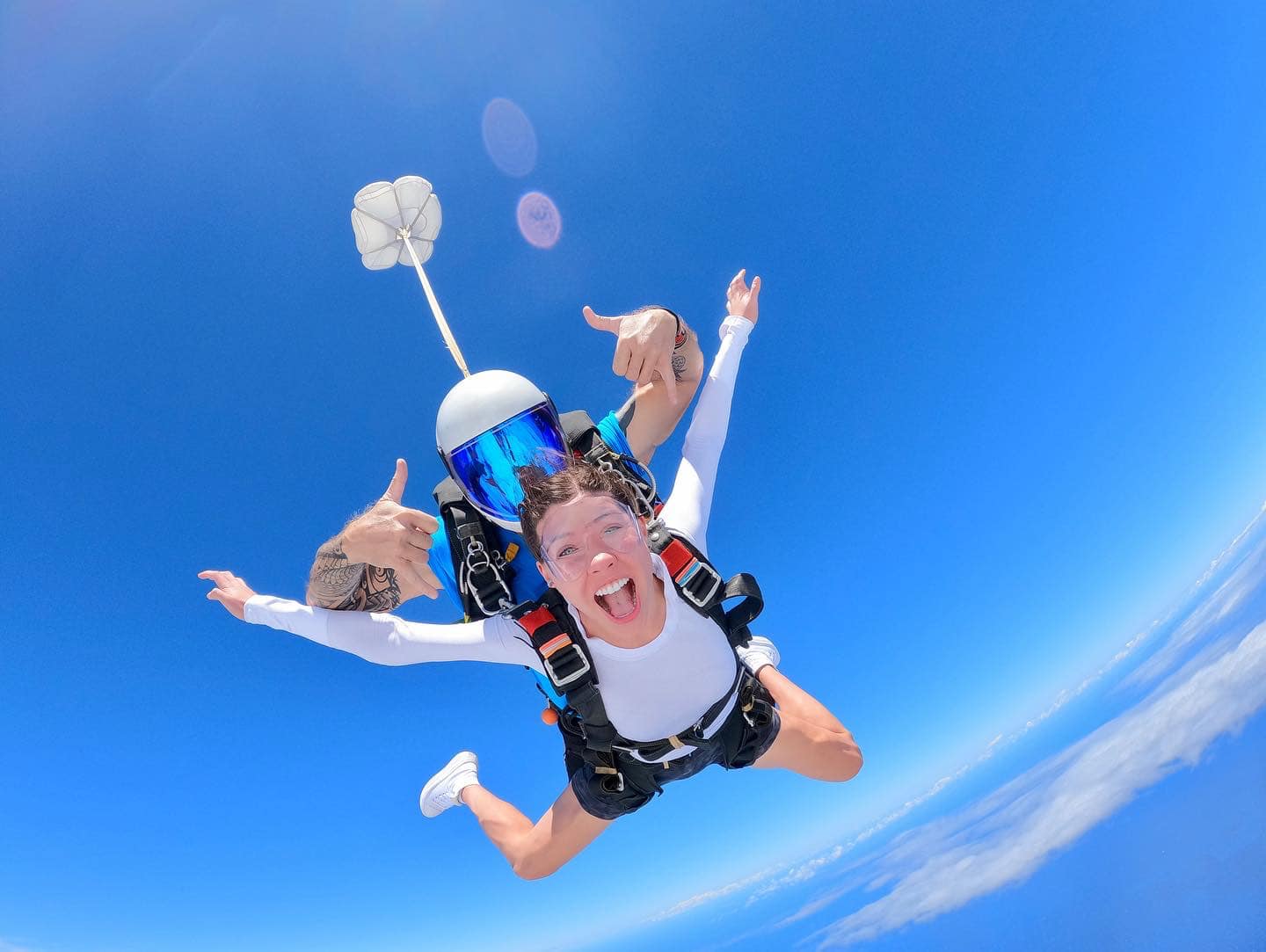
Ultimate Adrenaline Rush
Freefall from 15,000 feet at 120 mph while enjoying breathtaking views of our planet
What is Skydiving?
Skydiving involves jumping from an aircraft and freefalling through the air before deploying a parachute to slow down and land safely. It's one of the most thrilling adventure sports, offering a unique perspective on the world and an adrenaline rush like no other. The experience typically lasts about 5-7 minutes from jump to landing, with 45-60 seconds of pure freefall excitement.
Types of Skydiving
Tandem Skydiving
This is the most popular type of skydiving for beginners, where you jump attached to an experienced instructor. It's perfect for first-timers who want to experience skydiving without extensive training.
Static Line Skydiving
In this type of skydiving, the parachute is deployed automatically by a static line attached to the aircraft. This allows beginners to jump solo while maintaining safety.
Freefall Skydiving
This is for experienced skydivers, who jump from the aircraft and freefall before deploying their parachute. This requires proper training and certification.
Best Skydiving Destinations
Interlaken, Switzerland
Skydive over the Swiss Alps for breathtaking views of mountains, lakes, and glaciers. At 15,000 feet, you'll see the Jungfrau, Eiger, and Mönch mountains in all their glory.
Queenstown, New Zealand
Known as the adventure capital of the world, Queenstown offers stunning views of mountains and lakes. Jump over the dramatic Southern Alps and Lake Wakatipu.
Great Barrier Reef, Australia
Skydive over the Great Barrier Reef for a unique perspective on this natural wonder. See the coral formations and turquoise waters from 14,000 feet.
Palm Jumeirah, Dubai
Skydive over the iconic Palm Jumeirah for stunning views of Dubai's skyline and beaches. This is one of the most urban skydiving experiences available.
Fox Glacier, New Zealand
Skydive over Fox Glacier for breathtaking views of this massive glacier and the surrounding mountains. Experience New Zealand's pristine wilderness from above.
Moab, Utah, USA
Jump over the red rock formations of Arches and Canyonlands National Parks. This unique landscape offers stunning desert vistas.
Hawkesbury River, Australia
Experience skydiving over the pristine waters and bushland near Sydney. This location combines ocean and forest views.
Training and Certification
To skydive solo, you need to complete a training program and obtain a certification. Most programs involve several tandem jumps followed by solo jumps under the supervision of an instructor.
Ground School
Before your first jump, you'll complete ground school training covering:
- Safety procedures and emergency protocols
- Equipment familiarization
- Body position and control techniques
- Landing procedures
Progressive Training
Most solo certification programs follow a progressive structure:
- Tandem jumps for familiarization
- Static line jumps with automatic parachute deployment
- Accelerated freefall (AFF) training
- Solo jumps with instructor supervision
Safety Considerations
Skydiving is generally safe when done with a reputable drop zone and experienced instructors. However, there are risks involved:
- Equipment failure (parachute malfunction)
- Weather conditions (wind, clouds, precipitation)
- Human error (poor body position, late parachute deployment)
- Landing hazards (trees, power lines, uneven terrain)
Choosing a Safe Drop Zone
When selecting a skydiving location, consider:
- Instructor experience and certifications
- Safety record and accident history
- Equipment maintenance standards
- Weather monitoring capabilities
- Emergency response procedures
What to Expect on Your Jump Day
Pre-Jump Preparation
On the day of your skydive:
- Complete necessary paperwork and medical forms
- Attend safety briefing and equipment fitting
- Meet your instructor and review procedures
- Load aircraft and climb to altitude
The Jump
Your skydiving experience will include:
- Aircraft door opening and final instructions
- Exit from the aircraft (tandem or solo)
- 45-60 seconds of freefall at 120 mph
- Parachute deployment and canopy flight
- Landing and celebration
Equipment Essentials
Modern skydiving equipment includes:
- Main parachute with automatic activation device
- Reserve parachute (mandatory backup)
- Altimeter for altitude awareness
- Helmet for head protection
- Goggles to protect eyes during freefall
- Jumpsuit for aerodynamics and protection
Photography and Videography
Many drop zones offer photography services:
- Instructor-carried cameras for video documentation
- Photos of your jump and landing
- Professional editing and delivery
- Personal cameras (subject to drop zone policies)
Weather Considerations
Skydiving is weather-dependent. Optimal conditions include:
- Winds under 15 mph
- Clear visibility (no fog or low clouds)
- No precipitation
- Stable weather patterns
Cost Considerations
Skydiving costs vary by location and services:
- Tandem skydiving: $200-$400
- Solo certification course: $1,500-$3,000
- Video package: $50-$150 additional
- Accommodation and travel costs
Age and Health Requirements
Most drop zones have requirements:
- Minimum age: 18 years (16-17 with parental consent)
- Weight limits: typically 200-250 lbs maximum
- No serious medical conditions
- Ability to meet basic physical requirements
Conclusion
Skydiving is an unforgettable experience that offers a unique perspective on the world and an adrenaline rush like no other. Whether you're a first-time skydiver or an experienced jumper, there's a drop zone out there that's perfect for you. The key is choosing a reputable operation with excellent safety records and experienced instructors. With proper preparation and the right mindset, skydiving can be one of the most rewarding adventures of your life.