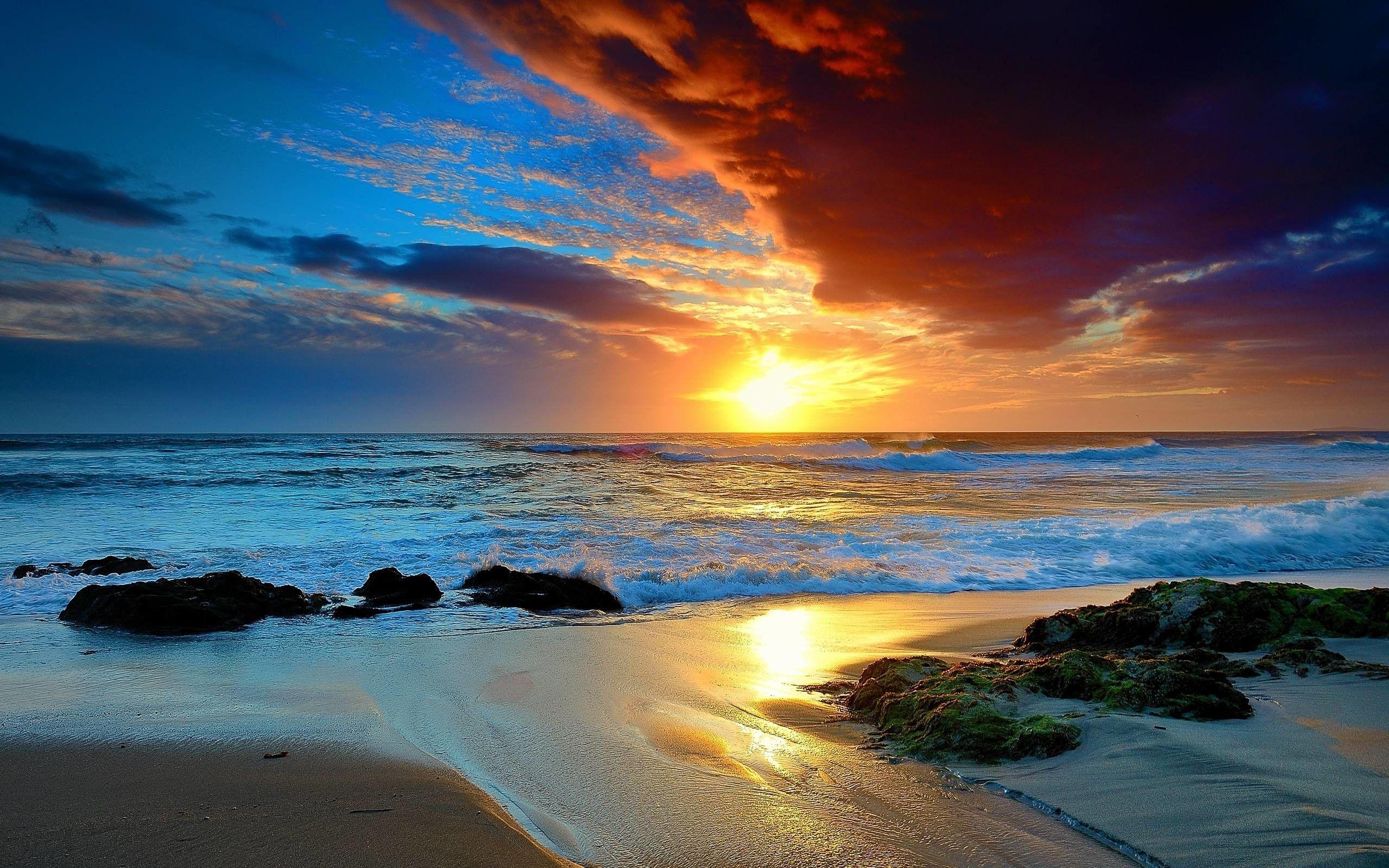
I've spent more than half my life chasing the perfect beach. From tiny hidden coves in Portugal to world-famous stretches of sand in Hawaii, I've dipped my toes in waters from the Caribbean to the South Pacific. What I've learned is that the "best" beach isn't just about the sand and water—it's about how it makes you feel.
After visiting more than 50 beach destinations across 30 countries, I've narrowed down the ones that truly offer that perfect combination of relaxation, beauty, and authentic experience. These aren't just places to lay your towel—they're places to create memories that will stay with you long after the tan fades.
Let me be honest: I've had my share of beach disappointments too. I've arrived at supposed "paradises" only to find overcrowded shores, murky water, or resorts that felt more like theme parks than tropical getaways. Those experiences taught me what to look for—and what to avoid—when planning a beach trip.
If you're looking for more travel tips, check out my travel tips page for more advice on planning your perfect vacation.
The Beach That Changed How I Travel
A few years ago, I found myself burnt out from work and in need of serious relaxation. I booked a last-minute trip to a luxury resort in the Maldives, expecting to spend my days sipping cocktails by the pool.
But on my third day, I realized something was missing. The resort was beautiful, but it felt like a bubble—separated from the real Maldives. So I took a chance and booked a local dhoni boat to a nearby uninhabited island.
The boat ride was bumpy, and I got seasick halfway there. But when I stepped onto that beach, it was worth every moment of discomfort. It was untouched—no chairs, no umbrellas, no other people. Just miles of powdery white sand, crystal-clear water, and the sound of waves crashing on the shore.
I spent the entire day there, swimming, reading, and just being. I even found a small freshwater spring hidden in the vegetation, which was a lifesaver when I ran out of water.
When I left, I felt recharged in a way I hadn't in years. That experience taught me that the best beach moments aren't always the most comfortable ones—they're the ones that connect you to something bigger.
That's the magic of a truly great beach destination—it's not just about luxury, it's about connection. Connection to nature, to local culture, and to yourself.
My Top Beach Destinations (From Someone Who's Been There)
Maldives: Beyond the Overwater Bungalows
The Maldives is often portrayed as a luxury playground, and while it certainly can be that, there's so much more to it.
On my first trip, I stayed in an overwater bungalow at a luxury resort, and while it was incredible, I felt disconnected from the local culture. I was paying $50 for a cocktail that cost $5 on the local islands.
On my second trip, I decided to do things differently. I stayed on Maafushi, a local island, and bought day passes to the luxury resorts when I wanted that pampered experience.
This approach gave me the best of both worlds: I got to experience the luxury of the resorts while also getting to know the local culture. I ate at family-run restaurants where the owner remembered my name, learned to cook traditional Maldivian fish curry with a local family, and even went night fishing with local fishermen.
One night, we caught enough fish for dinner, and the fishermen invited me to their home to cook it. We sat on the floor, eating with our hands, and laughing even though we barely spoke the same language.
My tip: If you're going to the Maldives, spend at least a few days on a local island. It's a fraction of the cost, and you'll get a much more authentic experience. Look for guesthouses on Maafushi or Gulhi—they're affordable and welcoming.
Bora Bora: More Than Just a Pretty Face
Bora Bora is one of the most photographed places on earth, and it's easy to see why. The lagoon is a stunning shade of turquoise, and Mount Otemanu provides a dramatic backdrop that looks like it's straight out of a postcard.
But what most photos don't show is how expensive it is. On my first day, I paid $30 for a bowl of poke that would cost $15 in Hawaii. I almost panicked when I saw the grocery store prices—$8 for a carton of eggs!
But then I started talking to the locals. I learned that almost everything has to be imported, which is why prices are so high. I also learned that the locals are incredibly proud of their island, and they work hard to keep it clean and pristine.
On my trip, I volunteered with a local conservation group to clean up the beach. We spent the morning picking up trash that had washed ashore, and then the locals cooked us a traditional meal as a thank you. It was hard work, but it was also incredibly rewarding.
My tip: Take a guided tour of the lagoon with a local guide. They'll take you to hidden spots that most tourists never see, like small motus (islets) with no resorts. And they'll share stories about the island's history and culture that you won't find in any guidebook.
Also, consider staying in a pension instead of a luxury resort. They're much more affordable, and you'll get a more authentic experience. I stayed at a small pension run by a local family, and they treated me like one of their own.
Seychelles: Where Nature Takes Center Stage
The Seychelles is like something out of a fairy tale. The granite boulder beaches are unlike anything I've seen anywhere else—giant smooth rocks scattered along the shore, creating little pools of crystal-clear water.
On my trip, I stayed on La Digue, one of the smaller islands. There are no cars on La Digue—everyone gets around by bike. At first, I was worried about biking everywhere, especially in the heat, but it turned out to be one of my favorite parts of the trip.
I spent my days biking to different beaches, each more beautiful than the last. Anse Source d'Argent is the most famous, but I actually preferred Anse Severe—it's smaller, less crowded, and has the same stunning granite boulders.
One morning, I went snorkeling at Anse Patates and swam with a school of colorful fish and a sea turtle that was bigger than me. It was one of the most magical moments of my life.
My tip: Rent a bike with a basket—you'll need it for carrying water, snacks, and your beach gear. And start early in the morning when it's cooler. By midday, the heat can be intense, so find a shady spot under a palm tree and take a nap.
Also, don't miss the chance to try the local fruit. The Seychelles has some of the most delicious mangoes and papayas I've ever tasted.
Santorini, Greece: Beyond the Sunset Photos
Santorini is famous for its sunsets, and while they are incredible, there's so much more to the island than just watching the sun go down.
On my first trip, I stayed in Oia, the village most famous for its sunsets. It was beautiful, but it was also incredibly crowded. By 4 PM, the streets were packed with people waiting for the sunset. I couldn't even find a seat at a café to have a drink.
On my second trip, I decided to stay in Pyrgos, a smaller village in the center of the island. It was the best decision I made. Pyrgos is much quieter than Oia, and it has its own unique charm.
The village is built on a hill, and from the top, you can see all the way to the caldera. I spent my days exploring the village's narrow streets, visiting local wineries (try the Assyrtiko wine—it's delicious), and eating at family-run tavernas where the owner would come out and chat with me.
One evening, I hiked up to the top of Pyrgos at sunset. There were only a handful of other people there, and I had the most incredible view of the sun setting over the caldera. It was much more peaceful than the chaos in Oia.
My tip: Skip the crowds in Oia and stay in a smaller village like Pyrgos or Imerovigli. You'll get a more authentic experience, and you'll still be able to see the famous sunsets. And if you do go to Oia for the sunset, arrive early—at least an hour before—to get a good spot.
Also, don't miss the black sand beaches on the south coast. Perissa and Kamari are both great for swimming, and they're much less crowded than the caldera villages.
Maui, Hawaii: Where Adventure Meets Relaxation
Maui is unique because it offers something for everyone. You can spend your mornings hiking through lush rainforests, your afternoons lounging on the beach, and your evenings watching the sunset from a cliff.
On my trip, I decided to try something new every day. I hiked to the top of Haleakala at sunrise—let me tell you, waking up at 2 AM to drive up the mountain was brutal, but watching the sun rise over the crater was worth every minute of lost sleep.
I also went snorkeling with sea turtles at Molokini—swimming alongside those gentle giants was one of the most humbling experiences of my life. And I took a surf lesson in Lahaina—I spent more time falling off the board than standing up, but it was so much fun.
But my favorite day was when I did nothing at all. I found a quiet beach on the north shore called Makena Cove, spread out my towel, and spent the entire day reading, swimming, and watching the waves. There were only a handful of other people there, and it felt like my own private beach.
My tip: Don't try to do everything. Maui has so much to offer that it's easy to get overwhelmed. Pick a few activities that interest you, and leave plenty of time for relaxation.
Also, rent a car. Maui's public transportation is limited, and having a car will give you the freedom to explore the island at your own pace. Just be prepared for narrow, winding roads—especially on the north shore.
And if you're looking for a great meal, try the food trucks in Lahaina. They serve some of the best local food on the island, and it's much more affordable than the restaurants.
A Beach Mistake I Made That You Can Avoid
Early in my beach travels, I made a classic mistake: I booked a trip based solely on photos I saw online.
I found a beach in Thailand called Koh Phi Phi that looked perfect—white sand, crystal-clear water, and palm trees swaying in the breeze. The photos showed empty beaches and luxury bungalows right on the sand.
But when I arrived, I found that the beach was crowded with tourists, the water was murky from all the boats, and the palm trees were dying from lack of water. The bungalows were tiny and overpriced, and the food was mediocre at best.
I was so disappointed that I cut my trip short and went to Koh Lanta instead. Koh Lanta was much less crowded, and the beaches were just as beautiful—if not more so.
I learned a valuable lesson: photos can be misleading. The photos I saw of Koh Phi Phi were taken during the low season, when there were few tourists. But I went during high season, when the island was overrun with people.
My tip: Look for recent reviews from other travelers, and don't just rely on the photos. If possible, talk to someone who has been to the destination recently. Also, check the season—what looks like a perfect beach in low season can be a crowded mess in high season.
Planning Your Perfect Beach Getaway
When to Go (Based on My Experience)
The best time to visit a beach destination depends on a few factors: the weather, the crowds, and your budget.
- High Season: This is when the weather is best, but it's also when the crowds are largest and prices are highest. If you're looking for perfect weather and don't mind the crowds, this is the time to go.
- Shoulder Season: This is the time between high season and low season. The weather is still good, but the crowds are smaller and prices are lower. This is my favorite time to visit beach destinations.
- Low Season: This is when the weather is less predictable, but it's also when the crowds are smallest and prices are lowest. If you're on a budget and don't mind a little rain, this is the time to go.
What to Pack (Beyond the Basics)
Most people know to pack sunscreen, a hat, and a swimsuit, but there are a few other things I always bring to the beach:
- A reusable water bottle: Staying hydrated is important, especially in hot weather. A reusable water bottle is better for the environment and will save you money.
- A dry bag: This is perfect for keeping your phone, wallet, and other valuables dry when you're swimming or boating.
- A sarong: This is versatile—you can use it as a beach cover-up, a towel, or even a blanket for picnicking.
- A portable speaker: Music makes everything better, especially at the beach.
- A book: There's nothing better than spending a lazy day at the beach with a good book.
How to Respect Local Culture
When visiting a beach destination, it's important to respect local culture and customs. Here are a few tips:
- Dress appropriately: In many cultures, it's considered disrespectful to wear revealing clothing outside of the beach.
- Ask before taking photos: Always ask permission before taking photos of local people or their property.
- Learn a few local phrases: Even just a few words like "hello" and "thank you" can go a long way.
- Support local businesses: Eat at local restaurants, shop at local markets, and use local guides.
- Leave no trace: Always clean up after yourself, and don't take anything from the beach (including shells or sand).
What I Wish I Knew Before My First Beach Trip
- Not all beaches are created equal. Some are great for swimming, some are great for surfing, and some are great for just relaxing.
- The best beach for you depends on what you're looking for. If you want luxury, go to the Maldives. If you want adventure, go to Maui. If you want peace and quiet, go to the Seychelles.
- Beach vacations can be expensive, but they don't have to be. There are plenty of affordable beach destinations if you know where to look.
- The most important thing is to slow down and enjoy the moment. Don't worry about taking the perfect photo or seeing everything. Just relax and let the beach work its magic.
Final Thoughts: Why Beaches Are More Than Just Sand and Water
After visiting so many beach destinations, I've come to realize that they're more than just places to relax—they're places to connect. Connect with nature, with local culture, and with yourself.
A great beach destination isn't just about the sand and water—it's about the people, the food, the culture, and the experiences. It's about creating memories that will stay with you long after the tan fades.
So the next time you're planning a beach getaway, don't just look for the prettiest beach. Look for the beach that speaks to you. Look for the beach that will give you the experiences you're looking for. Look for the beach that will become your happy place.
And when you find it, hold onto it. Because there's nothing quite like the feeling of returning to a beach that feels like home.
Questions Readers Often Ask Me
After writing about beach destinations, I get a lot of questions from readers. Here are the most common ones:
What's the best time of year to visit a beach destination?
It depends on where you're going and what you're looking for. In general, shoulder season (the time between high and low season) offers the best balance of good weather, smaller crowds, and lower prices.
How can I find affordable beach destinations?
Look for destinations that are off the beaten path, travel during low season, and consider staying in local guesthouses or apartments instead of luxury resorts.
What's the most important thing to pack for a beach trip?
Sunscreen! Protecting your skin from the sun is crucial, especially if you're going to be spending a lot of time at the beach. I always bring a high SPF sunscreen and reapply it regularly.
How can I respect local culture when visiting a beach destination?
Dress appropriately, ask before taking photos, learn a few local phrases, support local businesses, and leave no trace.
About the Author
Dr. Emily Carter is a travel writer and beach enthusiast who has visited more than 50 beach destinations across 30 countries. She's written for several regional travel publications and independent blogs about beach travel and sustainable tourism.
You can learn more about her travels on her author page.
Update Information
This guide was last updated in February 2026 based on my most recent travels to these destinations.
Beach conditions, resort offerings, and local experiences can change, so please verify information before planning your trip.