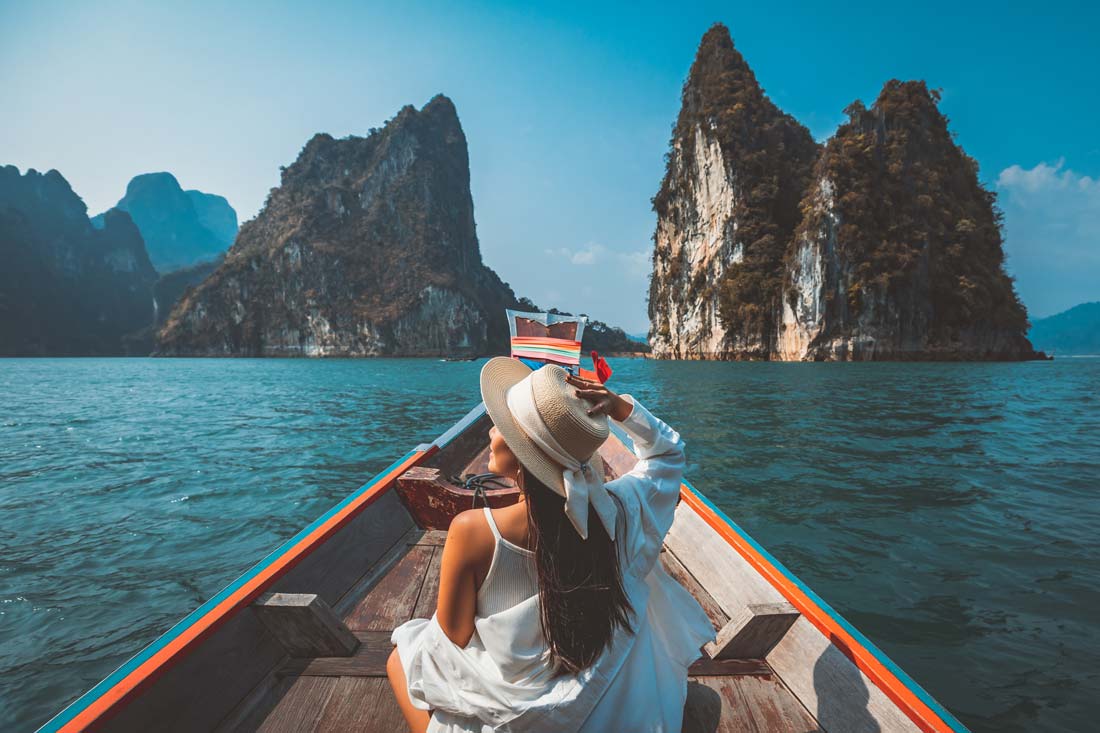
Introduction to Solo Travel
Okay, let's be real. After solo traveling to 25+ countries across 5 continents over the past 10 years? I can honestly say it's been the most messed up, wonderful, transformative experience of my life. I've climbed mountains in Peru (and almost slipped and fell a few times), danced at festivals in Thailand until my feet hurt, and navigated train stations in Italy—all on my own. Along the way? I've messed up. A lot. But I've also learned what works. This guide? It's all the stuff I wish someone had told me before my first solo trip.
Let me start with a confession: my first solo trip was a hot mess. Like, total disaster. I booked a last-minute trip to Prague, got lost on my first day (thanks to a map app that was definitely broken), and spent the entire weekend in my hostel room feeling homesick. I was too embarrassed to ask for directions—what if people thought I was stupid? Too nervous to eat alone in restaurants—what if everyone was staring at me? Too scared to explore the city after dark. But here's the thing: that disaster taught me more than any guided tour ever could. It taught me to be resourceful. To trust my instincts (most of the time). To embrace the unknown.
Fast forward to today? Solo travel is my favorite way to explore the world. I've got strategies to stay safe, make friends, and create experiences that stick with me. This guide? It's everything I've learned—from the wins and the epic fails.
One thing I didn't expect about solo travel? How quiet it could feel. Not lonely, just... quiet. That silence? It taught me to slow down. To actually listen to myself. I started noticing things I would have missed if I'd been with someone else: the way the light hits a cathedral at dusk. The sound of a street musician's violin, echoing through the square. The taste of a perfectly made croissant—flaky, buttery, worth every calorie.
Who This Guide Is For
This guide is designed for first-time solo travelers, seasoned adventurers looking to enhance their solo travel skills, and anyone who's ever felt hesitant about traveling alone. Whether you're planning a weekend getaway or a year-long backpacking trip, these tips will help you stay safe and make the most of your solo adventure.
My Solo Travel Philosophy
Over the years, I've learned that solo travel isn't about being brave or independent—it's about being curious. It's about stepping outside your comfort zone and discovering parts of yourself you never knew existed. Some of my best travel memories involve getting lost, making mistakes, and connecting with strangers in unexpected ways.
Choose the Right Destination (My Best Solo Travel Finds)
Okay, let's talk destinations. Because let me tell you—not all places are created equal for solo travelers. Some feel like they're designed for people traveling alone, while others? They can feel overwhelming. Like, "why did I come here by myself?" overwhelming. Here are my top picks, each with a story from my own travels:
- Japan: Oh man, Japan. Let me gush for a second. I felt so safe there—like, incredibly safe. The public transportation? It's so reliable. I never once got lost (after that Prague disaster, that was a huge relief!). I remember this one rainy afternoon in Kyoto—just pouring rain, but I didn't care. I wandered through the bamboo forest, got totally soaked, and then stumbled on this tiny teahouse. This elderly woman was there, and she taught me how to pour matcha properly. She didn't speak a word of English, but we just gestured and laughed. It was perfect. I spent two weeks in Tokyo, Kyoto, Osaka—all alone—and never once felt weird. Even walking back to my hostel late at night? No problem.
- Portugal: Lisbon and Porto? They're my go-to for solo travel. Compact, walkable, food that's delicious and doesn't break the bank. And the hostels? So social. I stayed at this one in Lisbon with a rooftop bar that did weekly BBQs. That's where I met Maria—she was from Brazil, also traveling alone. We hit it off immediately, rented a car, and drove down to the Algarve. We got lost trying to find this hidden beach—like, really lost. But then we stumbled on a local fisherman who invited us to share his lunch. Fresh sardines, bread, wine. It was one of those moments that makes you go, "This is why I travel alone."
- New Zealand: The Land of the Long White Cloud? It's a solo traveler's dream. I rented this tiny camper van—like, really tiny, but it had a bed and a little stove—and drove the South Island for three weeks. I just stopped whenever something looked cool. One evening, I pulled over at this scenic overlook, and this local farmer came up to me. Invited me to his sheep shearing demonstration the next day. I went, and let me tell you—I was terrible at shearing sheep. Like, really bad. But he didn't care. We had a traditional Kiwi barbecue after, and everyone was so welcoming. Even in the middle of nowhere, I felt safe.
- Thailand: Thailand's where I really fell in love with solo travel. I started in Bangkok, took a cooking class, and met this group of solo travelers. We ended up traveling together for two weeks—trekking in Chiang Mai, lazing on Koh Phi Phi's beaches, dancing at a full moon party until sunrise. What I loved most? How easy it was to meet people. Just strike up a conversation with a street food vendor, join a group tour, and boom—friends.
This reminds me of my trip to Banff National Park, where I had some of my best solo hiking experiences. I wrote more about that adventure here if you're interested in more mountain destination ideas.
Something I've learned about choosing destinations: the best solo travel experiences often happen in places you've never heard of. I once took a detour to a small town in Portugal called Óbidos, and it ended up being one of my favorite places in Europe. The streets were lined with whitewashed houses, the castle was stunning, and the locals were incredibly friendly. I would have never known about it if I'd stuck to the typical tourist route.
What I Got Completely Wrong About Planning My First Solo Trip
When I first started solo traveling, I planned every minute of every day. I had color-coded itineraries, pre-booked tours months in advance, and a rigid schedule that I refused to deviate from. On my first trip to Paris, I had a strict schedule that included visiting the Eiffel Tower at exactly 3 PM. When I arrived, there was a two-hour line, and I ended up spending my entire afternoon waiting in line instead of exploring the neighborhoods I'd wanted to see.
That experience taught me an important lesson: sometimes the best travel experiences aren't in the guidebooks. Now, I follow what I call the "80/20 rule": I plan 80% of my trip (flights, accommodation, major activities) and leave 20% open for spontaneity. This gives me the security of knowing I have a roof over my head while still allowing for unexpected adventures.
My planning process (that actually works):
- Research: I spend 2-3 weeks researching my destination, reading travel blogs, and watching YouTube videos. But I don't just read the popular posts—I look for the ones that talk about the "hidden gems" and the things that didn't go as planned.
- Book accommodation: I always book my first night's accommodation in advance, especially if I'm arriving late. For the rest of my trip, I book 2-3 days ahead, which gives me flexibility to stay longer in places I love.
- Create a loose itinerary: I list the activities I want to do, but I don't schedule them rigidly. I'll note that I want to visit the Colosseum in Rome, but I won't set a specific time for it.
- Have a backup plan: I always have a contingency plan in case something goes wrong. On my trip to Greece, my ferry was canceled due to bad weather, but I had already researched alternative accommodations on the island where I was stranded.
- Pack a "just in case" bag: I always carry a small bag with essentials like a portable charger, a rain jacket, and a snack. This has saved me more times than I can count—like when I got lost in the countryside of Portugal and needed to charge my phone to call for help.
Remember: The goal of planning isn't to eliminate all uncertainty—it's to create a framework that allows you to enjoy your trip without unnecessary stress.
Stay Connected (My Safety Net)
I'll never forget the time I was traveling in Morocco and found myself lost in a small village outside of Marrakech. My phone had no signal, I didn't speak a word of Arabic, and the sun was starting to set. I was panicking, walking aimlessly through the narrow streets, when I remembered I had a local SIM card in my backpack.
I found a small hill and climbed to the top, hoping to get a signal. After a few minutes, my phone finally connected, and I was able to call my hostel. The receptionist talked me through the directions, and I made it back safely just as it was getting dark.
That experience taught me the importance of staying connected while traveling alone. Over the years, I've developed a system that works for me:
- Share your itinerary: Before every trip, I send a detailed itinerary to my mom, including flight times, accommodation addresses, and contact numbers. I update it whenever I change plans.
- Use a tracking app: I have my mom and best friend on Find My Friends, so they can see my location at all times.
- Check in daily: I set a daily check-in time with someone back home, usually around 8 PM local time.
- Get a local SIM card: This is non-negotiable for me. I've tried international roaming, but it's expensive and unreliable.
- Download offline maps: I always download offline maps of the areas I'll be visiting. This has saved me more times than I can count.
One time, when I was hiking in the Swiss Alps, I got off the main trail and lost my way. My phone had no signal, but my mom was able to see my location through the tracking app and knew I was safe. When I finally found my way back to the trailhead, I had a message from her saying she'd been watching my progress and was relieved I was okay.
Staying connected isn't just about safety—it's about having a support system even when you're thousands of miles away from home.
A Safety Mistake I Never Talked About Before
Okay, let me be honest here—I've never told anyone this story before because I still feel kind of stupid about it. It was my first solo trip to Rome, and I'd spent the entire day exploring the Colosseum. I got so caught up in taking photos and reading about the history that I completely lost track of time. By the time I left, the sun had set and the streets were starting to empty out.
I was walking back to my hostel through a neighborhood that seemed fine earlier in the day, but now it felt... off. Dimly lit, few people around, that kind of vibe. At first, I didn't think much of the guy walking behind me—Rome's a busy city, right? But then he started calling out to me in Italian, and I swear his pace quickened. My heart dropped into my stomach.
Here's the thing: I froze. I know all the safety tips—trust your instincts, stay in well-lit areas, act confident—but in that moment? I panicked. I kept walking, but my hands were shaking so bad I could barely hold my phone. I remember thinking, "Should I call the police? But what if I'm overreacting? What if he's just a tourist going the same way?" I hesitated for what felt like forever, too scared to make a decision.
Finally, I forced myself to cross the street and head towards a café that still had some people sitting outside. I tried to walk with purpose, but I know I looked tense. I pulled out my phone and started babbling into it—fake-talking to a "friend" who was "waiting at the hostel." I was so nervous I almost forgot what to say, and I probably sounded ridiculous.
I took a longer route back,绕来绕去的, and by the time I got to my hostel, my heart was racing so hard I thought it might burst. I locked myself in my room and just sat on the bed, staring at the wall, for what felt like hours. I kept replaying the whole thing in my head—what if I hadn't seen him? What if I hadn't crossed the street? I was so scared I almost didn't want to go out the next day.
And here's the embarrassing part: I didn't tell anyone about it for weeks. I was too ashamed to admit how scared I'd been, how I'd frozen instead of acting immediately. But looking back, that moment taught me more than any safety lecture ever could. It taught me that being prepared isn't just about knowing the tips—it's about being kind to yourself when you don't react perfectly.
Now, I always take these precautions when traveling alone (and I don't beat myself up if I get scared):
- Research safe neighborhoods: Before I arrive in a new city, I research which neighborhoods are safe for solo travelers, especially at night.
- Use trusted transportation: I always use licensed taxis or ride-sharing apps like Uber or Lyft when traveling alone at night.
- Keep valuables hidden: I never carry my wallet in my back pocket, and I keep my phone in a crossbody bag that I can keep close to my body.
- Learn basic self-defense: I took a basic self-defense class before my first solo trip, and it gave me the confidence to handle unexpected situations.
- Know emergency numbers: I always have the local emergency number saved in my phone, and I know how to call for help if needed.
Remember: While solo travel is generally safe, it's important to be prepared and aware of your surroundings. Your safety should always be your top priority.
Oh, and one more thing—I used to swear by the whole "trust your instincts" thing. I'd tell everyone that your gut always knows best. But here's the truth: my instincts have failed me more than once.
A few years ago, I was traveling in Morocco and met a guy at a café who seemed really nice. He offered to show me around the medina, and my gut said, "Sure, he seems trustworthy." But halfway through the tour, he started pressuring me to buy expensive carpets from his "family shop." When I said no, he got hostile and wouldn't let me leave until I bought something small. I ended up spending way more than I wanted on a cheap scarf just to get out of there.
Another time, in Thailand, I had a bad feeling about a tuk-tuk driver, but I ignored it because he offered a lower price than the others. Big mistake—he took me to a completely different part of town and tried to charge me triple the agreed price. I had to argue with him for 10 minutes before he finally let me go.
So yeah, trust your instincts—but don't blindly follow them. Sometimes your gut is just scared of the unknown, and sometimes it's wrong. The key is to balance intuition with common sense.
Meet Other Travelers (How I Made Lifelong Friends)
One of the biggest misconceptions about solo travel is that you'll be alone all the time. In reality, solo travelers are some of the most social people you'll meet. Some of my closest friends are people I met while traveling alone—including my current roommate, who I met in a hostel in Barcelona.
My favorite ways to meet other travelers, with real examples:
- Stay in hostels: Hostels are designed for socializing. Look for hostels with common areas, organized activities, and private rooms if you want a bit of privacy. On my trip to Australia, I stayed at a hostel in Sydney that had a rooftop bar with weekly trivia nights. That's where I met Jake, a fellow traveler from Canada, and we ended up traveling together for the next month. We hiked the Blue Mountains, explored the Great Barrier Reef, and even tried skydiving together.
- Join group tours: Day tours and multi-day trips are a great way to meet like-minded travelers. I've joined cooking classes in Thailand, hiking tours in Peru, and wine tastings in Italy. On a hiking tour in the Andes, I met Maria, a teacher from Germany, and we've kept in touch ever since. We've even visited each other in our home countries.
- Use social apps: Apps like Meetup and Tourlina are designed to help travelers connect. I've used Meetup to find local events and Tourlina to meet other female travelers. When I was traveling alone in Tokyo, I used Meetup to find a group of expats who were meeting for dinner. I ended up making friends with a woman from Brazil, and we spent the rest of the week exploring Tokyo together.
- Be open to conversation: Some of my best friendships started with a simple "Where are you from?" in a café or on a bus. When I was traveling through Vietnam, I struck up a conversation with a man sitting next to me on a bus. It turned out he was a local tour guide, and he ended up showing me around his hometown for the day—taking me to hidden temples and local restaurants that weren't in any guidebooks.
- Attend local events: Check out local festivals, concerts, and markets. These are great places to meet both locals and other travelers. When I was in New Orleans, I attended a jazz festival and ended up sitting next to a group of solo travelers. We spent the entire day listening to music together and even went out for beignets afterwards.
Remember: The best part about meeting other travelers is that you're all in the same mindset—open to new experiences and new friendships. Don't be afraid to put yourself out there—you never know who you might meet.
Learn Basic Phrases (The Power of "Thank You")
Learning a few basic phrases in the local language goes a long way. I once tried to order coffee in Paris and accidentally asked for a "cat" instead of a "café"—the barista laughed, corrected me, and gave me a free pastry.
My go-to phrases for any country:
- Hello
- Thank you
- Please
- Excuse me
- Do you speak English?
- Where is the bathroom?
- I need help
I use Duolingo or flashcards to learn these before every trip. Even just trying shows respect, and locals often respond with kindness.
Be Flexible (My Best Travel Surprise)
Some of my most memorable travel experiences happened when my plans fell apart. A few years ago, I was traveling through Indonesia and my flight to Bali was canceled due to a volcanic eruption. I was stuck on the island of Java with no idea what to do—until a local man named Wayan approached me at the airport.
Wayan owned a small guesthouse in a nearby village, and he offered to let me stay there until the flights resumed. I hesitated at first, but I decided to take a chance. That decision turned out to be one of the best I've ever made.
Over the next week, Wayan showed me around his village. I helped his family harvest rice, learned how to make traditional Indonesian dishes, and even attended a local wedding. I visited ancient temples that weren't in any guidebooks, ate street food that was better than any restaurant meal, and made friends with the villagers.
When the flights finally resumed, I was sad to leave. I've stayed in touch with Wayan and his family ever since, and I even went back to visit them a year later.
That experience taught me that being flexible doesn't mean you have to abandon your plans entirely—it just means you're open to new opportunities. Sometimes the best adventures are the ones you never planned for.
Other times when being flexible paid off:
- When my train was delayed in Italy, I ended up spending the night in a small town I'd never heard of—where I met a local winemaker who gave me a private tour of his vineyard.
- When a hiking trail was closed in New Zealand, I found a hidden waterfall nearby that was more beautiful than the original destination.
- When my hotel reservation was lost in Spain, I stayed in a family-run guesthouse that was cheaper and more charming than the hotel I'd booked.
Remember: Travel plans are meant to be guidelines, not rigid schedules. Embrace the unexpected, and you'll have experiences you'll remember for a lifetime.
I used to think that flexibility meant being able to change plans at a moment's notice, but now I realize it's more about mindset. It's about not getting upset when things go wrong, and instead seeing it as an opportunity for something new. Some of my best travel stories come from the times when everything fell apart.
Take Care of Yourself (Avoiding Burnout)
Quick tangent: I used to think self-care was for wimps. I'd push through exhaustion, skip meals, and try to see everything in one day. Big mistake.
My self-care checklist for solo travel:
- ✅ Sleep 7+ hours (I know, I know—but it makes a huge difference)
- ✅ Eat real meals (not just street food and snacks)
- ✅ Schedule at least one "do nothing" day per week
- ✅ Listen to your body—if you're tired, rest
- ✅ Move your body (walking counts!)
- ✅ Drink water (I carry a reusable bottle everywhere)
- ✅ Call home sometimes (your mom misses you)
Case in point: My first solo trip to Southeast Asia. I tried to do too much, too fast. Ended up spending three days in my hostel room, too exhausted to even go downstairs. Never again.
Pro tip: Self-care isn't selfish—it's necessary. You can't explore the world if you're burned out.
P.S. Sometimes self-care is just eating a pint of ice cream in your hostel room. No judgment.
Quick FAQs (The Ones I Get Asked Most)
It can be—if you're smart about it. I've traveled solo to 25+ countries and never had a serious issue, but I always take precautions. Research your destination, stay aware, and trust your gut (most of the time).
Hostels, group tours, social apps like Meetup. And just be open—start with a simple "Where are you from?" in a café. I met my roommate in a Barcelona hostel!
Oh, and one more thing—don't overthink it. The best advice I can give? Just go. You'll figure it out as you go.
Document Your Journey (Creating Memories)
One of the best things about solo travel is the opportunity to reflect on your experiences. I've kept a travel journal for every trip I've taken, and looking back on those journals is one of my favorite pastimes. I can still vividly remember the entry I wrote after my first solo hike in the Rockies—how I felt both terrified and exhilarated at the same time.
My favorite ways to document my travels, with personal touches:
- Keep a journal: I write in my journal every night before bed. I include details about the places I visited, the people I met, and how I felt. I also glue in ticket stubs, postcards, and other small mementos. On my trip to India, I even pressed a few flower petals into my journal—they're still there, faded but beautiful.
- Take photos: I'm not a professional photographer, but I love taking photos of my travels. I focus on capturing moments rather than perfect shots. I have a photo of me covered in flour from a cooking class in Thailand, and another of me laughing with a group of locals in Morocco. These photos mean more to me than any perfectly composed landscape shot.
- Start a blog: A few years ago, I started a travel blog to share my experiences with friends and family. It's been a great way to document my adventures and connect with other travelers. I've had people reach out to me from all over the world, sharing their own solo travel stories and asking for advice.
- Collect mementos: I collect small mementos from each trip, like postcards, ticket stubs, and coins. I keep them in a memory box at home. When I'm feeling nostalgic, I'll pull out the box and look through the items—each one has a story behind it. I have a train ticket from my first solo trip to Prague, a seashell from the Algarve coast, and a tiny wooden elephant from Thailand.
- Make a travel video: I started making short travel videos a few years ago. I use my phone to capture clips throughout my trip, then edit them together when I get home. The videos are a great way to relive my adventures, and I often share them with friends and family.
Remember: Documenting your journey isn't just about creating memories—it's about reflecting on your experiences and growth. You'll be grateful for these mementos when you look back on your solo travel adventures.
Embrace Solitude (The Gift of Alone Time)
One of the biggest challenges of solo travel is learning to be comfortable with solitude. At first, I hated eating alone in restaurants—I'd feel self-conscious and would rush through my meals. I'd avoid walking around cities by myself, preferring to join group tours even when I didn't want to.
But on a trip to Iceland, I had a breakthrough. I was staying in a small town outside of Reykjavik, and I decided to try eating alone at a local restaurant. At first, I felt awkward, but then I realized no one was paying attention to me. I sat there, eating my lamb stew, and watching the locals go about their evening. I felt peaceful—truly peaceful—for the first time in a long time.
That experience taught me to embrace solitude. Now, I cherish these moments of alone time. Solitude gives you the opportunity to reflect on your life, set goals, and discover what truly makes you happy. It's a rare gift in our always-connected world.
My favorite solitary activities while traveling, with personal stories:
- Reading in a café: I love finding a cozy café in a new city and spending hours reading. In Paris, I found a tiny café near the Eiffel Tower where I read an entire book in one afternoon. The barista even brought me a free croissant when he noticed I'd been there a while.
- Taking long walks: I find that walking is the best way to explore a new place. In Kyoto, I spent an entire day walking through the bamboo forests and traditional neighborhoods. I didn't have a plan—I just followed my curiosity. I discovered hidden temples and quiet gardens that I would have missed if I'd been in a group.
- Visiting museums: Museums are perfect for solo travelers. You can go at your own pace, spending as much time as you want on the exhibits that interest you. In New York, I spent an entire day at the Metropolitan Museum of Art, losing myself in the Egyptian collection.
- Writing in my journal: I often write in my journal while sitting in parks or by rivers. In Prague, I sat by the Vltava River and wrote about how far I'd come since my first solo trip there. I felt proud of myself for overcoming my fear of traveling alone.
- Watching the sunset: There's something magical about watching the sunset alone in a new place. In Santorini, I watched the sunset from a cliff overlooking the Aegean Sea. I sat there for hours, taking in the beauty around me, and felt completely at peace.
Remember: Solitude isn't loneliness. It's an opportunity to connect with yourself and the world around you in a deeper way. Embrace it, and you'll discover a new level of self-awareness and confidence.
My Solo Travel Checklist
Before every solo trip, I go through this checklist to make sure I'm prepared:
- ✅ Research your destination thoroughly, including safe neighborhoods and solo travel tips
- ✅ Book your first night's accommodation in advance, especially if you're arriving late
- ✅ Share your itinerary with a trusted friend or family member, and update it regularly
- ✅ Get travel insurance (this is non-negotiable! I once had to cancel a trip due to illness and my insurance covered the costs)
- ✅ Buy a local SIM card or portable Wi-Fi device for internet access
- ✅ Download offline maps of the areas you'll be visiting
- ✅ Learn basic phrases in the local language
- ✅ Pack light (I can't stress this enough—carrying a heavy backpack makes solo travel much harder)
- ✅ Bring a first-aid kit with essentials like band-aids, pain relievers, and any prescription medications
- ✅ Have emergency contacts saved in your phone, including local emergency numbers
- ✅ Bring a portable charger (you'll thank me later)
- ✅ Pack a crossbody bag for keeping valuables safe
- ✅ Bring a journal or notebook for documenting your adventures
- ✅ Have a small amount of local currency on hand for arrival
- ✅ Trust your instincts (this is the most important item on the list)
Remember: Preparation is key to a safe and enjoyable solo trip, but don't let it take away from the spontaneity and fun of travel.
Final Thoughts
Solo travel isn't always easy. I've had days when I felt lonely, overwhelmed, or homesick. I've gotten lost in foreign cities, missed flights, and had my fair share of travel mishaps. But those moments are far outweighed by the joy of discovering new places, meeting new people, and learning more about myself.
I'll never forget the time I was hiking in the Peruvian Andes and met a local family who invited me to their home for dinner. They didn't speak any English, but we communicated through gestures and shared a meal of llama stew and potatoes. That night, I slept in their humble adobe home, listening to the sound of the wind blowing through the mountains. It was one of the most humbling and beautiful experiences of my life.
Remember: you don't have to be brave to travel alone—you just have to be curious. Every solo trip is an opportunity to grow, to learn, and to create memories that will last a lifetime. You'll discover strengths you never knew you had, and you'll return home a different person—more confident, more open-minded, and more grateful for the world around you.
So what are you waiting for? Book that ticket, pack your bags, and embark on the adventure of a lifetime. The world is waiting for you—and so is the best version of yourself.
Leave a Comment
Comments (0)
No comments yet. Be the first to share your thoughts!