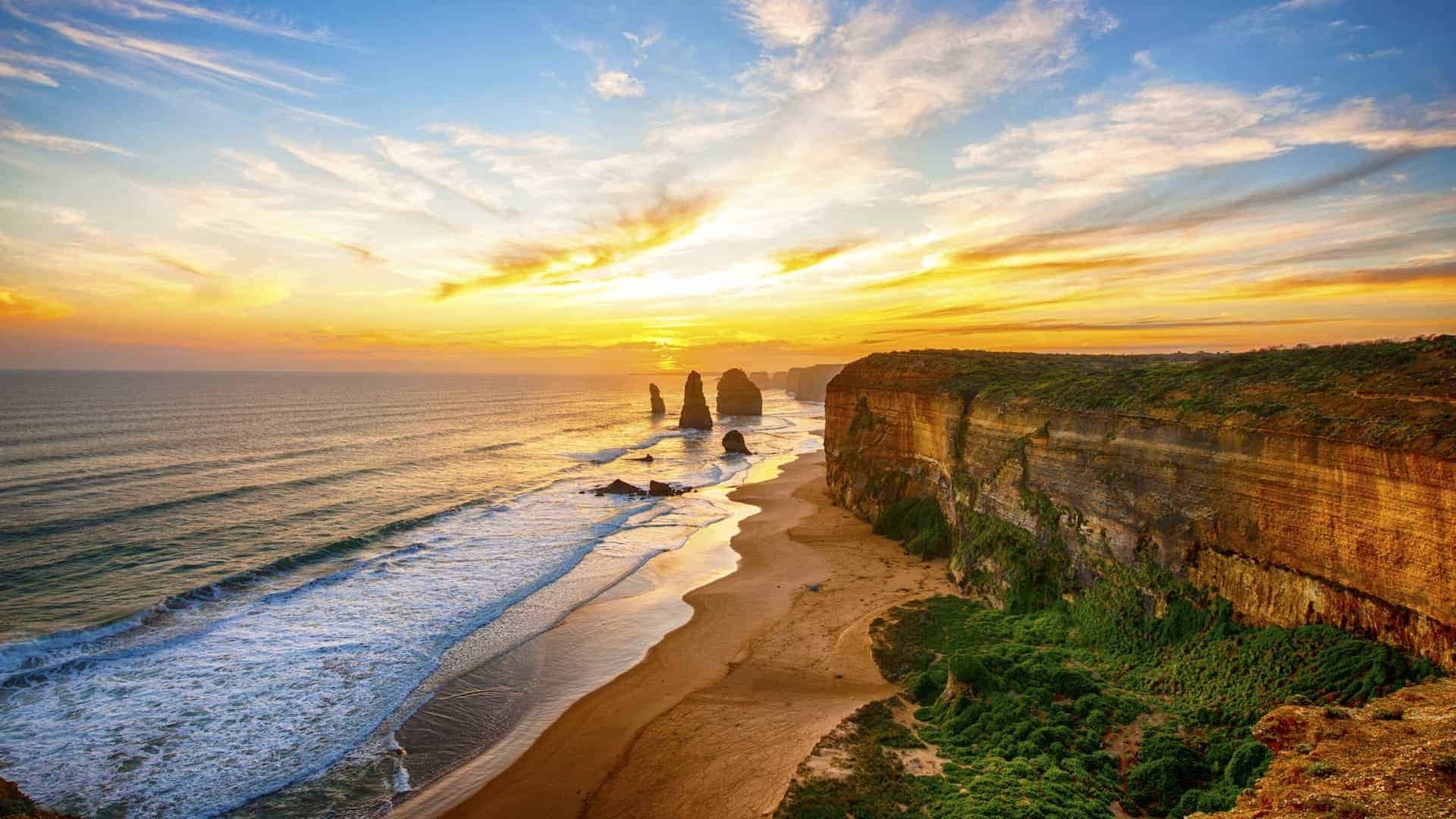
My Love Affair with Coastal Drives
There's something magical about driving along a coastal road – the smell of salt in the air, the sound of waves crashing against the shore, and the ever-changing views of the ocean stretching to the horizon. Over the past decade, I've driven more than 30,000 miles along coastal highways around the world, from the rugged cliffs of Ireland to the sun-drenched beaches of California.
This guide shares my personal favorite coastal drives, along with practical tips and recommendations based on years of experience. Whether you're planning a weekend getaway or a cross-country adventure, these scenic routes offer some of the most breathtaking views on the planet.
On some coastal routes, especially during peak season, the constant pull-offs and slow traffic can be mentally tiring. There were days when I drove less than 100 miles but felt completely exhausted. Not every viewpoint is worth stopping for. Some are overcrowded or poorly maintained, and part of the experience is learning when to keep driving.
This guide is updated periodically as road conditions, attractions, and local businesses change.
Who Should Embark on These Coastal Adventures?
- Road trip enthusiasts who love the freedom of the open road
- Photographers seeking stunning landscapes and seascapes
- Nature lovers who appreciate coastal ecosystems and wildlife
- Slow travelers who enjoy taking their time and exploring hidden gems
- Couples and families looking for memorable bonding experiences
Who Might Want to Consider Alternatives?
- Travelers with limited time who need to cover long distances quickly
- Those prone to car sickness (some coastal roads have winding sections)
- Travelers on a tight budget (some coastal areas have expensive accommodations)
- People who prefer structured tours over self-guided exploration
World's Most Breathtaking Coastal Drives
1. Ring of Kerry, Ireland
Stretching 179 kilometers along Ireland's southwest coast, the Ring of Kerry offers some of the most dramatic coastal scenery in Europe. The route takes you through charming villages, past pristine lakes, and along towering cliffs with panoramic views of the Atlantic Ocean.
Highlights: Killarney National Park, Muckross House, Skellig Michael (from a distance), Dingle Peninsula, and the Gap of Dunloe.
Best time to visit: May to September for mild weather, though the winter months offer dramatic storm views for the adventurous.
Local tip: Start early in the morning to avoid tourist buses, and allow at least a full day to complete the circuit at a leisurely pace.
Realistic note: The weather can change rapidly here – I've experienced all four seasons in a single day. Be prepared with waterproof clothing and flexible plans.
I wouldn't recommend this route for drivers who dislike narrow roads or heavy traffic, but for those who enjoy slow, scenic driving, it's unforgettable.
2. Pacific Coast Highway (Route 1), California, USA
One of America's most iconic road trips, California's Pacific Coast Highway stretches from Dana Point in Southern California to Leggett in the north, covering over 650 miles of stunning coastline.
Highlights: Big Sur, Bixby Creek Bridge, Pfeiffer Beach, Hearst Castle, Mendocino Coast, and the Redwood forests.
Best time to visit: April to June and September to October for fewer crowds and mild weather. Summer can be foggy along parts of the coast.
Local tip: Take the time to explore the many state parks along the route – they offer some of the best hiking trails and viewpoints.
Realistic note: Parts of the road can be narrow and winding, especially in Big Sur. Allow extra time for the journey, and be prepared for occasional road closures due to landslides.
I wouldn't recommend this route for drivers who need to reach their destination quickly, but for those who can embrace the journey and stop frequently to appreciate the views, it's one of the best coastal drives in the world.
3. Great Ocean Road, Australia
Australia's Great Ocean Road is a 243-kilometer stretch of road along the southeastern coast of Victoria, renowned for its stunning beaches, lush rainforests, and the iconic Twelve Apostles rock formations.
Highlights: Twelve Apostles, Loch Ard Gorge, Great Otway National Park, Bells Beach (famous surf spot), and the charming town of Lorne.
Best time to visit: November to February for warm weather, though the shoulder seasons offer fewer crowds and beautiful autumn/winter landscapes.
Local tip: Plan to spend at least two to three days on the Great Ocean Road to fully appreciate its beauty – rushing through in a single day will mean missing many highlights.
Realistic note: The road can be busy with tourist traffic, especially during peak season. Consider starting early or staying overnight in one of the coastal towns to avoid the crowds.
I wouldn't recommend this route for drivers who dislike sharing the road with tourist buses, but for those who appreciate a well-developed coastal drive with plenty of amenities, it's perfect.
4. Amalfi Coast Drive, Italy
Italy's Amalfi Coast Drive is a narrow, winding road that clings to the cliffs between Sorrento and Salerno, offering breathtaking views of the Mediterranean Sea and colorful cliffside villages.
Highlights: Positano, Amalfi, Ravello, Capri (via ferry), and the historic ruins of Pompeii.
Best time to visit: May-June and September-October for pleasant weather and fewer crowds. July-August is extremely hot and crowded.
Local tip: Consider using public transportation or hiring a driver for this route – the narrow, winding roads can be challenging for those unfamiliar with them.
Realistic note: Parking is extremely limited in the coastal towns, and traffic can be frustrating during peak season. Be prepared for slow going and have patience – the views are worth it!
I wouldn't recommend this route for drivers who are nervous about narrow, cliffside roads or hate searching for parking, but for those who can handle the challenges, it's one of the most scenic drives on the planet.
5. Atlantic Road, Norway
Norway's Atlantic Road (Atlanterhavsveien) is a 8.3-kilometer stretch of road that connects several small islands in the Norwegian Sea, featuring stunning bridges that appear to leap from one island to the next.
Highlights: Storseisundet Bridge (often called the "drunk bridge" due to its optical illusion), views of the North Atlantic, and nearby fishing villages.
Best time to visit: Summer for milder weather, but winter offers dramatic storm views (though the road can be closed during severe weather).
Local tip: Stop at the visitor center at each end of the road for information about the area's history and wildlife.
Realistic note: The weather can be harsh and unpredictable, even in summer. I've experienced strong winds and heavy rain that made driving challenging, but also created spectacular sea conditions.
I wouldn't recommend this route for drivers who are uncomfortable with unpredictable weather or short, intense drives, but for those who appreciate engineering marvels and dramatic coastal scenery, it's a must-see.
Practical Tips for Coastal Road Trips
Vehicle Preparation
- Choose the right vehicle: A comfortable car with good visibility is ideal. Consider an SUV or convertible for better views, but ensure it's suitable for winding roads.
- Check your vehicle: Before setting off, ensure your car is in good condition – check tires, brakes, oil, and fluid levels.
- Pack emergency supplies: Include a first aid kit, flashlight, jumper cables, tire repair kit, and extra water and snacks.
- Consider insurance: Make sure your rental car insurance covers all eventualities, especially if driving on narrow or challenging roads.
Route Planning
- Research in advance: Study maps, read travel blogs, and check road conditions before your trip.
- Allow extra time: Coastal drives are meant to be enjoyed, not rushed. Add 25-50% more time than Google Maps suggests.
- Plan for stops: Mark viewpoints, hiking trails, and interesting towns on your map before you go.
- Have backup plans: Weather can change quickly along the coast, so be prepared to adjust your route if needed.
Accommodation
- Book in advance: Popular coastal areas fill up quickly, especially during peak season.
- Consider unique stays: Look for boutique hotels, bed and breakfasts, or vacation rentals with ocean views.
- Mix it up: Combine luxury stays with more budget-friendly options to balance cost and comfort.
- Location matters: Staying in small towns along the route can provide a more authentic experience than larger tourist hubs.
Packing Essentials
- Weather-appropriate clothing: Layers are key, as coastal weather can be unpredictable.
- Sun protection: Sunscreen, sunglasses, and a hat are essential for long days in the sun.
- Waterproof gear: A rain jacket and umbrella are must-haves for coastal trips.
- Camera equipment: Don't forget extra batteries, memory cards, and a tripod for sunset shots.
- Navigation tools: While GPS is helpful, a physical map is essential in case of signal loss.
Sample Itineraries
Weekend Getaway: California's Big Sur
- Day 1: San Francisco to Big Sur (3-4 hours drive). Stop at Half Moon Bay, Santa Cruz, and Monterey along the way. Overnight in Big Sur.
- Day 2: Explore Big Sur – visit Pfeiffer Beach, hike in Pfeiffer Big Sur State Park, and drive to Hearst Castle. Overnight in Cambria.
- Day 3: Cambria to San Francisco via Highway 101 (4-5 hours drive), with stops in Carmel-by-the-Sea and Santa Cruz.
Week-Long Adventure: Ireland's Wild Atlantic Way
- Day 1-2: Dublin to Galway, exploring the east coast and Connemara.
- Day 3-4: Galway to Killarney, driving the Ring of Kerry.
- Day 5-6: Killarney to Cork, exploring the Dingle Peninsula and Skibbereen.
- Day 7: Cork back to Dublin, with stops in Waterford and Wexford.
Frequently Asked Questions
What's the best time of year for coastal drives?
The best time varies by region, but generally, spring and fall offer mild weather, fewer crowds, and beautiful seasonal changes. Summer is ideal for warm coastal areas, while winter can provide dramatic storm watching opportunities in more temperate regions.
How do I avoid motion sickness on winding coastal roads?
Choose a seat with the best visibility (front passenger seat), focus on the horizon, avoid reading or using screens, and consider over-the-counter motion sickness remedies if needed. Taking frequent breaks to get fresh air also helps.
Are coastal drives suitable for beginners?
Many coastal drives are suitable for beginners, but some (like the Amalfi Coast) can be challenging. Start with easier routes like California's Highway 1 between Santa Barbara and Monterey, or Australia's Great Ocean Road, which has wider lanes and better infrastructure.
What should I do in case of bad weather?
Check weather forecasts regularly, have alternative routes planned, and be prepared to stop and wait out severe weather if necessary. Many coastal areas have charming towns where you can wait for conditions to improve.
How can I make my coastal drive more sustainable?
Choose fuel-efficient vehicles, carpool when possible, respect wildlife and natural habitats, dispose of waste properly, and support local businesses rather than large chains. Consider offsetting your carbon emissions for longer trips.
Road conditions, access, and safety regulations can change. Always check local advisories before driving unfamiliar coastal roads.
Conclusion: The Joy of Coastal Road Trips
Coastal drives offer a unique blend of freedom, natural beauty, and discovery that few other travel experiences can match. Whether you're winding through the cliffs of Ireland, cruising along California's sun-drenched coast, or exploring Australia's Great Ocean Road, these journeys create memories that last a lifetime.
What makes coastal drives so special is the constant interplay between land and sea – the way the light changes over the water, the sound of waves crashing against the shore, and the unexpected discoveries around every bend. These routes connect us not just to stunning landscapes, but also to the communities that have thrived along these coastlines for centuries.
As someone who has spent countless hours behind the wheel on coastal highways around the world, I can attest that the best part of these journeys isn't just the destinations, but the journey itself. The spontaneous stops, the chance encounters with locals, and the quiet moments watching the sunset over the ocean – these are the experiences that make coastal road trips truly unforgettable.
About the Author
Emma Johnson is a long-time road trip enthusiast who has spent years exploring coastal highways around the world. Growing up in a family that loved to travel by car, she developed a passion for the open road at an early age.
Over the years, Emma has revisited many of the same coastal routes multiple times, noticing how seasons, weather, and tourism trends change the experience. For the past decade, she has been documenting her travels through photography and writing, focusing on sustainable travel practices and authentic local experiences. She has written for several regional travel publications and independent blogs, sharing practical advice and personal stories from her adventures.
When not on the road, Emma calls Portland, Oregon home, where she works as a freelance writer and teaches photography workshops. She believes that the best travel experiences come from slowing down, embracing the unexpected, and connecting with the people and places you encounter along the way.