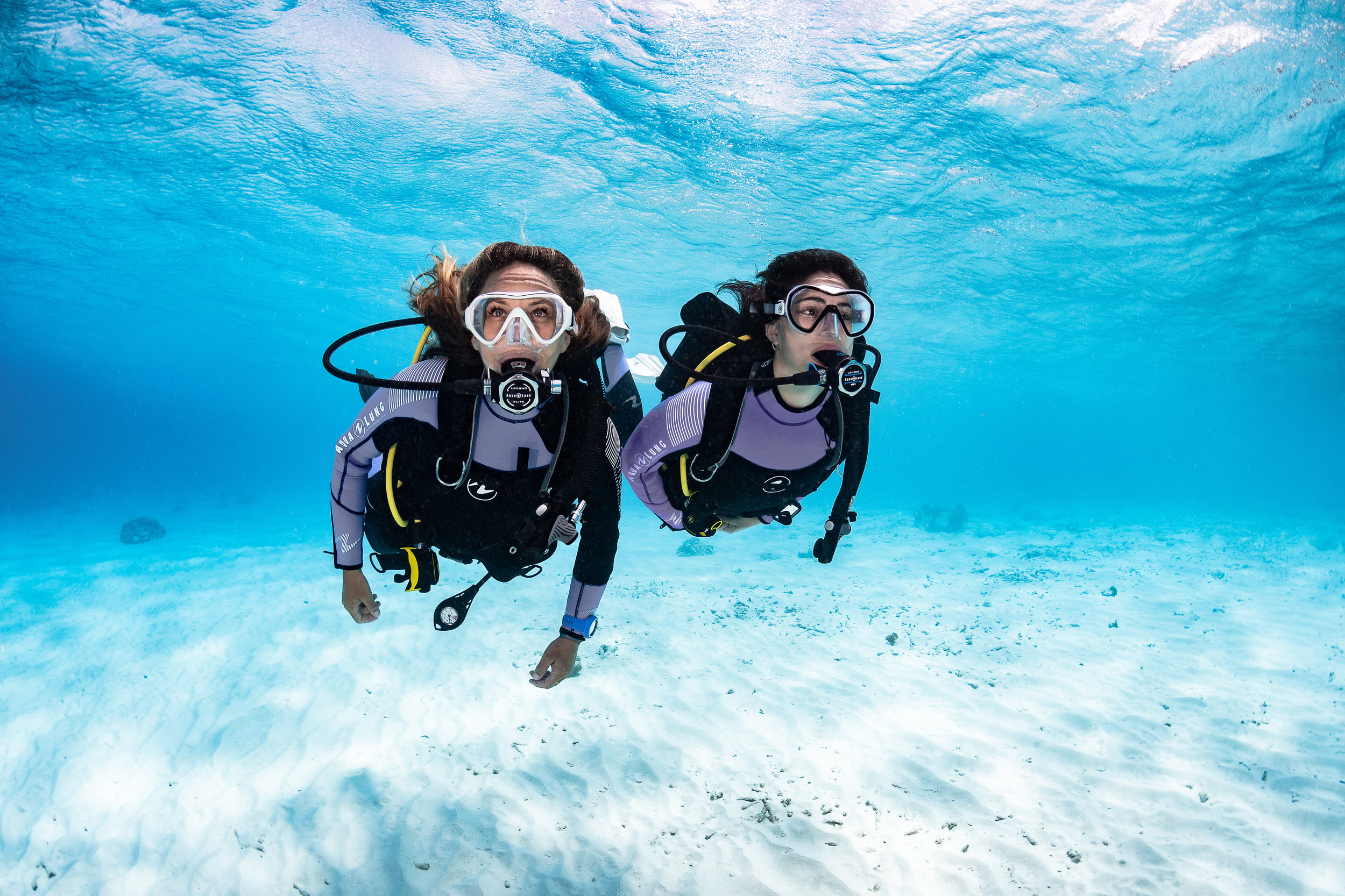
World's Largest Coral Reef System
Discover over 2,900 individual reefs and 900 islands stretching over 2,300 kilometers
Introduction to the Great Barrier Reef
The Great Barrier Reef is the world's largest coral reef system, stretching over 2,300 kilometers along Australia's northeast coast. This natural wonder is home to an incredible diversity of marine life, including thousands of species of fish, mollusks, sharks, sea turtles, and marine mammals. It's not only a UNESCO World Heritage Site but also one of the most popular diving destinations in the world.
Why Dive the Great Barrier Reef?
The Great Barrier Reef offers divers an unparalleled underwater experience:
- World's largest coral reef system with over 2,900 individual reefs
- Incredible biodiversity with thousands of marine species
- Excellent visibility often exceeding 30 meters
- Year-round diving opportunities
- Accessible dive sites for all skill levels
- Consistent warm water temperatures
Marine Life Encounters
Coral Species
The reef is home to over 400 species of hard and soft corals:
- Brain coral with intricate patterns
- Branching staghorn coral
- Plate and fan corals
- Sea fans and sea whips
- Colorful soft corals
Fish Species
Over 1,500 fish species inhabit the reef:
- Clownfish and anemones
- Parrotfish and angelfish
- Coral trout and cod
- Reef sharks and rays
- Murray cod and barramundi
Marine Mammals
Various marine mammals call the reef home:
- Dolphins and dugongs
- Humpback whales (migratory)
- Sea turtles and marine reptiles
- Whale sharks (seasonal)
Best Diving Locations
Cairns Region
The most popular diving area on the reef:
- Great Barrier Reef Marine Park access
- Outer reef diving sites
- Opal Reef and Flynn Reef
- Beginner to advanced dive sites
Whitsunday Islands
Protected waters ideal for diving:
- Heart Reef and Blue Pearl Bay
- Sheltered dive conditions
- Beautiful coral formations
- Ideal for snorkelers and beginners
Port Douglas
Premium diving experiences:
- Access to the far northern reefs
- Excellent coral diversity
- Larger pelagic species
- More pristine dive sites
Diving Conditions
Water Temperature
Water temperatures vary by season:
- Summer (Dec-Feb): 26-29°C (79-84°F)
- Autumn (Mar-May): 24-27°C (75-81°F)
- Winter (Jun-Aug): 22-25°C (72-77°F)
- Spring (Sep-Nov): 24-27°C (75-81°F)
Visibility
Excellent visibility conditions:
- Average visibility: 15-30 meters
- Best visibility: after calm weather
- Reduced visibility after storms
- Generally clearer in winter months
Weather Patterns
Seasonal considerations:
- Summer: More variable weather, potential storms
- Winter: More stable conditions
- Monsoon season: December to April
- Dive conditions suitable year-round
Diving Regulations and Permits
The Great Barrier Reef Marine Park has strict regulations:
- Reef entry fees required for divers
- Licensed dive operators mandatory
- Marine park zones and restrictions
- Environmental protection measures
- Coral touching and damage prohibited
Conservation Efforts
Protect Our Reef
The Great Barrier Reef faces challenges from climate change, pollution, and human activity. Divers play a crucial role in conservation through responsible diving practices and supporting conservation initiatives.
Major Threats
- Coral bleaching from warming waters
- Ocean acidification
- Coastal pollution and runoff
- Physical damage from anchors and contact
- Overfishing and unsustainable practices
How You Can Help
- Choose certified eco-friendly dive operators
- Practice reef-safe diving techniques
- Support coral restoration projects
- Reduce plastic use and waste
- Educate others about reef conservation
Essential Diving Gear
Required Equipment
- Mask, fins, and snorkel
- Wetsuit (5-7mm depending on season)
- BCD and regulator set
- Depth gauge and dive computer
- Dive knife and surface marker buoy
Recommended Additions
- Underwater camera for memories
- Dive light for cave exploration
- Gloves for reef-safe diving
- SPF protection for surface intervals
- First aid kit and emergency medications
Dive Sites for Different Skill Levels
Beginner Dive Sites
- Green Island (Cairns)
- Opal Reef shallow areas
- Lady Elliot Island (southern reef)
- Heron Island
Intermediate Dive Sites
- Flynn Reef
- Hardy Reef
- Yongala Wreck
- Cod Hole (with experienced guide)
Advanced Dive Sites
- Osprey Reef (far northern reefs)
- Ribbon Reefs
- Cave diving sites
- Deep wall dives
Diving Safety
Pre-Dive Safety
- Complete medical clearance
- Get proper dive training and certification
- Check equipment before every dive
- Plan dives and dive the plan
- Stay hydrated and rested
During the Dive
- Buddy system mandatory
- Monitor air supply regularly
- Ascend slowly with safety stops
- Respect marine life and reef
- Follow dive guide instructions
Emergency Procedures
- Know emergency contact numbers
- DAN emergency hotline: +61-7-3226 3911
- Nearest hyperbaric chamber locations
- Emergency evacuation procedures
- First aid and CPR certification recommended
When to Visit
Peak Season (June-October)
Optimal diving conditions:
- Excellent visibility (20-40m)
- Stable weather patterns
- Warmer water temperatures
- Higher prices and more crowds
Shoulder Season (November-December, March-May)
Good diving with fewer crowds:
- Decent visibility (15-30m)
- Moderate weather conditions
- Good value for money
- Some weather variability
Monsoon Season (January-March)
Challenging but rewarding:
- Lower visibility due to plankton blooms
- Stormy weather possible
- Lower accommodation prices
- Fewer divers and more availability
Accommodation Options
Dive Resorts
- Lady Elliot Island Resort
- Heron Island Resort
- Lizard Island Resort
- Orpheus Island Resort
Liveaboard Vessels
- Multi-day diving expeditions
- Access to remote dive sites
- All-inclusive packages
- Various vessel options available
Shore-Based Accommodation
- Cairns and Port Douglas hotels
- Whitsunday Islands resorts
- Day trip diving options
- Budget to luxury accommodations
Photography Tips
Equipment Considerations
- Underwater camera housing
- Wide-angle lens for reef landscapes
- Macro lens for small subjects
- Strobes for color correction
- Focus on battery life and memory
Composition Techniques
- Get close to subjects
- Use natural light when possible
- Focus on unique coral formations
- Capture marine life behavior
- Include divers for scale
Responsible Diving Practices
Reef-Safe Diving
- Never touch or stand on coral
- Maintain proper buoyancy control
- Use reef-safe sunscreen only
- Don't feed marine life
- Keep fins high off the bottom
Environmental Impact
- Choose eco-certified operators
- Participate in reef monitoring programs
- Support coral restoration efforts
- Minimize plastic waste
- Educate fellow divers
Planning Your Dive Trip
Choosing a Dive Operator
- Check operator certifications and reputation
- Compare vessel safety standards
- Review environmental practices
- Consider group sizes and guide experience
- Read recent customer reviews
Booking Tips
- Book peak season dives in advance
- Consider multi-day packages for better value
- Include equipment rental costs
- Check cancellation policies
- Verify dive insurance coverage
Conclusion
The Great Barrier Reef represents one of the world's most spectacular diving destinations, offering unparalleled underwater experiences in crystal-clear waters teeming with marine life. While the reef faces environmental challenges, responsible diving practices and conservation efforts help ensure future generations can enjoy this natural wonder.
Whether you're a beginner diver exploring your first coral garden or an experienced diver seeking encounters with pelagic species, the Great Barrier Reef offers something extraordinary for every underwater enthusiast. Plan your visit with respect for the marine environment, and you'll create memories that will last a lifetime while contributing to the conservation of this irreplaceable ecosystem.
Remember
We are privileged visitors to the Great Barrier Reef. Every dive is an opportunity to appreciate, learn, and contribute to the protection of this underwater paradise for future generations.