The First Thing That Shocked Me in the Sahara
The first thing that shocked me in the Sahara wasn't the heat — it was the silence. When the sun set behind the dunes near Merzouga, the world felt completely still. No cars, no phones, no distant conversations. Just the wind whispering across the sand and the occasional call of a desert fox.
I was three days into my first Sahara adventure, sitting by the fire with our Berber guide, Ahmed. He was brewing mint tea in a small metal pot over the embers. "The desert teaches you patience," he said, handing me a cup. "You cannot rush the Sahara."
That night, the temperature dropped to 5°C. Despite my thermal sleeping bag, I shivered uncontrollably. The cold had seeped into my bones during the day's journey, and now it was taking revenge. Ahmed noticed my teeth chattering and threw another blanket over me. "The desert gives and takes," he smiled.
Over the past five years, I've returned to the Sahara three times — twice to Morocco and once to Tunisia. Each visit has taught me something new about this unforgiving landscape. This guide is based on those experiences, the mistakes I've made, and the lessons I've learned the hard way.
Which Country Should You Choose?
The Sahara spans multiple countries, but they're not created equal for travelers. Here's my honest take:
- Morocco (My Top Recommendation for First-Timers): This is where I started, and I still believe it's the best introduction to the Sahara. The infrastructure is developed, the guides are professional, and the desert camps are relatively comfortable. I've done both budget and luxury tours here, and even the budget options provide basic amenities. The Erg Chebbi dunes near Merzouga are spectacular, and the journey from Marrakech through the Atlas Mountains adds beautiful variety to your trip.
- Tunisia (Good Alternative): I visited Tunisia last year and was pleasantly surprised. The desert is less crowded than Morocco, and the Star Wars filming locations near Tozeur are a unique draw. The camps here are more basic, but the experience feels more authentic. If you've already done Morocco and want something different, Tunisia is a solid choice.
- Algeria (Not Recommended for Most Travelers): While the Tassili n'Ajjer rock art is incredible and the landscape is dramatic, Algeria is challenging for most tourists. The visa process is complicated, the infrastructure is limited, and political instability makes travel risky. I've only visited once with an organized expedition group, and even then, we had several security concerns. Unless you're an experienced adventure traveler with specific interests in the region, I'd skip Algeria.
- Egypt (Only for Desert Safaris): The Egyptian Sahara offers completely different landscapes — the White Desert's chalk formations are otherworldly. However, these are typically day trips or overnight excursions from Cairo or Luxor, not immersive desert experiences. If you're already in Egypt for the pyramids, adding a desert safari is worth it. But I wouldn't travel to Egypt specifically for a Sahara experience.
- Mali (Skip for Now): Timbuktu is legendary, but security concerns and political instability make Mali unsafe for most travelers. I had to cancel a planned trip here in 2023 due to travel warnings, and the situation hasn't improved. Hopefully one day it will be safe to visit, but that day isn't here yet.
The Uncomfortable Truths About Desert Travel
Nobody talks about the uncomfortable parts of Sahara travel, but they're real. Here's what I've experienced:
- The Night Cold: I mentioned the 5°C nights, but it's worth emphasizing. The temperature drop is extreme — from 35°C during the day to near freezing at night. On my first trip, I didn't pack warm enough clothing and spent two miserable nights shivering. Now I bring thermal underwear, a warm hat, and gloves even in "warm" months.
- Sand Everywhere: And I mean everywhere. In your eyes, in your shoes, in your camera, in your food, in your sleeping bag. The fine Sahara sand is relentless. I've had sand in my eyes for days after a trip, and I've ruined a camera lens by not protecting it properly. Bring goggles, sealable bags for electronics, and accept that you'll be finding sand in your luggage months later.
- The Camel Reality: Everyone romanticizes camel treks, but the reality is physically demanding. Camels are uncomfortable to ride — their gait is jerky, and after an hour, your body will ache. More importantly, camels are working animals, and some tour operators don't treat them well. On my second trip, I refused to continue after seeing our camels being mistreated and walked the remaining distance. Choose your operator carefully.
- Hygiene Challenges: Desert camps have limited or no washing facilities. Wet wipes become your best friend. After three days without a proper shower, you'll feel grimy. The toilets are basic holes in the ground, and privacy is minimal. If you're particular about hygiene, this will be challenging.
- The Physical Toll: Even if you're not actively trekking, the desert environment is exhausting. The heat, the dry air, the constant wind — it wears you down. I've seen energetic travelers become lethargic after just one day. Pace yourself and stay hydrated — dehydration is a real risk here.
Who Should NOT Visit the Sahara
The Sahara is incredible, but it's not for everyone. Be honest with yourself:
- Young Children: I've seen families with young kids in the desert, and it rarely goes well. The heat, the limited facilities, the long travel times — children struggle. Unless your kids are unusually resilient and you're prepared for a challenging experience, wait until they're older.
- People with Heart or Lung Conditions: The desert environment is physically demanding. The heat, the dry air, the physical exertion — these can be dangerous for people with cardiovascular or respiratory issues. Consult your doctor seriously before considering this trip.
- Budget Travelers: While there are budget options, the Sahara is inherently expensive to reach and explore. Even the most basic tours cost money, and getting to Morocco or Tunisia isn't cheap. If you're counting every penny, this might not be the right adventure for your budget.
- Luxury Travelers: If you need five-star hotels, fine dining, and constant comfort, the Sahara will disappoint you. Even the "luxury" desert camps are basic compared to hotels. The experience is about roughing it — if that's not appealing, this isn't your trip.
- People Who Can't Handle Extreme Environments: The Sahara is an extreme environment. Extreme heat, extreme cold, extreme isolation. If you're someone who needs constant stimulation, can't handle discomfort, or gets anxious in remote places, you'll be miserable here.
Types of Sahara Adventures
There are several ways to experience the Sahara, each with its own character:
- Camel Treks (My Favorite): The traditional way to explore the desert, typically including overnight stays in nomad camps. This is how I experienced the Sahara my first time, and it remains my preferred method. The pace is slow, you're close to the ground, and the connection to traditional desert life is authentic. Just be prepared for the physical discomfort I mentioned earlier.
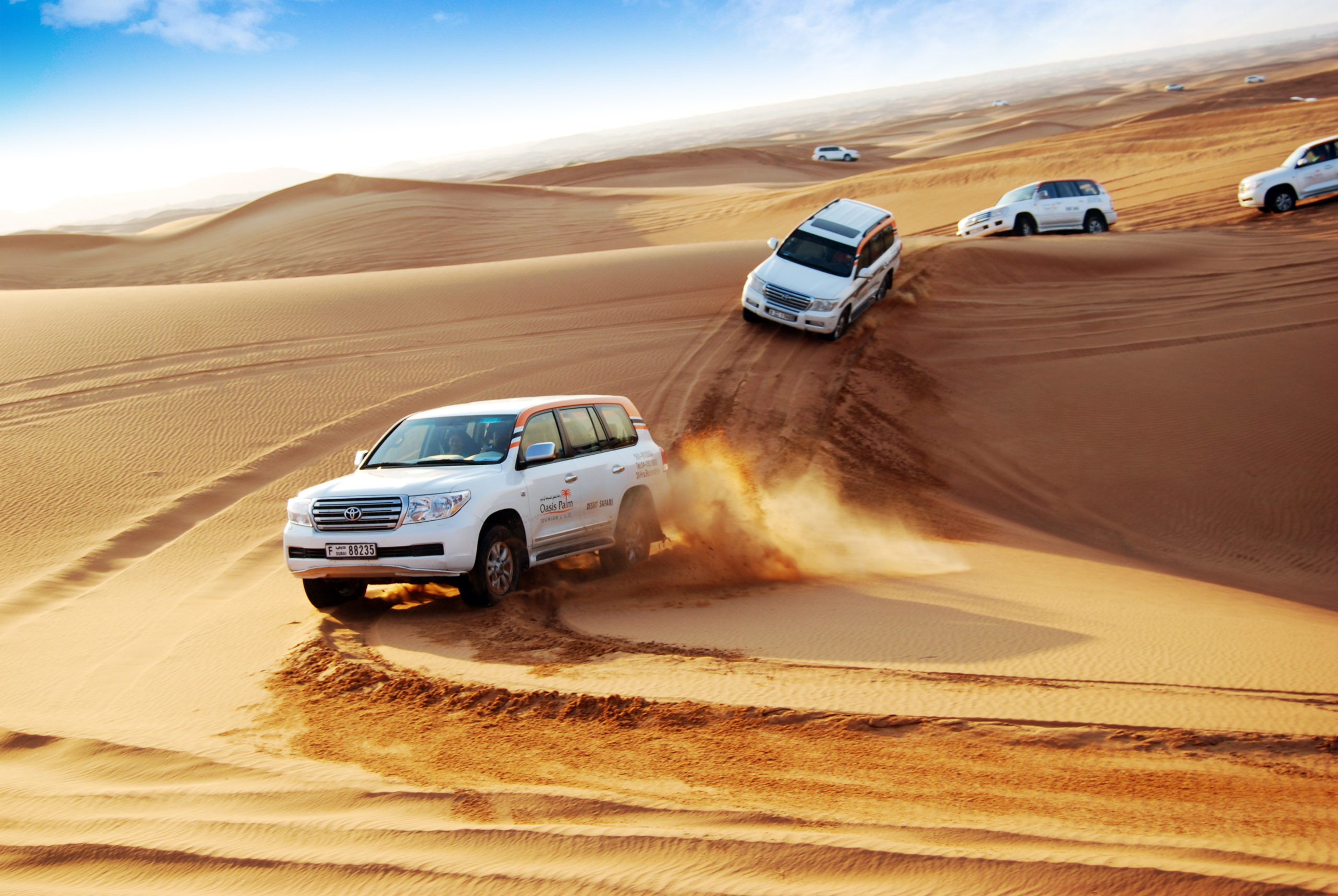
- 4x4 Safaris: Fast-paced adventures across the desert in a four-wheel drive vehicle. I did this in Tunisia and enjoyed covering more ground, but you miss the intimate connection to the landscape. Good if you have limited time or want to see more varied terrain.
- Desert Camping: Spending the night under the stars in a desert camp. This is usually part of other adventures, but some operators offer pure camping experiences. The night sky in the Sahara is unlike anywhere else — I've never seen so many stars. Just bring warm clothes!
- Hiking: Exploring the desert on foot, often with a guide. I attempted a half-day hike in Morocco and was humbled by how challenging it is. The sand is soft and exhausting to walk in, and the heat is intense. Only attempt this if you're very fit and acclimated.
- Cultural Tours: Learning about the local nomadic cultures and traditions. This is often integrated into other adventures. The Berber guides I've met have incredible knowledge and stories. If you're interested in culture, ask lots of questions — they love sharing their heritage.
Best Time to Visit
The timing of your Sahara trip matters more than you might think:
- October to March (My Recommendation): This is the sweet spot — comfortable daytime temperatures and bearable nights. I've visited in November, February, and March, and all were excellent. The days are warm but not oppressive, and while the nights get cold, it's manageable with proper gear.
- April to May (Transitional): The weather is warming up, and crowds are still thin. I visited in April one year and had good weather, but the nights were already getting quite cold. If you go during this period, pack for colder nights than you expect.
- June to September (Avoid if Possible): This is peak summer, and the heat is brutal. Daytime temperatures regularly exceed 45°C, and the heat can be dangerous. I made the mistake of visiting in July once, and it was miserable — we spent most of the day in shade, barely moving. Unless you're extremely heat-tolerant, avoid these months.
Top Attractions
These are the Sahara experiences that have stayed with me:
- Erg Chebbi (Morocco): Famous for its towering sand dunes (up to 150 meters high). This was my first Sahara experience, and it set the bar high. The sunrise over these dunes is something I'll never forget. Just be prepared for the crowds — this is the most popular Sahara destination.
- Merzouga (Morocco): The gateway town to Erg Chebbi and a fascinating place in itself. The ancient ksar (fortified village) is worth exploring, and the market is colorful and chaotic. I always spend a full day here before heading into the desert.
- White Desert (Egyt): Otherworldly chalk rock formations that look like alien landscapes. I visited this as a day trip from Cairo and was blown away by how different it is from the sand dunes. If you're in Egypt, don't miss it.
- Tozeur (Tunisia): Known for its desert oasis and Star Wars filming locations. The oasis here is genuinely beautiful — palm trees, natural springs, a stark contrast to the surrounding desert. The Star Wars sets are fun to see, even if you're not a fan.
- Tassili n'Ajjer (Algeria): Incredible ancient rock art dating back thousands of years. I only saw this once on that challenging Algeria trip, but the petroglyphs are remarkable. Just remember the security concerns I mentioned earlier.
Essential Gear for the Sahara
What you pack can make or break your trip. Here's what I've learned:
- Clothing: Layers are everything. Light, long-sleeved shirts and pants for sun protection during the day. Warm thermal layers, hat, and gloves for freezing nights. I made the mistake of underpacking warm clothes my first trip and suffered for it.
- Footwear: Comfortable, closed shoes that you don't mind getting sandy. Sandals are a bad idea — the sand will rub your feet raw. I wear lightweight hiking boots and accept they'll never be completely clean again.
- Eye Protection: This is non-negotiable. Sunglasses with full UV protection and goggles for sandstorms. I've had sand in my eyes for days after not wearing goggles during a windy period. It's miserable.
- Sleeping Gear: A quality sleeping bag rated for cold temperatures. Even in "warm" months, the nights get cold. I use a -10°C rated bag and have been comfortable. Also bring a sleeping bag liner for hygiene.
- Hydration: More water than you think you need. Dehydration is a real risk in the desert. I bring at least 3 liters per day and drink constantly. Electrolyte tablets are also smart — the heat and exertion will deplete you.
- Sun Protection: High SPF sunscreen, lip balm, and a wide-brimmed hat or scarf. The desert sun is intense and unforgiving. I've seen travelers get severe sunburn in just a few hours.
For a comprehensive packing list that covers everything you'll need for your desert adventure, check out my ultimate packing list to make sure you don't forget anything important.
Safety and Health Considerations
The Sahara presents unique challenges:
- Stay Hydrated: I can't stress this enough. Drink water constantly, even if you don't feel thirsty. By the time you feel thirsty, you're already dehydrated. I've seen travelers get sick from dehydration, and it's not pleasant in the middle of the desert.
- Protect Against the Sun: Seek shade during the hottest part of the day (usually 11am to 3pm). Cover your skin, wear a hat, and reapply sunscreen regularly. Heat exhaustion and heatstroke are real risks.
- Travel Insurance: Desert adventures can be remote, and medical evacuation is expensive. Make sure you have comprehensive travel insurance that covers medical evacuation. I've never needed it, but I wouldn't go without it.
- Follow Your Guide: Your guide knows the desert better than you do. If they say to avoid an area, or to drink more water, or to rest — listen to them. I once ignored a guide's advice about a dune being unstable and got stuck in soft sand for an hour.
- Emergency Communication: Most desert areas have no cell service. Your guide will have emergency communication equipment, but let someone at home know your itinerary and expected return date.
Lessons I've Learned the Hard Way
The Sahara has taught me more than just travel tips — it's taught me about myself:
- Respect the Environment: The desert ecosystem is fragile. I've seen too many travelers leave trash or damage the landscape. Pack out everything you bring in. The desert doesn't forgive, and it doesn't forget.
- Patience is Mandatory: You cannot rush the Sahara. Things take longer than expected — journeys, meals, setting up camp. Accept this and relax. The desert operates on its own timeline.
- Disconnect to Reconnect: There's no WiFi, no cell service, no distractions. This is a feature, not a bug. Embrace the disconnection. I've had some of my most profound thoughts watching the desert sunset with no digital distractions.
- The Desert Changes You: Something about the vast emptiness and extreme conditions shifts your perspective. I've returned from every Sahara trip feeling different — more patient, more appreciative of simple comforts, more aware of my place in the world.
- It's Worth the Discomfort: Despite everything I've said about the cold, the sand, the physical toll — I keep going back. The Sahara offers something you can't get anywhere else. The discomfort is the price of admission.
Conclusion
My first night in the Sahara, lying on the sand looking up at more stars than I'd ever seen, I understood why people are drawn to this place. There's something profound about being in a landscape so vast and ancient that your daily concerns feel insignificant.
The Sahara isn't for everyone. It's uncomfortable, challenging, and at times miserable. But it's also beautiful, humbling, and transformative in ways that comfortable destinations never are.
If you're considering a Sahara adventure, go in with your eyes open. Understand the discomforts, respect the environment, and prepare properly. The Sahara will test you, but if you approach it with the right mindset, it might just change you.
Author Bio
Lisa Anderson has traveled to the Sahara Desert three times over the past five years — twice to Morocco (including both budget and luxury tours) and once to Tunisia. She's experienced everything from camel treks and desert camping to 4x4 safaris and cultural tours with Berber nomads. Lissa writes about Sahara adventures to help travelers understand both the magic and the reality of desert travel, drawing from her own mistakes and successes. Her most memorable Sahara moment? Watching the sunrise over the Erg Chebbi dunes on her first trip, realizing that the silence she'd found was more precious than any photo she could take.