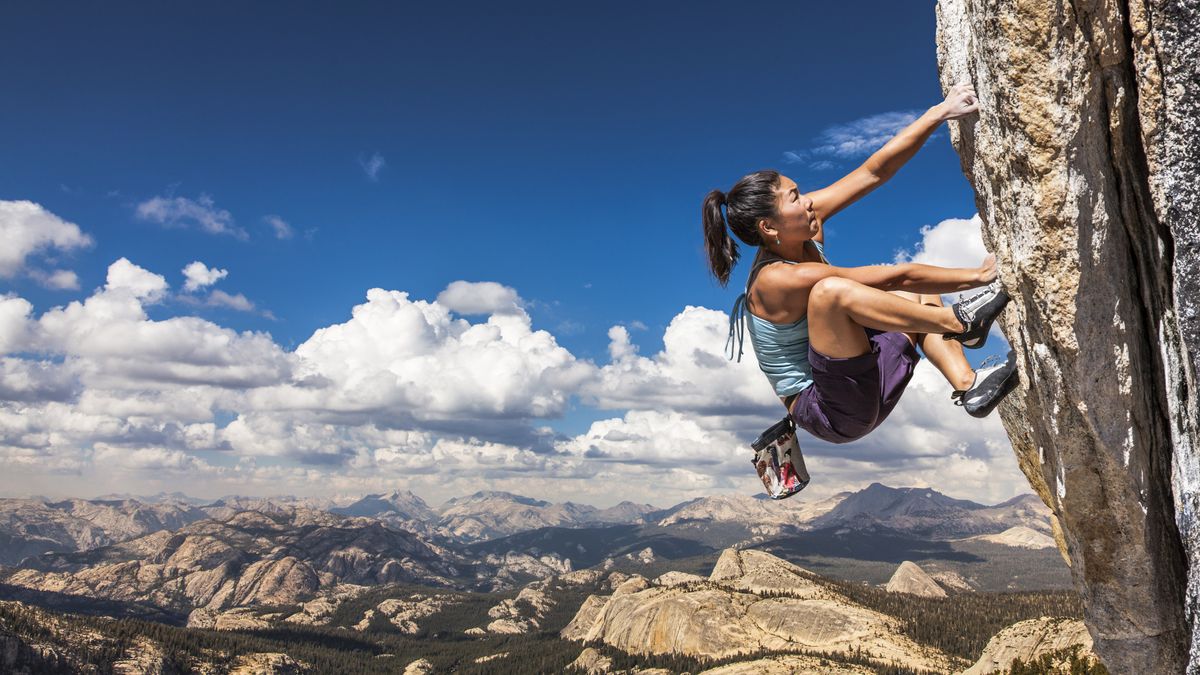
My First Yosemite Summit: Lessons From the Rock
Standing at the base of Lower Cathedral Rock, my hands sweating through my chalk bag, I stared up at the route that would become my first Yosemite summit. It was a warm June morning, and the valley below was already bustling with climbers. I'd driven 8 hours from San Francisco with my climbing partner, Jake, full of excitement and just a little bit of fear.
As I clipped my first bolt, my foot slipped on a small hold, and I let out a yelp. Jake laughed from the ground, "Welcome to Yosemite granite! It's slicker than it looks." That day, I learned more about climbing in 4 hours than I had in months of gym climbing. By the time I reached the summit and looked out over the valley, I was hooked.
Over the past decade, I've returned to Yosemite countless times, climbing everything from beginner routes to challenging multi-pitch classics. This guide is based on those experiences, the lessons I've learned the hard way, and the advice I wish someone had given me before my first trip.
Types of Climbing in Yosemite
Yosemite offers several types of climbing, each with its own unique challenges and rewards:
- Trad Climbing: Traditional climbing, where you place your own protection as you ascend. This is what Yosemite is famous for. I remember my first trad lead here – my hands were shaking so much I could barely place a cam. It took me three tries to get it right, but that sense of self-reliance is what keeps me coming back.
- Sport Climbing: Climbing on routes with pre-placed bolts for protection. While not as prevalent as trad climbing, there are some excellent sport routes, especially for beginners. The Bolt Ladder on Lower Cathedral Rock was my first Yosemite sport route, and it's still one of my favorites for introducing new climbers to the area.
- Bouldering: Climbing on large boulders, typically without ropes. The bouldering in Yosemite Valley is world-class, but the granite can be unforgiving. I've had my share of scrapes and bruises from falls here – always bring crash pads and climbing partners.
- Big Wall Climbing: Multi-pitch climbing on large cliffs, often taking several days to complete. I've only attempted one big wall (the Nose on El Capitan) and we bailed after the third pitch. It's humbling how quickly the valley can feel remote when you're 500 feet off the ground.
Best Climbing Areas in Yosemite
Yosemite has dozens of climbing areas, but these are my personal favorites:
- El Capitan: The world's largest granite monolith, famous for its big wall routes. Even if you're not ready to climb it, watching climbers scale its 3,000-foot face is awe-inspiring. I still stop and stare every time I pass by.
- Half Dome: An iconic granite dome with challenging routes to the summit. The Regular Northwest Face was one of my most challenging climbs, but reaching the top and seeing the cables leading to the summit was unforgettable.
- Sentinel Rock: Home to several classic trad routes. The Nutcracker was the first 5.10 I led, and I still remember the feeling of accomplishment when I pulled the crux move.
- Tuolumne Meadows: Known for its high-altitude granite domes and excellent crack climbing. The climbing here feels more remote than the valley, and the views are spectacular. Just be prepared for sudden weather changes – I've been caught in thunderstorms here more than once.
- Wawona: Offers beginner-friendly routes and bouldering opportunities. This is where I take new climbers – the routes are well-bolted and the atmosphere is relaxed.
Routes for Every Skill Level
Yosemite has routes for climbers of all skill levels, but some are better than others:
- Beginner: Easy routes with good protection, such as the 'Bolt Ladder' on Lower Cathedral Rock. This was my first outdoor lead, and it's perfect for building confidence. Just watch out for the polished holds near the top – they're slippery when it's warm.
- Intermediate: More challenging routes with technical sections, such as 'Royal Arches' on North Dome. This 16-pitch classic was my first multi-pitch climb. The exposure is breathtaking, but the protection is good. Bring plenty of water – it's longer than it looks.
- Advanced: Technical routes with difficult moves, such as 'The Nose' on El Capitan. I've only attempted the first few pitches, but even that was enough to respect the challenge. If you're considering this route, make sure you're well-prepared – it's a serious undertaking.
- Expert: Extreme routes that require advanced skills and experience, such as 'Free Rider' on El Capitan. I've watched climbers on this route from the valley floor, and it's incredible to see what the human body is capable of.
Climbing Season
The best time to climb in Yosemite depends on the area and what you're looking for:
- Spring (April-June): Perfect for the valley – mild temperatures and blooming wildflowers. This is my favorite time to climb here. Just be prepared for occasional rain showers, especially in April.
- Summer (July-August): Hot in the valley, but great for Tuolumne Meadows. The valley can reach 100°F, making climbing uncomfortable. I've bailed on valley routes mid-summer because it was too hot to grip the rock.
- Fall (September-October): Another great time for the valley – cooler temperatures and fewer crowds. This is when I do most of my serious climbing. The light in late October is especially beautiful.
- Winter (November-March): Quiet in the valley, but cold. Some routes stay dry, but you'll need warm clothing. I've climbed here in January – it's magical with snow on the surrounding peaks, but your fingers will get cold quickly.
Essential Gear for Yosemite Climbing
What you need depends on what you're climbing, but here's what I never leave home without:
- For Trad Climbing: A full rack of cams (from 0.1 to 4), nuts, slings, and quickdraws. I made the mistake of not bringing enough small cams on my first trad lead here – I had to run it out on a section that made my heart race.
- For Sport Climbing: 12-15 quickdraws, a harness, helmet, and chalk bag. The bolts can be spaced farther apart than you're used to in gyms, so don't skimp on quickdraws.
- For Bouldering: Crash pads, climbing shoes, chalk, and a brush for cleaning holds. Yosemite granite gets polished, so a brush is essential for removing chalk buildup.
- General Gear: A first aid kit, headlamp (even for day climbs – things can take longer than expected), water bottle, and snacks. I always bring more water than I think I'll need – dehydration is a real risk here.
For a comprehensive packing list that covers everything you'll need for your climbing trip, check out my ultimate packing list to make sure you don't forget anything important.
Lessons I've Learned the Hard Way
Yosemite has taught me more than just climbing techniques – it's taught me humility and respect for the mountains:
- Respect the Weather: I've been caught in sudden thunderstorms more times than I care to admit. Always check the forecast, and have a plan to bail if the weather turns.
- Don't Underestimate Route Length: Yosemite routes often feel longer than their rated length. I've run out of water on several climbs because I didn't bring enough.
- Listen to Locals: Park rangers and local climbers have invaluable knowledge. I once ignored a ranger's advice about a route being wet and spent hours on a slippery, miserable climb.
- Leave No Trace: Yosemite is a national park, and we all have a responsibility to protect it. I've seen too many climbers leave trash or chalk marks everywhere. Pack out everything you bring in.
- Know Your Limits: The biggest mistake I ever made was trying a route that was beyond my ability. I ended up hanging on the rope for hours, exhausted and scared, before Jake could come up and help me down.
Who Should Visit Yosemite for Climbing
Yosemite is for everyone, but some people will enjoy it more than others:
- For Beginners: Start with the easier routes in Wawona or on Lower Cathedral Rock. Take a guide if it's your first time outdoors – they'll teach you about the unique challenges of Yosemite granite.
- For Intermediate Climbers: This is where Yosemite really shines. There are dozens of classic routes that will challenge you without being overwhelming.
- For Advanced Climbers: The big walls and challenging trad routes will keep you busy for years. Just remember that even the best climbers have bad days here.
- For Non-Climbers: Even if you don't climb, Yosemite is worth visiting for the scenery alone. The view of El Capitan from Tunnel View is one of the most iconic in America.
Planning Your Trip
Planning a climbing trip to Yosemite requires some advance preparation:
- Permits: You'll need a wilderness permit for overnight climbs. These can be hard to get, especially in peak season. Apply early – I usually apply 6 months in advance for summer trips.
- Accommodation: The valley fills up quickly, especially in summer. I prefer camping – the Upper Pines campground is closest to the climbing areas. If you can't get a campsite, consider staying in El Portal or Mariposa.
- Food: The valley has grocery stores, but they're expensive. I usually bring most of my food from home. There's nothing better than a cold beer and a hot meal at the Yosemite Lodge after a long day of climbing.
- Transportation: Once you're in the valley, everything is close enough to walk or bike. I bring a bike every time – it's the easiest way to get around.
Conclusion
Yosemite isn't just a climbing destination – it's a place that changes you. The first time I stood on top of a Yosemite summit and looked out over the valley, I felt a sense of accomplishment that I've never felt anywhere else.
Over the years, I've had my share of successes and failures here. I've sent routes that I never thought I could climb, and I've bailed on routes that were beyond my ability. But every time I leave, I'm already planning my next trip.
Whether you're a beginner looking to try outdoor climbing for the first time or an expert seeking to test your limits on El Capitan, Yosemite has something for you. Just remember to respect the mountains, know your limits, and enjoy the journey – the summit is just the cherry on top.
Author Bio
Sarah Thompson has been climbing for over 15 years, with more than 20 trips to Yosemite National Park. She's climbed everything from beginner routes to challenging multi-pitch classics, and has led climbing trips for beginners and intermediate climbers. Sarah writes about climbing to share her passion and help others discover the joy of outdoor climbing. When she's not in Yosemite, you can find her climbing in the Sierra Nevada or teaching climbing classes at her local gym. Her favorite Yosemite memory? Standing on top of Half Dome at sunrise after a 12-hour climb, watching the first light hit El Capitan.