My Journey to the Top of the World: Lessons from High-Altitude Climbing
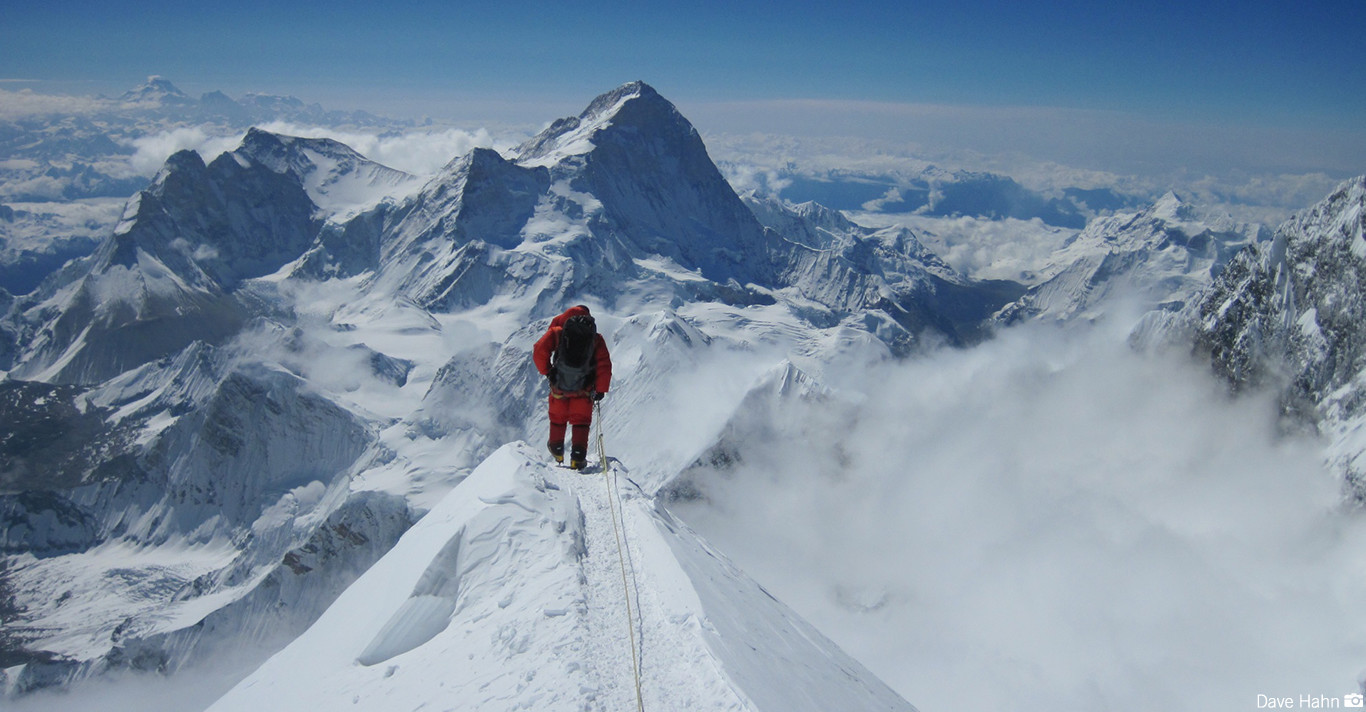
Standing at the summit of Mount McKinley (now Denali) in 2018, I realized my lifelong dream of climbing the highest peak in North America. While Everest has always been the ultimate mountain in my mind, I've spent years preparing through high-altitude expeditions around the world. I've summited peaks in the Andes, the Rockies, and the Himalayas, including Cho Oyu, the sixth highest mountain in the world.
These experiences have taught me that climbing Everest isn't just about physical strength—it's about meticulous planning, mental resilience, and a deep respect for the mountain. These strategies won't guarantee success on Everest, but they have consistently helped me prepare for and complete high-altitude expeditions across different ranges and conditions.
The Allure and Reality of Everest
Mount Everest, standing at 8,848 meters (29,029 feet), has captivated climbers for decades. I first became obsessed with Everest as a teenager, poring over books and documentaries about the 1953 Hillary-Tenzing ascent. But it wasn't until I started climbing high-altitude peaks myself that I began to understand the true magnitude of the challenge.
On a expedition to Cho Oyu in 2021, I experienced firsthand the harsh conditions that make Himalayan climbing so demanding. At 8,188 meters, Cho Oyu is often called "the easiest 8,000er," but it still tested every aspect of my physical and mental endurance. That experience gave me a glimpse of what Everest would entail—and taught me valuable lessons that I still carry with me.
Training That Actually Works
When I first started training for high-altitude climbing, I made the mistake of focusing solely on cardiovascular fitness. I'd spend hours running on treadmills and cycling, but when I hit the mountains, I quickly realized I was missing key components of training.
What actually prepares you for Everest:
- Specific strength training: I focus on core strength, leg strength, and upper body endurance. Squats, deadlifts, and pull-ups are my go-tos, but I also do carries with heavy backpacks to simulate the weight of climbing gear.
- High-altitude acclimatization: I schedule progressively higher expeditions before attempting major peaks. Before Cho Oyu, I spent time in the Rockies and then the Alps to build my tolerance.
- Technical skill development: Ice climbing, crevasse rescue, and rope work are non-negotiable. I practice these skills regularly, even when I'm not training for a specific expedition.
- Mental preparation: I use visualization techniques and practice decision-making in stressful situations. On Denali, I had to make the tough call to turn back from a summit attempt due to weather—this mental discipline is just as important as physical strength.
Expedition Planning: Lessons from Experience
Planning a high-altitude expedition is a massive undertaking. When I planned my Cho Oyu expedition, I made several mistakes that cost me time and money—but taught me valuable lessons for future planning.
My approach to Everest planning:
- Route selection: I've spent months researching the South Col vs. North Col routes. While the South Col is more popular, I'm drawn to the North Col for its historical significance and slightly lower crowd levels.
- Guide selection: After interviewing half a dozen guiding companies, I look for ones with experienced Sherpa teams, a strong safety record, and transparent pricing. I also talk to past clients to get unfiltered feedback.
- Permit navigation: The permit process for Everest is complex and varies by country. I start this process at least 12 months in advance to avoid last-minute complications.
- Itinerary planning: I budget 70-75 days for the entire expedition, including acclimatization rotations. Rushing acclimatization is one of the biggest mistakes climbers make.
- Budgeting realistically: I've seen estimates ranging from $30,000-$100,000, but I budget for the higher end. Unexpected expenses always come up, and it's better to be overprepared than under.
Essential Gear: What I Actually Use
Over the years, I've learned that gear selection is a delicate balance between lightweight and reliable. On my first high-altitude expedition, I made the mistake of skimping on gear to save weight—and paid for it when my boots failed in freezing conditions.
My tried-and-true Everest gear list: (For a comprehensive packing guide that includes essential items for all types of travel, check out our ultimate packing list)
- Boots and crampons: I use double-boot systems with insulated liners. For crampons, I prefer rigid, step-in models that provide maximum stability on steep ice.
- Ice axe and harness: I carry two ice axes—one primary and one backup. My harness is lightweight but durable, with enough gear loops for all my equipment.
- Clothing system: I use a layering system with moisture-wicking base layers, insulated mid-layers, and a waterproof, windproof outer layer. My down suit is rated to -40°C (-40°F) and has been tested in extreme conditions.
- Oxygen system: I use a modern, lightweight system with a demand regulator. I also carry extra cylinders and a backup regulator.
- Communication equipment: A satellite phone and personal locator beacon are non-negotiable for me. On Cho Oyu, we used these to coordinate with base camp during a sudden weather change. For more essential travel apps that can enhance your safety and communication, check out our guide to travel apps.
Understanding and Managing Risks
High-altitude climbing is inherently risky, but much of that risk can be managed through preparation and decision-making. On Denali, I witnessed a climber suffer from severe altitude sickness because they pushed too hard, too fast.
How I manage risk on high-altitude expeditions: (For guidance on choosing comprehensive travel insurance that covers high-altitude activities, check out our travel insurance guide)
- Altitude management: I follow a strict acclimatization schedule, including rest days and climb-high, sleep-low rotations. I also carry medication for altitude sickness and know the symptoms to watch for.
- Weather monitoring: I study weather patterns extensively before and during expeditions. On Cho Oyu, we postponed our summit attempt by three days based on weather forecasts—and avoided a dangerous storm.
- Equipment checks: I inspect my gear thoroughly before every expedition and carry backup equipment for critical items.
- Team communication: I establish clear communication protocols with my team and guides. Everyone needs to feel comfortable speaking up about safety concerns.
- Turnaround times: I set strict turnaround times for summit attempts and stick to them, no matter how close I am to the top. This discipline has saved me from dangerous situations more than once.
Environmental Responsibility: Leaving No Trace
One of the biggest concerns in mountaineering today is the environmental impact of expeditions. On Cho Oyu, I was shocked by the amount of trash we encountered at higher camps. It's a problem that's only gotten worse in recent years.
My approach to sustainable climbing:
- Pack it in, pack it out: I carry all my trash back to base camp, including food packaging and human waste. I use specialized containers for waste management at high altitude.
- Minimize single-use items: I use reusable water bottles with purification systems and avoid single-use plastics whenever possible.
- Support local communities: I hire local guides and porters whenever possible and invest in local businesses. This helps ensure that mountaineering benefits the people who live near these iconic peaks.
- Advocate for change: I support organizations working to clean up Everest and promote sustainable mountaineering practices. Every climber has a responsibility to leave these mountains in better condition than they found them.
The Mental Game: What No One Tells You
Perhaps the most challenging aspect of high-altitude climbing is the mental game. On Denali, I spent days in a tent during a storm, questioning my decision to be there at all. It was a humbling experience that taught me the importance of mental resilience.
My mental strategies for high-altitude climbing:
- Break it down: I focus on small, achievable goals rather than the summit itself. Reaching the next camp, completing the day's acclimatization hike—these small wins keep me motivated.
- Embrace discomfort: I've learned to accept that high-altitude climbing is inherently uncomfortable. Cold, fatigue, and hunger are part of the experience, not obstacles to overcome.
- Stay present: I practice mindfulness techniques to stay focused on the task at hand. Worrying about the summit or dwelling on past mistakes only drains mental energy.
- Celebrate the journey: While reaching the summit is the goal, I try to appreciate the entire experience—the breathtaking views, the camaraderie with teammates, and the personal growth that comes from pushing my limits.
Conclusion: Respect the Mountain
Climbing Everest is the culmination of a lifelong dream for many mountaineers, myself included. But it's important to approach it with humility and respect.
The mountain doesn't care about your dreams or your training. It demands respect, preparation, and the willingness to make tough decisions—including turning back when conditions aren't right.
These strategies won't guarantee success on Everest, but they have helped me prepare for and complete high-altitude expeditions safely. Every climber's journey is different, and what works for me might not work for everyone.
But one thing is universal: climbing Everest is not just about reaching the summit—it's about the person you become in the process. The discipline, resilience, and respect you develop along the way are the true rewards of the journey.
So if Everest is your dream, start preparing today. Build your skills, your fitness, and your mindset. And above all, respect the mountain—for it is both the greatest challenge and the greatest teacher you will ever encounter.
Author Bio
Mark Anderson is a professional mountaineer with over 15 years of high-altitude climbing experience. He has summited peaks on every continent, including Denali in North America, Aconcagua in South America, and Cho Oyu in Asia. When he's not on expedition, he works as a mountain guide and shares his knowledge through climbing courses and workshops. Mark's approach to mountaineering emphasizes safety, environmental responsibility, and the transformative power of wilderness experiences.