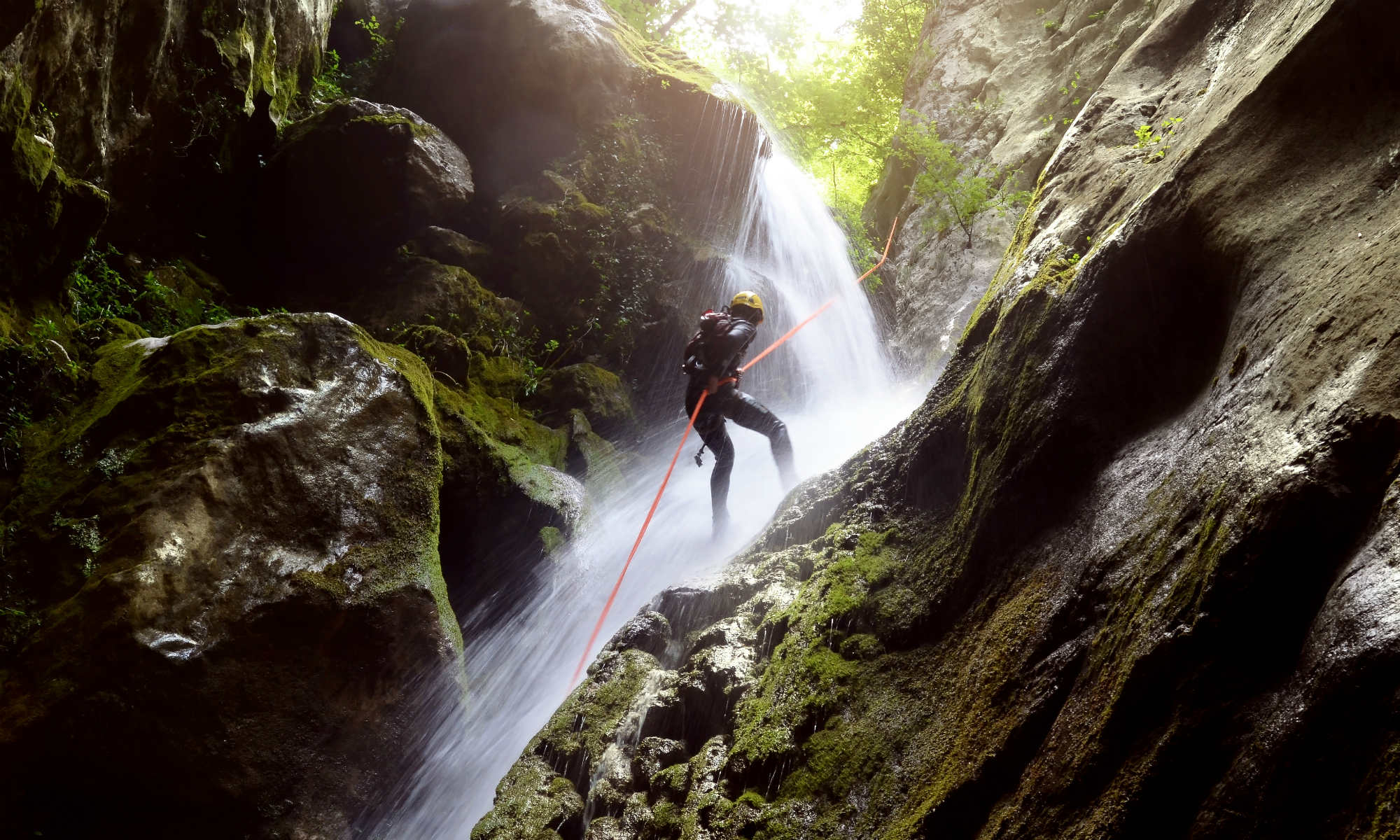
Standing at the Edge: My First Canyoning Experience
Standing at the edge of a narrow canyon in Queenstown, cold water rushing below, most first-time canyoners ask the same question: Is this safe? I remember that moment vividly—my heart racing, palms sweating, wondering if I'd made a mistake booking this adventure. But as I took that first rappel into the unknown, something shifted. The fear transformed into exhilaration, and by the time I emerged from the canyon hours later, I was already planning my next trip.
Over the past five years, I've canyoned across New Zealand's most spectacular locations, from the glowworm-lit caves of Waitomo to the rugged terrain of Fiordland. This guide is based on operator briefings, traveler reports, and safety guidelines from New Zealand adventure tourism providers.
These recommendations won't guarantee the perfect canyoning experience every time, but they have consistently helped me choose the right canyon for my skill level and expectations.
Top Canyoning Locations in New Zealand: A Decision Guide
Queenstown: The Adventure Capital
Queenstown is New Zealand's canyoning hub, offering diverse experiences for all skill levels. The Shotover and Arrow River canyons are particularly popular.
Decision Information:
- Best for: First-time canyoners and intermediate adventurers
- Physical level: Moderate to challenging
- Swimming required: Yes
- Typical duration: 3–4 hours
- Price range: NZD 180–250
- Season: Year-round (weather dependent)
My Experience: I've canyoned in Queenstown four times, and each trip offered something different. The guides here are exceptional—they balance safety with fun, and the canyon scenery is breathtaking. My tip: Book the morning tour if possible. The water is calmer, and you'll have the canyon mostly to yourself.
Waitomo: Glowworm Caves
Waitomo offers a unique canyoning experience that combines underground exploration with glowworm viewing. The Ruakuri Cave is particularly famous.
Decision Information:
- Best for: Nature lovers and photography enthusiasts
- Physical level: Moderate
- Swimming required: Yes (cold water)
- Typical duration: 4–5 hours
- Price range: NZD 200–280
- Season: Year-round
My Experience: The glowworm experience is unlike anything else—floating in darkness while thousands of tiny lights illuminate the cave ceiling. However, the water here is colder than other locations. I learned this the hard way on my first trip and now always wear an extra thermal layer under my wetsuit.
Fiordland: Spectacular Wilderness
Fiordland offers some of New Zealand's most remote and spectacular canyons. The Hollyford Valley and Milford Sound areas are particularly stunning.
Decision Information:
- Best for: Experienced canyoners seeking wilderness adventure
- Physical level: Challenging to advanced
- Swimming required: Yes
- Typical duration: 5–7 hours
- Price range: NZD 350–500
- Season: November to April (weather dependent)
My Experience: This is serious canyoning. The remoteness adds to the experience, but it also means you need to be prepared. On my trip, we encountered unexpected weather changes that turned a challenging day into an epic adventure. My tip: Check weather forecasts carefully and be prepared to reschedule if conditions aren't ideal.
Arthur's Pass: Technical Challenge
Arthur's Pass offers some of New Zealand's most technical canyoning experiences, best suited for experienced canyoners.
Decision Information:
- Best for: Advanced canyoners with technical skills
- Physical level: Advanced
- Swimming required: Varies by canyon
- Typical duration: 6–8 hours
- Price range: NZD 300–450
- Season: December to March
My Experience: I attempted Arthur's Pass on my third canyoning trip and quickly realized I was out of my depth. The technical requirements here are significant. My tip: Be honest about your skill level. The guides will assess you before the trip, and they may recommend a different canyon if you're not ready.
Waikato: Scenic Family-Friendly Options
The Waikato region offers several canyons that are perfect for families and beginners, with stunning scenery and manageable challenges.
Decision Information:
- Best for: Families and first-time canyoners
- Physical level: Easy to moderate
- Swimming required: Yes (optional in some sections)
- Typical duration: 2–3 hours
- Price range: NZD 120–180
- Season: Year-round
My Experience: I took my teenage children here for their first canyoning experience, and it was perfect. The guides were patient and encouraging, and the canyon offered just enough challenge to be exciting without being overwhelming. My tip: This is an excellent choice if you're unsure about canyoning and want to try it in a low-pressure environment.
Types of Canyoning Experiences: Choosing the Right One
Understanding the different types of canyoning experiences will help you choose the right one for your skill level and expectations:
Beginner Canyons
Suitable for first-time participants, with gentle rapids and small jumps. These canyons focus on building confidence and basic skills.
What to expect:
- Shorter rappels (5–10 meters)
- Small jumps (1–2 meters)
- Gentle water slides
- More frequent breaks
- Emphasis on safety instruction
Intermediate Canyons
More challenging, with larger jumps and longer rappels. These canyons require some previous experience or good fitness levels.
What to expect:
- Longer rappels (10–20 meters)
- Moderate jumps (2–4 meters)
- More technical terrain
- Faster-paced sections
- Less frequent breaks
Advanced Canyons
For experienced canyoners, with technical challenges and difficult terrain. These canyons require significant canyoning experience.
What to expect:
- Long rappels (20+ meters)
- Large jumps (4+ meters)
- Complex navigation
- Technical rope work
- Minimal support from guides
Family-Friendly Canyons
Designed for families with children, with gentle slopes and small jumps. These canyons prioritize safety and fun over technical challenges.
What to expect:
- Very short rappels (3–5 meters)
- Optional small jumps
- Gentle water slides
- Frequent stops for photos and snacks
- Extra guides for supervision
Who Should Avoid Canyoning in New Zealand
While canyoning is an incredible experience, it's not suitable for everyone. Consider avoiding canyoning if:
- Travelers with strong fear of heights: Canyoning involves rappelling and jumping from heights, which can be overwhelming for those with acrophobia.
- People with knee or shoulder injuries: The physical demands of canyoning, including swimming and climbing, can aggravate existing injuries.
- Non-swimmers: While some canyons have optional swimming sections, most require swimming ability. Check with operators about specific canyon requirements.
- Visitors during heavy rainfall seasons: Canyons can become dangerous during or after heavy rain. Always check weather conditions and be prepared to reschedule.
- Pregnant travelers: The physical demands and potential risks make canyoning unsuitable during pregnancy.
- People with serious medical conditions: Consult with your doctor before booking, especially if you have heart conditions, respiratory issues, or other serious health concerns.
What to Expect on Your Canyoning Adventure
A typical canyoning experience includes several key components:
Safety Briefing and Equipment Demonstration
Your adventure begins with a comprehensive safety briefing. The guides will explain proper techniques for rappelling, jumping, and swimming. They'll also demonstrate how to use all equipment, including wetsuits, harnesses, and helmets.
My tip: Pay close attention during this briefing. I've seen people struggle later because they didn't fully understand the techniques. Don't be afraid to ask questions—the guides expect them.
Hiking to the Canyon Entry Point
Most canyoning experiences begin with a hike to the canyon entry point. The length and difficulty of this hike varies by location.
My tip: Wear comfortable hiking shoes for the approach. You'll change into canyoning gear at the canyon entry point, but the hike can be challenging in itself.
The Canyoning Experience
Once in the canyon, you'll navigate through using a combination of techniques:
- Rappelling (abseiling): Descending vertical sections using ropes and harnesses
- Sliding: Sliding down natural water chutes
- Jumping: Jumping into pools from various heights
- Swimming: Swimming through canyon sections
- Climbing: Climbing over or around obstacles
My tip: Trust your guides. They've navigated these canyons countless times and know the safest routes. I've learned that following their instructions makes the experience both safer and more enjoyable.
Emerging from the Canyon
After completing the canyon, you'll typically hike back to the pickup point. This is a great time to reflect on your experience and share stories with fellow canyoners.
My tip: Bring a change of warm clothes for the hike out. Even in summer, you'll get cold after hours in the water.
Essential Gear and Preparation
Proper preparation is key to a safe and enjoyable canyoning experience:
What Operators Provide
Most reputable canyoning operators provide:
- Wetsuits (thick neoprene for warmth)
- Harnesses and helmets
- Ropes and technical equipment
- Waterproof bags for personal items
- Hot drinks and snacks (on longer trips)
What to Bring
You'll need to bring:
- Swimwear (to wear under wetsuit)
- Towel
- Change of warm clothes
- Waterproof camera (optional)
- Sunscreen and sunglasses
- Water bottle
My tip: For a comprehensive packing guide that includes adventure travel essentials, check out our ultimate packing list.
Physical Preparation
While you don't need to be an athlete, reasonable fitness helps:
- Cardiovascular fitness for swimming and hiking
- Upper body strength for climbing and pulling yourself up
- Core strength for balance and stability
- Flexibility for navigating tight spaces
My tip: In the weeks leading up to your trip, focus on swimming and hiking. These activities most closely mimic canyoning movements.
Choosing the Right Canyoning Operator
The quality of your canyoning experience depends largely on your operator:
Key Considerations
- Safety record: Research the operator's safety history and certifications
- Guide qualifications: Look for certified, experienced guides
- Group size: Smaller groups offer more personalized attention
- Equipment quality: Modern, well-maintained equipment is essential
- Reviews and recommendations: Read recent reviews from other travelers
My tip: Don't choose based solely on price. I've found that slightly more expensive operators often provide better equipment, smaller groups, and more experienced guides—all of which contribute to a safer, more enjoyable experience.
Travel Insurance for Canyoning
Canyoning is considered an adventure activity, and not all travel insurance policies cover it:
- Check if your policy specifically covers canyoning or adventure sports
- Look for policies that include medical evacuation
- Consider specialized adventure travel insurance
- Read the fine print carefully for exclusions
My tip: For guidance on choosing comprehensive travel insurance that covers adventure activities like canyoning, check out our travel insurance guide.
Frequently Asked Questions About Canyoning in New Zealand
Is canyoning in New Zealand safe for beginners?
Yes, canyoning can be safe for beginners when you choose appropriate canyons and reputable operators. Beginner-friendly canyons focus on building confidence with smaller jumps and shorter rappels. However, it's important to be honest about your fitness level and any concerns you have. The guides are there to ensure your safety and will adjust the experience based on your comfort level.
Do I need prior climbing experience?
No prior climbing experience is necessary for beginner and intermediate canyons. The guides will teach you all the techniques you need, including rappelling and basic climbing. However, reasonable fitness and comfort with heights are helpful. For advanced canyons, some prior experience is typically required.
What happens if the weather changes?
Weather is a critical factor in canyoning safety. Operators monitor conditions closely and will cancel or reschedule trips if weather becomes dangerous. This is more common in Fiordland and other remote areas. Always have a backup plan for your trip, and don't push operators to proceed in unsafe conditions—they have your safety as their top priority.
Can children join canyoning tours?
Yes, many operators offer family-friendly canyoning experiences suitable for children. These typically have age and height restrictions (usually 8+ years and minimum height requirements). The family-friendly canyons feature gentler slopes, smaller jumps, and more frequent breaks. Always check with the operator about age restrictions and suitability for your children.
What should I do if I'm afraid of heights?
It's normal to feel nervous about heights, especially on your first canyoning trip. Many people with mild fear of heights successfully complete canyoning experiences. The key is to communicate your fears to your guides—they're experienced at helping people work through anxiety. Start with beginner canyons that feature shorter rappels, and remember that you're securely harnessed and supported at all times.
How cold is the water?
Water temperatures in New Zealand canyons vary by location and season but are generally cold year-round. Most operators provide thick wetsuits (5mm or more) that provide significant warmth. In winter or in particularly cold canyons like Waitomo, you may want to wear additional thermal layers. The wetsuits are very effective, but expect to feel cold during water sections.
Can I bring my camera?
Many operators allow cameras, but they must be waterproof. GoPros and similar action cameras are popular choices. Some operators provide waterproof bags for cameras or offer photo services. Keep in mind that you'll be busy navigating the canyon, so don't expect to take photos continuously. I've found it's better to enjoy the experience and let the guides or a companion handle photography.
What if I can't complete the canyon?
It's rare, but occasionally someone cannot complete a canyon due to fatigue, injury, or overwhelming fear. Operators have emergency procedures for these situations. In most canyons, there are exit points, or guides can assist you out. However, some remote canyons like those in Fiordland have limited exit options, which is why it's important to choose a canyon appropriate for your fitness and experience level.
Final Thoughts: Why Canyoning in New Zealand is Worth It
After years of canyoning across New Zealand, I can confidently say it's one of the most rewarding adventure experiences you can have. The combination of stunning natural beauty, physical challenge, and the thrill of exploring hidden landscapes creates memories that last a lifetime.
Whether you're a first-time canyoner or an experienced adventurer, New Zealand offers canyoning experiences that will push your limits and reward you with incredible scenery and a profound sense of accomplishment. The key is to choose the right canyon for your skill level, prepare properly, and trust your guides.
Standing at the edge of that first canyon in Queenstown, I had no idea how canyoning would transform my approach to adventure travel. Now, every trip to New Zealand includes at least one canyoning adventure, and I'm always discovering new canyons and new challenges.
Author Bio
Jessica Lee is an adventure travel writer and outdoor enthusiast who has been canyoning across New Zealand for over five years. She's completed more than 30 canyoning trips across all skill levels and works closely with New Zealand adventure tourism operators to promote safe, responsible canyoning practices. When she's not exploring canyons, she's hiking New Zealand's Great Walks or planning her next adventure. For more adventure travel tips and destination guides, check out our adventure travel resources.