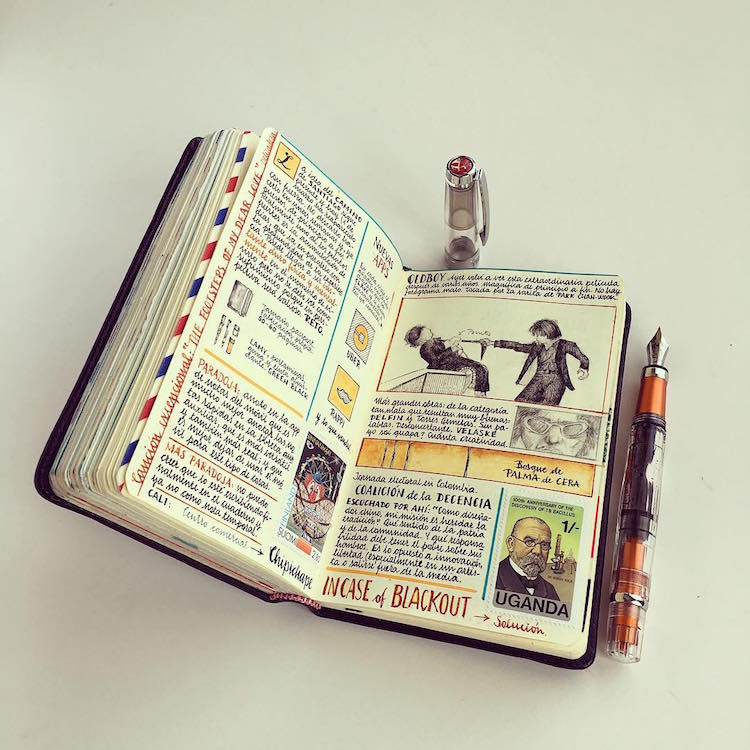
As an artist who has traveled to over 60 countries across 6 continents, my travel notebooks are more than just sketchbooks—they're my most prized possessions, my creative companions, and windows into the memories of places I've visited. Each page tells a story, captures a moment, and preserves the essence of a destination in a way that photographs never can.
People often ask me how I keep my travel notebooks, what I include in them, and how they evolve over time. In this article, I'll share a behind-the-scenes look at my travel journaling process, show you examples from my notebooks, and offer practical tips for creating your own meaningful travel journals.
My Philosophy: A travel notebook isn't just about documenting where you've been—it's about capturing how a place made you feel. It's a personal conversation between you and the world, a way to slow down and truly see the details that make each destination unique.
What's Inside My Travel Notebooks
My travel notebooks are a mix of sketches, written observations, collected ephemera, and personal reflections. Here's what you'll typically find in them:
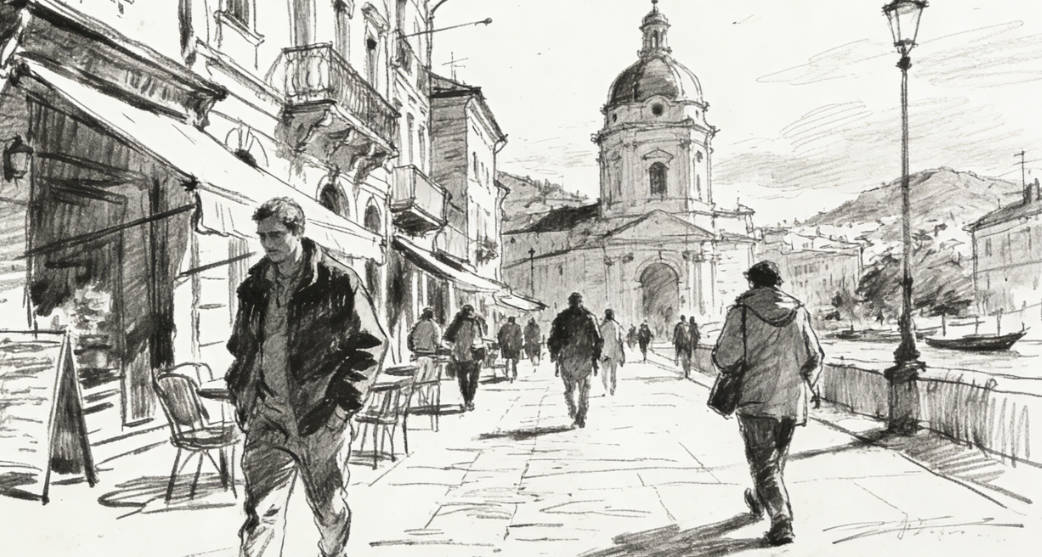
On-Site Sketches
Quick pencil or pen sketches done in the moment, capturing street scenes, architecture, people, and landscapes.
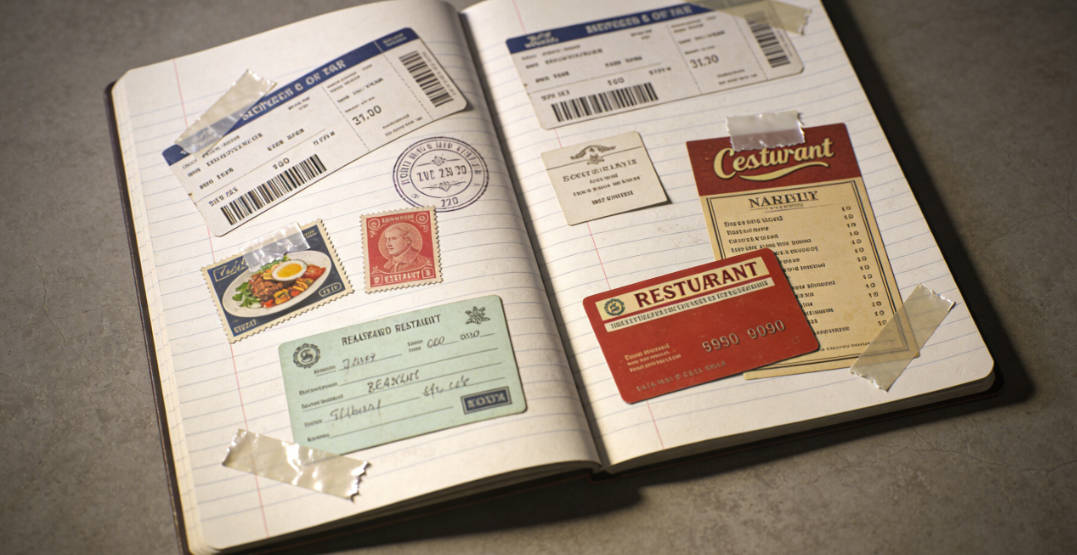
Collected Ephemera
Tickets, stamps, business cards, restaurant menus, and other small items glued or taped into the notebook.

Personal Reflections
Thoughts, feelings, and observations about the places I visit, the people I meet, and the experiences I have.
My Travel Journaling Process
Over the years, I've developed a personal process that works for me. Here's how I approach journaling while traveling:
1. Choosing the Right Notebook
I've tried dozens of notebooks over the years, and I've found that the best ones for travel have these qualities:
- Durable cover: Something that can withstand being stuffed in a backpack or day bag
- Good paper quality: Thick enough to handle different media without bleeding
- Portable size: Not too big to carry around all day
- Lay-flat binding: Makes it easier to sketch and write on the go
My Favorite Journaling Materials
- Notebooks: Moleskine Art Plus (for sketching), Leuchtturm1917 (for writing)
- Pens: Pilot G2 0.38 (for writing), Sakura Pigma Micron (for drawing)
- Pencils: Staedtler Mars Lumograph (for sketching)
- Watercolors: Winsor & Newton Cotman Pocket Box
- Glue: Tombow Mono Multi Liquid Glue (for ephemera)
- Other: Small ruler, eraser, pencil sharpener, washi tape
2. Making Time for Journaling
One of the biggest challenges of travel journaling is finding the time. Here's how I incorporate it into my travel routine:
- Morning pages: I often start my day with 10-15 minutes of writing about the previous day's experiences
- On-site sketching: I'll spend 20-30 minutes sketching in a café, park, or scenic spot
- Evening reflections: Before bed, I'll add any final notes, glue in ephemera, and plan for the next day
My Insider Tip: Don't feel like you have to journal every day. Some days are just too busy with activities. Instead, aim for quality over quantity—even a single sketch or a few sentences can capture the essence of a place.
3. Capturing the Essence of a Place
When I journal, I focus on capturing what makes a place unique rather than trying to document everything. Here are some things I look for:
- Sensory details: Sounds, smells, tastes, textures
- Light and shadow: How light changes throughout the day in a particular place
- Local customs: Small everyday rituals that locals take for granted
- Unexpected moments: Serendipitous encounters or surprising discoveries
- Personal connections: Conversations with locals or other travelers
Examples From My Travel Notebooks
Paris, France
My Paris notebook is filled with café sketches, wine labels, and observations about the city's rhythm. One page has a sketch of a street musician playing accordion under the Eiffel Tower, with notes about how the sound carried across the Champ de Mars.
I also have a page dedicated to the different types of bread I tried, with little sketches of baguettes, croissants, and pain au chocolat, along with notes about which bakeries were best.
Tokyo, Japan
My Tokyo notebook is a study in contrast—sketches of neon-lit streets next to traditional temples, notes about the etiquette of tea ceremonies, and collages of train tickets from the extensive subway system.
One of my favorite pages is a detailed sketch of a sushi counter, with the chef's hands in motion as he prepared each piece. I added small watercolor touches to capture the vibrant colors of the fish.
Marrakech, Morocco
My Marrakech notebook is perhaps my most colorful, with watercolor sketches of the medina's winding streets, patterns from traditional textiles, and pressed rose petals from the Jardin Majorelle.
I have a whole section dedicated to the sounds of the medina—notes about the calls to prayer, the cries of street vendors, and the sound of feet on cobblestone streets. I even pasted a small piece of carpet from a souk onto one page.
Tips for Starting Your Own Travel Notebook
Whether you're an experienced artist or just starting out, anyone can create a meaningful travel notebook. Here are my top tips:
For Beginners
- Start simple: You don't need expensive materials—just a notebook and a pen
- Focus on writing: If sketching feels intimidating, start with just words
- Collect ephemera: Tickets, maps, and business cards can add interest without drawing
- Be consistent: Try to journal at the same time each day to build a habit
- Don't worry about perfection: Your notebook doesn't have to be a work of art—it just has to be yours
For Experienced Journalers
- Experiment with different media: Try watercolors, collage, or even photography
- Create themes: Focus on specific elements like doors, windows, or street signs
- Include local language: Write down phrases or words you learn, along with their meanings
- Add interactive elements: Include fold-out pages, pockets for keepsakes, or pop-ups
- Share your work: Consider starting a blog or Instagram account to share your journal pages
My Most Important Tip: Let your notebook evolve naturally. Don't force a specific style or format. Your travel notebook should reflect your personality and the way you experience the world.
How Travel Journaling Enhances Your Travel Experience
Keeping a travel notebook isn't just about creating a memento—it actually changes the way you travel. Here are some of the benefits I've experienced:
- Slower travel: Journaling forces you to slow down and really observe your surroundings
- Deeper connections: It encourages you to interact more with locals and your environment
- Better memory: Writing and drawing helps you remember details you might otherwise forget
- Creative growth: It keeps your artistic skills sharp and helps you see the world in new ways
- Emotional processing: It's a way to reflect on your experiences and how they affect you
Preserving Your Travel Notebooks
Once your travel is over, your notebook becomes a treasure trove of memories. Here's how I preserve mine:
- Store them properly: Keep them in a cool, dry place away from direct sunlight
- Digitize important pages: Take photos or scans of your favorite pages
- Create an index: I keep a small notebook with an index of all my travel notebooks
- Revisit them regularly: Looking back at old notebooks is a wonderful way to relive your travels
- Pass them on: I plan to leave my notebooks to my children as a legacy of my travels
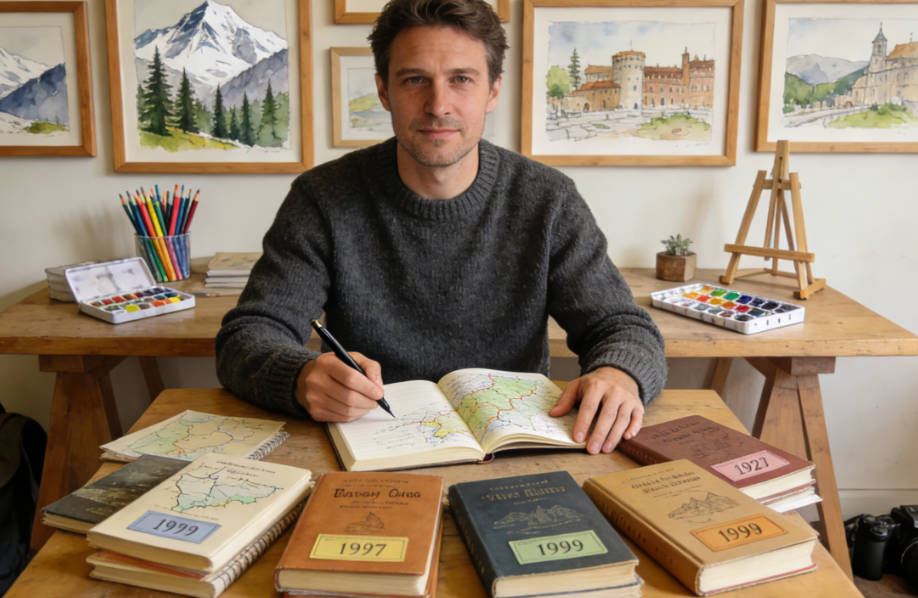
Travel & Art Credentials
- 60+ Countries Visited
- 20+ Years Travel Experience
- Travel Journaling Workshop Instructor
- Exhibited Artist
- Last Trip: Kyoto, Japan (2025)
Disclaimer: This article is for informational purposes only. The techniques and materials mentioned are based on my personal experience and preferences. Your travel journaling practice may evolve differently, and that's perfectly fine. The most important thing is to find a method that works for you.
Last Updated: February 3, 2026