My Antarctic Adventure: A Journey to the End of the Earth
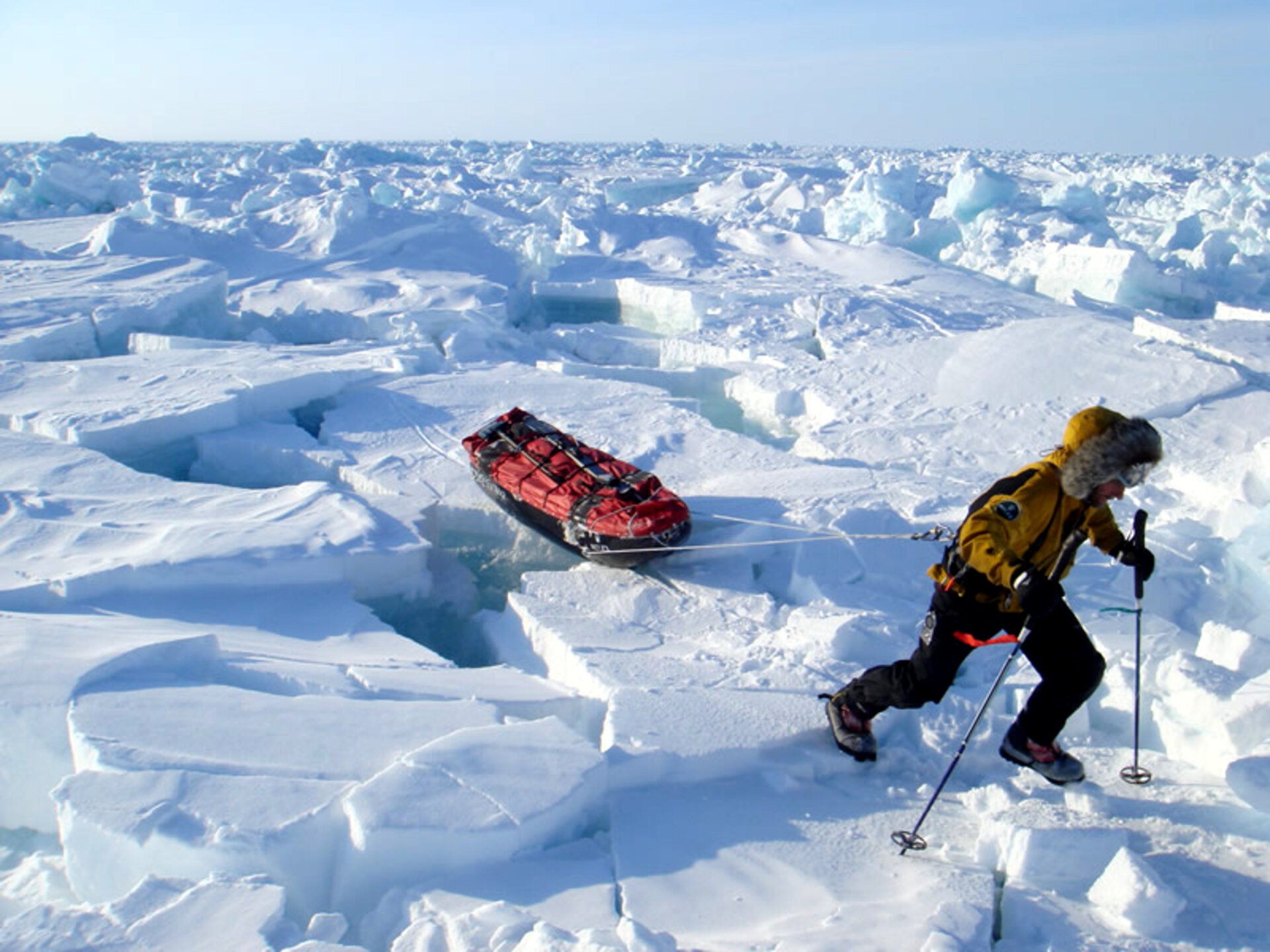
I'll never forget the moment I first laid eyes on Antarctica. After three days crossing the Drake Passage, where the ship rocked so violently I could barely stand, the fog lifted to reveal a landscape unlike anything I'd ever seen. Towering icebergs, some as large as skyscrapers, floated in a sea of deep blue, while snow-covered mountains stretched endlessly into the distance. It was humbling, awe-inspiring, and completely worth every moment of seasickness.
These recommendations won't guarantee the perfect Antarctic experience every time, but they have consistently provided me with incredible memories across multiple expeditions.
Choosing the Right Expedition for You
After three trips to Antarctica, I've learned that the type of expedition you choose can completely change your experience:
Cruise Expeditions: My Go-To for First-Timers
My first trip was on a small expedition vessel with just 80 passengers. This allowed for more frequent landings and a more intimate experience with the environment.
My tip: Choose a ship with a 1:1 guide-to-passenger ratio. This ensures you'll get personalized attention and more opportunities for shore landings.
Flight and Cruise: Bypassing the Drake Passage
For my second trip, I opted for a flight from Punta Arenas, Chile to King George Island, bypassing the notorious Drake Passage entirely. This was a game-changer for someone prone to seasickness.
My tip: While more expensive, this option is worth it if you're concerned about rough seas. I've met many travelers who cut their first trip short due to severe seasickness.
Research Expeditions: A Deeper Connection
My most recent trip was as part of a citizen science expedition, where I helped collect data on penguin populations. This added a meaningful dimension to the experience.
My tip: Look for expeditions that offer volunteer opportunities. Not only do you contribute to important research, but you also gain unique access to areas that regular tourists might not see.
Surviving and Thriving in Antarctica
Antarctica is unlike any other destination on Earth, and being prepared is key to enjoying your experience:
The Drake Passage: My Love-Hate Relationship
Crossing the Drake Passage is often cited as the most challenging part of any Antarctic expedition. On my first trip, I spent two days in bed, too sick to leave my cabin.
My tips:
- Start taking motion sickness medication 24 hours before departure
- Stay hydrated and eat light meals
- Spend as much time as possible on deck, looking at the horizon
- Pack ginger candies and seasickness bands
On my third trip, I followed all these tips and barely felt a thing, even when we encountered 15-foot waves.
Dressing for Success in Extreme Cold
Antarctica's weather can be brutal, but with the right gear, you can stay comfortable even in sub-zero temperatures.
My gear essentials based on experience:
- Base layers: Merino wool is worth every penny. I made the mistake of packing synthetic layers on my first trip and spent the entire time damp with sweat.
- Mid layers: A lightweight down jacket that packs small but provides exceptional warmth.
- Outer layers: A waterproof, windproof parka and pants with sealed seams. I've seen tourists cut their landings short because their gear wasn't up to the task.
- Footwear: Insulated, waterproof boots with good traction. The snow and ice can be incredibly slippery.
- Accessories: Multiple pairs of gloves (thin liner gloves and thick waterproof ones), a balaclava, neck gaiter, and sunglasses with UV protection.
Wildlife Encounters: Respectful Observation
One of the highlights of any Antarctic trip is the wildlife, but it's important to remember that we're visitors in their home.
My experience:
On my first trip, I was so excited to see penguins that I got too close, causing a colony to become agitated. A guide gently reminded me to maintain the recommended 15-foot distance.
Now, I bring binoculars and a zoom lens for my camera, allowing me to get great views without disturbing the wildlife. Some of my most memorable moments have been watching penguin chicks take their first steps or seeing a humpback whale breach just meters from our Zodiac.
Making the Most of Your Antarctic Experience
Over multiple trips, I've learned that the little things can make a big difference in your Antarctic adventure:
Photography Tips from Someone Who's Been There
Antarctica is a photographer's dream, but the conditions can be challenging:
- Bring extra batteries and memory cards (the cold drains batteries quickly)
- Use a lens hood to prevent condensation
- Pack microfiber cloths to wipe frost from your lens
- Consider a waterproof camera bag
- Don't forget to put your camera down occasionally and just experience the moment
Staying Healthy in Extreme Conditions
The combination of cold weather, dry air, and close quarters on a ship can take a toll on your health.
My tips:
- Stay hydrated (I drink at least 3 liters of water a day)
- Use lip balm and moisturizer regularly
- Get plenty of rest (the days are long, but it's easy to overexert yourself)
- Wash your hands frequently (germs spread quickly in close quarters)
- Consider bringing immune-boosting supplements
Choosing the Right Time to Go
While the Antarctic summer (November to March) is the only time most tourists visit, the experience varies depending on when you go:
- November-December: Early summer, smaller crowds, penguin breeding season
- January-February: Peak season, milder temperatures, more accessible areas
- March: End of summer, fewer crowds, beautiful sunsets, penguin chicks fledging
My favorite time to visit is late February to early March. The weather is still relatively mild, but the crowds have thinned, and you can see penguin chicks starting to explore on their own.
Beyond the Tourist Trails: Hidden Gems
After multiple trips, I've discovered some lesser-known areas that offer incredible experiences:
The Falkland Islands: A Perfect Prequel
Many Antarctic expeditions include a stop in the Falkland Islands, and it's well worth the time. I spent a day hiking on Saunders Island, where I encountered thousands of penguins, seals, and even a colony of albatrosses.
South Georgia: The Serengeti of the South
South Georgia Island is home to some of the largest concentrations of wildlife on the planet. I'll never forget the sight of hundreds of thousands of king penguins packed onto the beaches, with their chicks huddling together in crèches.
Planning Your Antarctic Adventure
Planning an Antarctic expedition requires more preparation than most trips, but the rewards are unparalleled:
Budgeting for Your Trip
Antarctic expeditions aren't cheap, but there are ways to make them more affordable:
- Book well in advance (12-18 months) for the best prices
- Consider shoulder season (November or March) for lower rates
- Look for last-minute deals, but be flexible with your dates
- Factor in additional costs like flights to South America, travel insurance, and gear
Travel Insurance: Non-Negotiable
For a comprehensive guide on choosing the right travel insurance for adventure trips like Antarctica, check out our travel insurance guide.
My tip: Make sure your policy includes medical evacuation from remote areas. This is especially important in Antarctica, where medical facilities are virtually nonexistent.
Packing Smart for the Polar Regions
For a complete packing guide that includes specialized gear for cold-weather destinations, check out our ultimate packing list.
My tip: Pack in layers and choose gear that's both warm and lightweight. Space on expedition ships is limited, so every item counts.
The Transformative Power of Antarctica
Every time I return from Antarctica, I feel changed. There's something about being in such a pristine, untouched environment that puts life into perspective. The silence is deafening, the beauty is overwhelming, and the wildlife is a reminder of the fragility of our planet.
Whether you're a seasoned adventurer or someone looking for the trip of a lifetime, Antarctica has something to offer. It's not just a destination—it's an experience that will stay with you forever.
Author Bio
Lisa Anderson is a polar expedition guide and environmental scientist with over 15 years of experience working in Antarctica. She's led more than 20 expeditions to the continent and has contributed to research on climate change and penguin populations. When she's not in Antarctica, she leads adventure trips to other remote destinations around the world. For more information on planning your own adventure travel experiences, check out our adventure travel tips.