Introduction to Antarctica: The Last Great Wilderness
Antarctica is the last great wilderness on Earth, a continent of pristine beauty, extreme conditions, and scientific wonder. This frozen paradise, covering 14 million square kilometers, is home to some of the most spectacular landscapes and diverse wildlife on the planet. Visiting Antarctica is not just a journey to a destination - it's an expedition to the edge of human experience.
The Antarctic Peninsula
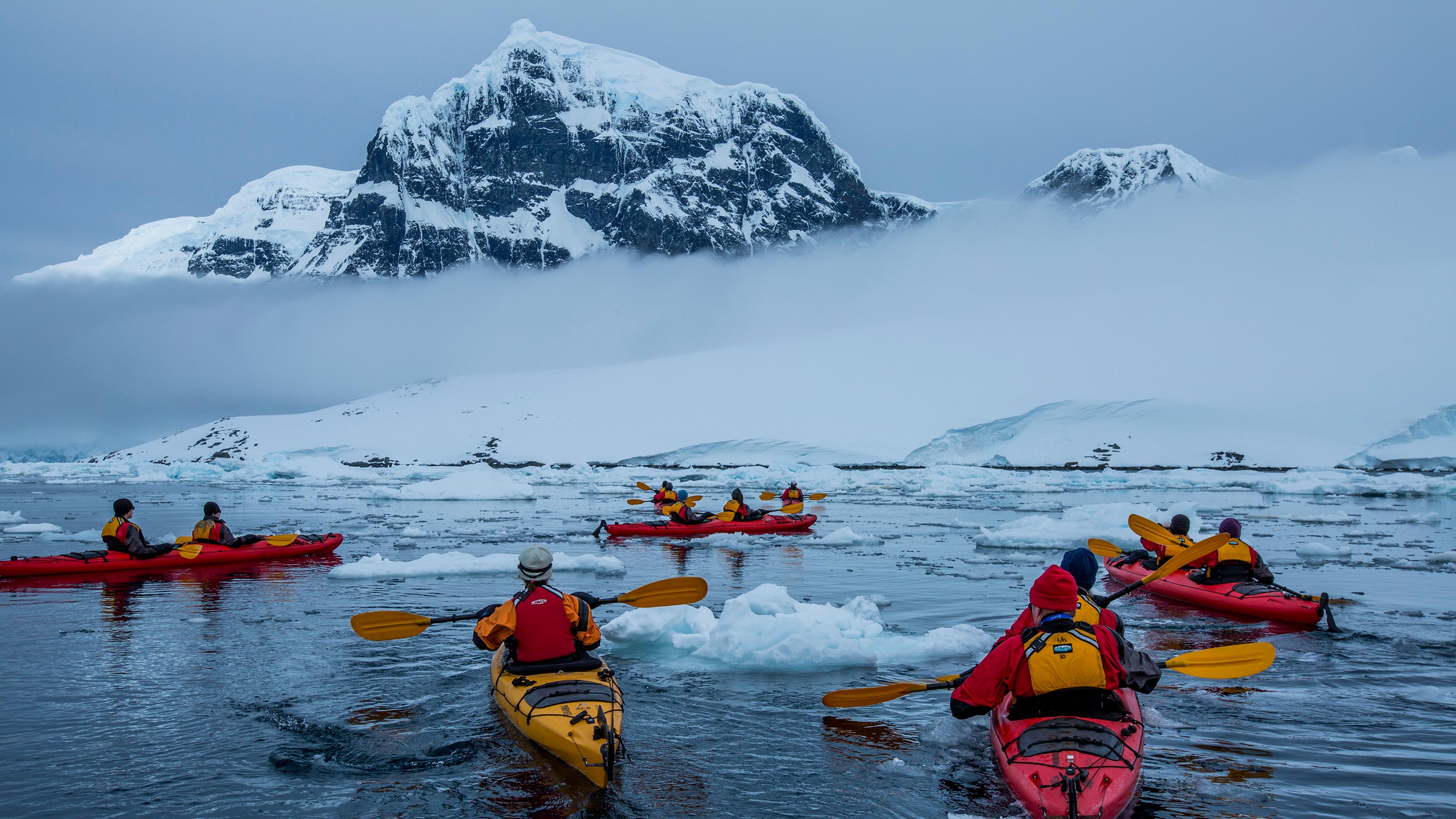
The Antarctic Peninsula is the most accessible part of Antarctica and the primary destination for most expeditions. This finger of land extends toward South America, creating the Drake Passage and offering visitors their first glimpse of the Antarctic continent. The peninsula is characterized by towering ice cliffs, dramatic glaciers, and numerous islands teeming with wildlife. Landing sites like Paradise Bay and Deception Island provide opportunities to set foot on Antarctic soil and witness the continent's raw beauty up close.
Penguin Colonies
One of the most magical experiences in Antarctica is encountering penguin colonies. Species like Adélie, Gentoo, and Chinstrap penguins breed on the Antarctic Peninsula in enormous numbers. Watching these remarkable birds navigate their icy environment, care for their young, and interact with each other provides insight into their complex social behaviors. The sound of thousands of penguins calling creates an unforgettable soundscape that captures the essence of Antarctic wildlife.
Whale Watching
Antarctic waters are rich with marine life, including several species of whales. Humpback whales can often be seen feeding in the nutrient-rich waters around the peninsula, while Minke and Southern Right whales are also common visitors. Orcas, or killer whales, are apex predators in Antarctic waters, hunting seals and other marine mammals. The sight of a whale breaching or the sound of their haunting songs creates moments of profound connection with the natural world.
Scientific Research Stations
Antarctica is a hub of scientific research, with numerous international research stations scattered across the continent. These facilities study everything from climate change and ice core analysis to astronomy and marine biology. Some expedition itineraries include visits to research stations, offering visitors a glimpse into the challenging work of Antarctic scientists and the important discoveries being made in this remote location.
Icebergs and Glaciers
The Antarctic landscape is dominated by ice - from massive tabular icebergs that have broken from ice shelves to towering glaciers that flow from the continent's interior to the sea. The contrast between the pristine white ice and the deep blue of Antarctic waters creates some of the most photogenic scenes on Earth. Sunrise and sunset on the Antarctic Peninsula cast the ice in golden and pink hues, creating a magical atmosphere that seems almost otherworldly.
Extreme Conditions
Antarctica presents extreme conditions that challenge even the most experienced travelers. Weather can change rapidly, with winds reaching hurricane force and temperatures dropping well below freezing. Visibility can be limited by fog and snow, and navigation requires skilled expedition leaders. These challenging conditions are part of what makes Antarctic expeditions so rewarding - they test your limits and provide a true sense of adventure.
Environmental Protection
Antarctica is protected by the Antarctic Treaty System, which designates the continent as a natural reserve devoted to peace and science. All visitors must follow strict environmental guidelines to protect this pristine ecosystem. These include regulations on waste disposal, wildlife interaction, and biosecurity measures to prevent the introduction of non-native species. The protection of Antarctica is not just about preserving a destination - it's about maintaining a critical part of Earth's climate system.
The Impact of Climate Change
Antarctica is at the forefront of climate change research, with ice sheet dynamics and sea level rise being closely monitored by scientists worldwide. Visiting Antarctica provides a firsthand view of these changes and helps visitors understand the urgent need for climate action. The melting of ice shelves and changes in penguin populations serve as powerful reminders of our planet's changing climate.
Conclusion
A journey to Antarctica is more than a travel experience - it's an expedition to the last great wilderness on Earth. The continent's pristine beauty, incredible wildlife, and scientific significance create memories that will last a lifetime. Antarctica teaches us about resilience, adaptation, and the delicate balance of our planet's ecosystems. As you stand on the ice and witness the raw power and beauty of this extraordinary continent, you'll understand why Antarctica continues to captivate explorers and scientists alike, and why its protection is vital for future generations.